The capital of Qatar, Doha, is a city that surprises with its contrasts. In just a few decades, it has gone from being a small fishing port dedicated to pearl diving to becoming an ultramodern metropolis, full of skyscrapers, cutting-edge museums, and cultural spaces that look to the future without renouncing its traditions.
For a traveler in a wheelchair or mobility scooter, Doha is much more accessible than one might think. Its rapid urban development has taken into account international accessibility standards, and many of its buildings and attractions are modern, with ramps, elevators, and wide spaces. Although there are challenges (hot climate and some traditional areas with narrow streets), the experience can be very comfortable if well planned.
A brief history of Doha
The history of Doha is closely tied to the sea. Until the mid-20th century, the main wealth of the region was pearl fishing. Thousands of Qataris worked under very harsh conditions, diving with hardly any equipment. With the arrival of Japanese cultured pearls, this economy collapsed, and Qatar lived through years of great poverty.
Everything changed with the discovery of oil in the 1940s and, later, the enormous reserves of natural gas. In just a few decades, the country was radically transformed: from fishing villages to one of the richest nations on the planet. Doha became the symbol of this accelerated modernization.
A curious anecdote: in 1971 Qatar obtained its independence from the United Kingdom. Since then, Doha has grown nonstop, and today it is an international reference not only for energy, but also for sports, art, and diplomacy. In 2022 it hosted the FIFA World Cup, which left a legacy of infrastructure and urban improvements that also benefited accessibility.
Accessibility in Doha
Doha is a modern city and therefore offers good conditions for visitors with reduced mobility:
Hamad International Airport: One of the most modern in the world, with adapted services, wheelchairs available, and assistance staff.
Public transport: The Doha metro, inaugurated in 2019, is fully accessible with elevators, ramps, and low-floor trains. Modern buses also have ramps.
Streets and sidewalks: In the newer areas, such as West Bay or Lusail, sidewalks are wide and with ramps. In older areas, such as the souq, there may be unevenness.
Museums and attractions: Most museums, shopping centers, and public buildings comply with high accessibility standards.
Climate: Temperatures can exceed 40 degrees in summer. For a traveler in a scooter or electric wheelchair, it is best to visit from November to March, when the climate is milder.
What to see and do in Doha
1. Doha Corniche
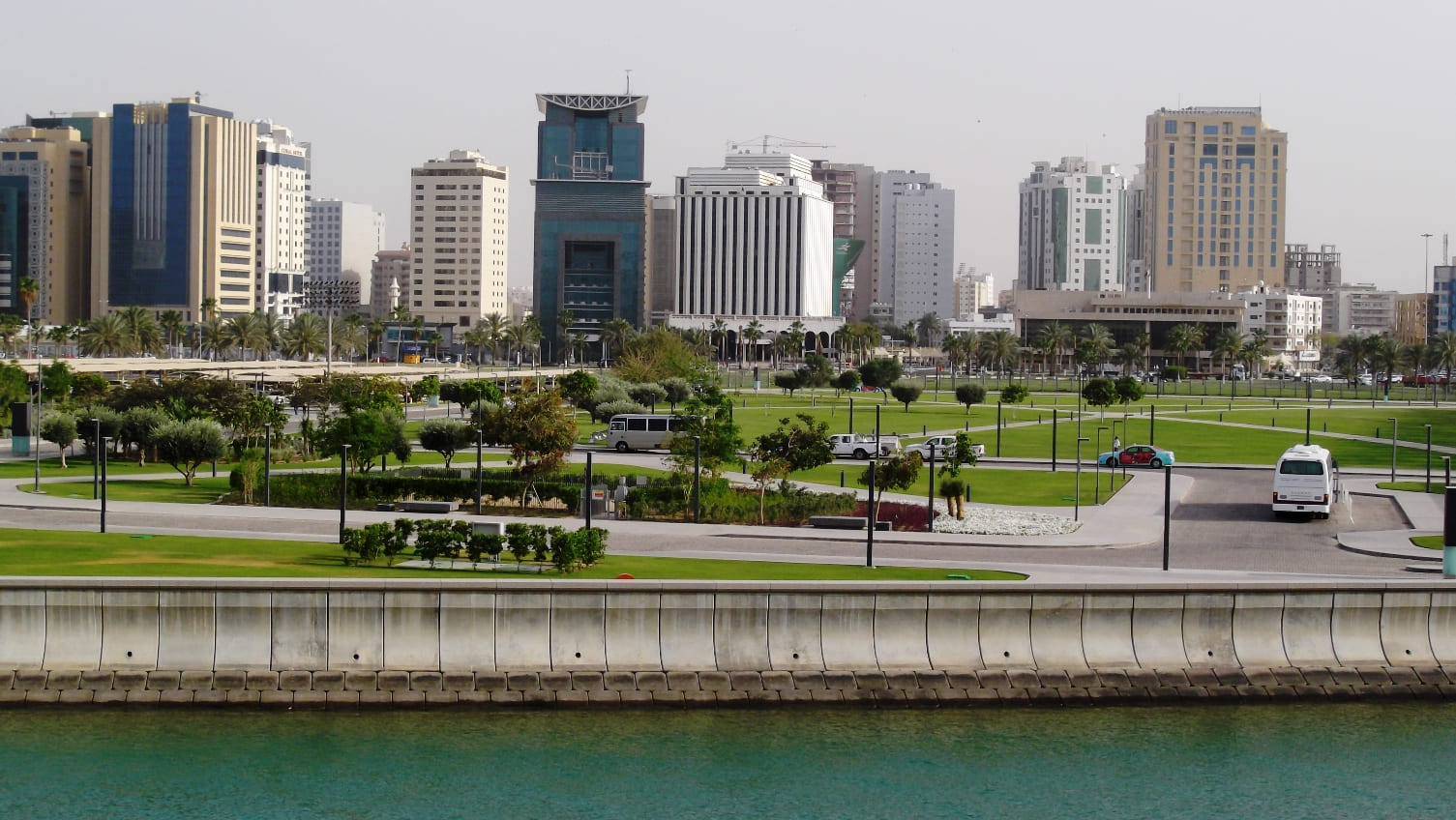
The Corniche is a seafront promenade of about 7 km that borders Doha Bay. It is completely flat and perfect for touring by scooter or wheelchair. From here you get spectacular views of the West Bay skyline and can enjoy the sea breeze.
2. Museum of Islamic Art (MIA)
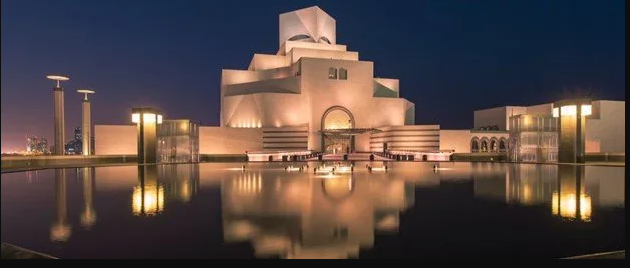
Designed by architect Ieoh Ming Pei, it is one of the most important museums in the world in its field. The building is completely accessible and has elevators and wide spaces. Its collections include ceramics, textiles, and manuscripts spanning more than 1,400 years of history.
3. Msheireb Downtown Doha
It is an innovative urban project that has transformed the heart of the city into a modern and sustainable district. All its streets are accessible and it is full of restaurants, cafés, and galleries. Here you will find the Msheireb Museums, which tell the history of the country from the time of slavery to modernization.
4. Souq Waqif
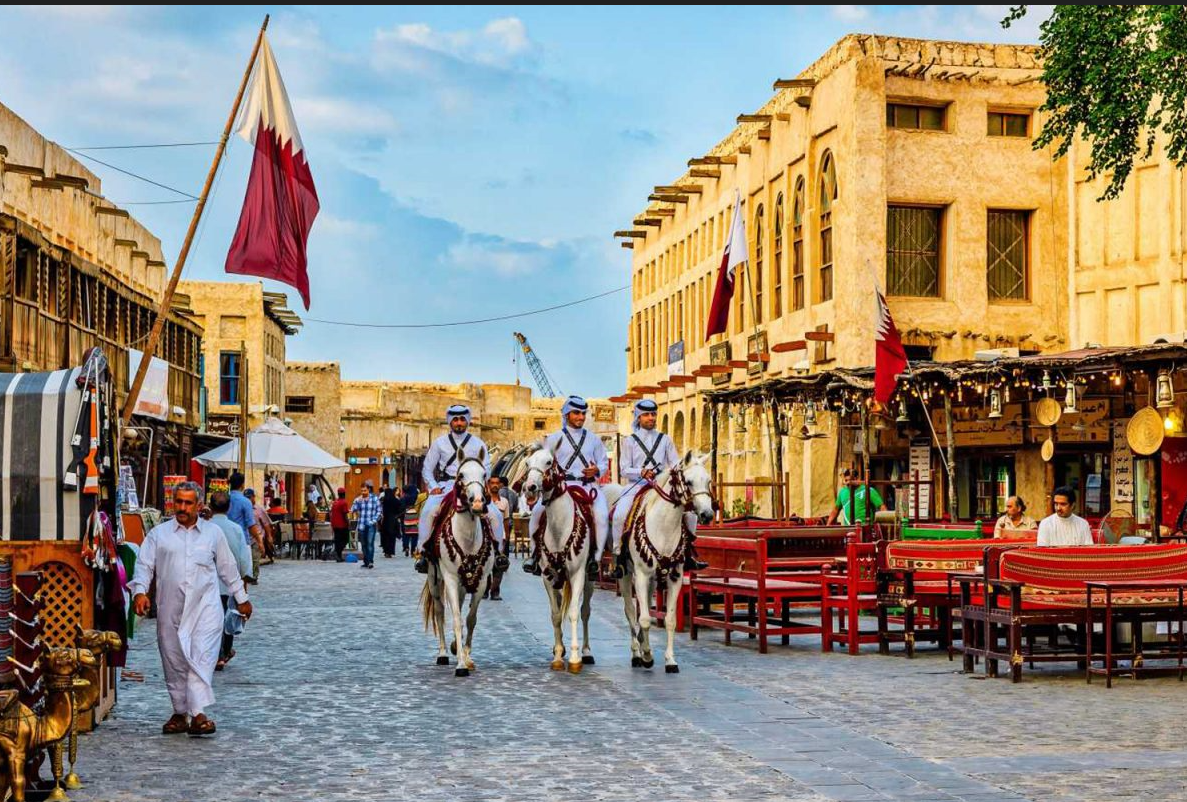
The traditional souq of Doha is a vibrant place full of shops selling spices, perfumes, fabrics, and handicrafts. Although some streets are narrow, there are adapted accesses and ramps at most entrances. Walking through this market is an immersion into local culture.
5. Katara Cultural Village
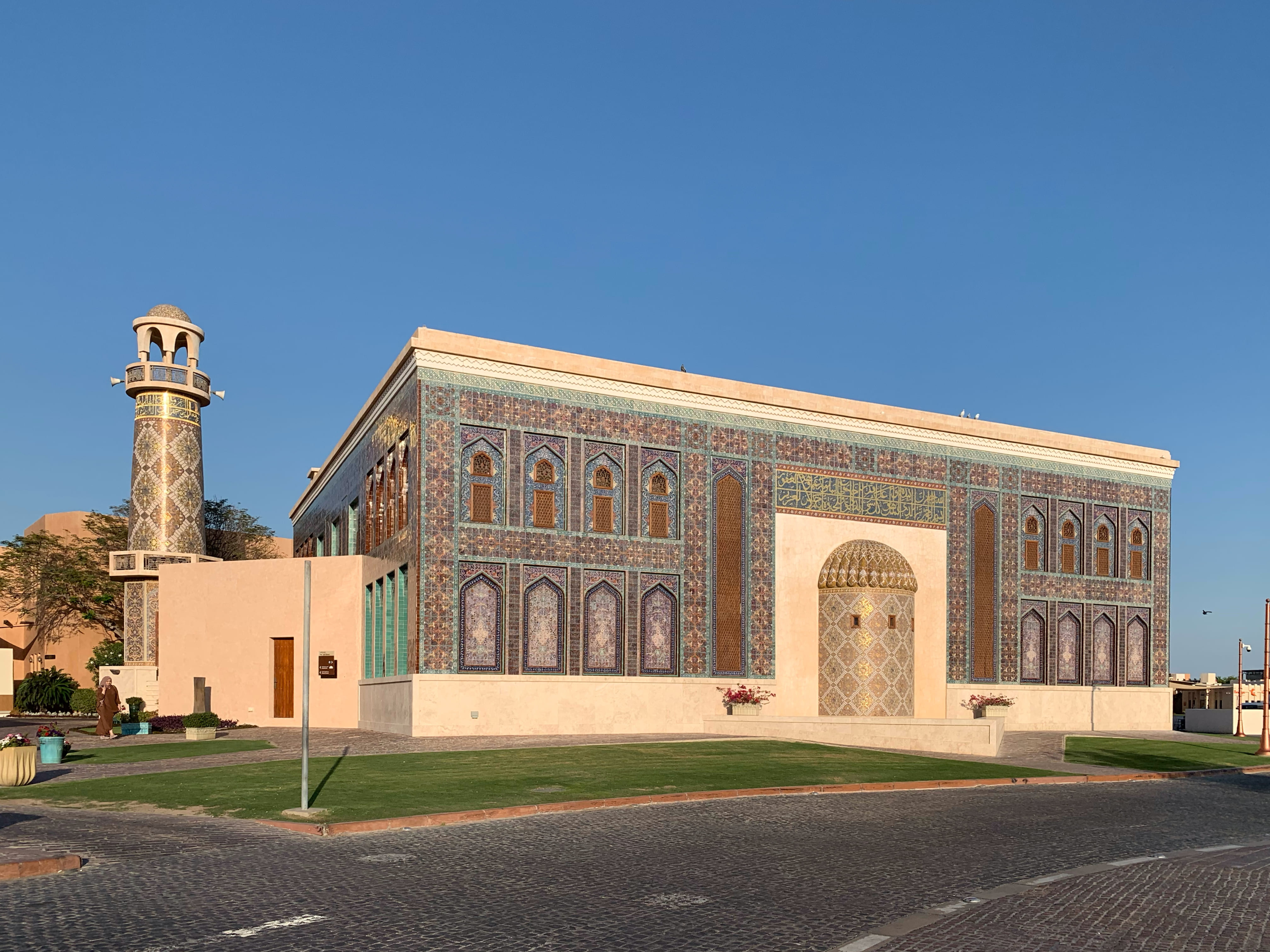
A space dedicated to the arts, with theaters, galleries, and restaurants facing the sea. It is totally accessible and an ideal place to attend a concert, an exhibition, or simply stroll along its waterfront.
6. The Pearl-Qatar
An artificial island shaped like a pearl necklace, full of marinas, luxury residences, and shops. The streets are wide and accessible, and it is very comfortable to move around by scooter.
7. West Bay and its skyscrapers
Doha’s financial district is an architectural spectacle. Its skyscrapers have futuristic designs, and many of them are illuminated at night creating an impressive skyline. It can be easily toured along its adapted avenues.
8. World Cup 2022 stadiums
Some of the stadiums built for the FIFA World Cup can be visited on organized tours. All were designed with accessibility criteria.
Unique experiences
Dhow cruise: Traditional wooden boats offer tours of the bay. Some operators have adapted access or help people with reduced mobility to board.
Desert safari: Although 4x4 tours are not always accessible, there are agencies that offer alternatives so that travelers in wheelchairs can enjoy the Qatari desert and the famous “inland sea.”
Shopping malls: Doha is famous for its huge malls, such as Villaggio or Mall of Qatar. They are fully accessible and offer entertainment beyond shopping.
Practical tips
Visit in winter: From November to March, the weather is more pleasant for touring the city in a scooter.
Hydration: Always carry water, especially on hot days.
Cultural respect: Qatar is a Muslim country; it is advisable to dress modestly in public places and take into account local rules.
Book in advance: Some adapted transport services must be reserved ahead of time.
Assistance in airports and hotels: Requesting support in advance ensures a smoother experience.
Curious anecdote
In the 1950s, before the oil boom, Doha was just a village with mud houses. Today, however, it hosts international events such as the United Nations Climate Change Conference (COP18 in 2012) and the 2022 World Cup. This contrast between humble past and globalized present is part of its identity.
Conclusion
Doha is a city that combines tradition and modernity, desert and sea, Islamic culture and futuristic architecture. For travelers in a wheelchair or mobility scooter, it offers modern infrastructure, adapted transport, and attractions designed for everyone.
From touring the Corniche at sunset to getting lost in the alleys of Souq Waqif, from admiring masterpieces at the Museum of Islamic Art to contemplating the illuminated skyscrapers of West Bay, Doha surprises and captivates. Its hospitality, safety, and growing accessibility make it a perfect destination for those seeking a different experience in the Middle East.
With the aim of offering the highest level of service to its visitors, including people with reduced mobility, Doha provides a network of strategically located tourist information offices across the city. These offices are designed to deliver personalized guidance, detailed maps, and the most up-to-date information on cultural events, transportation, accessible routes, and inclusive services.
Each office is equipped to meet the needs of travelers requiring additional support, ensuring a comfortable, safe, and enriching stay.
Here is a complete list of the main tourist information offices in Doha:
1. Central Tourist Information Office – Corniche
Address: Doha Corniche, Al Corniche Street, Doha, Qatar
Phone: (+974) 4442 7500
Email: [email protected]
Located along the famous Corniche waterfront promenade, this office is the primary reference point for visitors. It provides comprehensive information on accessible cultural landmarks, hotels, restaurants, and public services. The building is fully accessible with step-free entrances, tactile signage, and staff trained to assist people with reduced mobility and sensory disabilities.
2. Souq Waqif Tourist Office
Address: Souq Waqif, Al Souq Street, Doha, Qatar
Phone: (+974) 4442 7501
Email: [email protected]
Situated in the heart of the traditional market, this office specializes in guiding visitors who want to explore one of Doha’s most iconic attractions. It offers advice on accessible routes within the Souq, nearby cultural venues, and dining establishments. Facilities include low counters for wheelchair users, adapted restrooms, and hearing loop systems for visitors with hearing impairments.
3. West Bay Tourist Office
Address: West Bay Business District, Doha, Qatar
Phone: (+974) 4442 7502
Email: [email protected]
Located in the modern business district, this office caters especially to visitors staying in the area’s luxury hotels or attending international events. It provides detailed information about accessible attractions, shopping malls, and conference venues. The office features automatic doors, gently sloping ramps, and adapted seating areas.
4. Katara Cultural Village Tourist Office
Address: Katara Cultural Village, Doha, Qatar
Phone: (+974) 4442 7503
Email: [email protected]
Positioned within Katara, the city’s cultural hub, this office assists visitors eager to discover Doha’s artistic and cultural offerings. Although the village includes open-air spaces with varied terrain, staff provide advice on the most accessible paths, elevator locations, and adapted transport options. Maps in braille and large-print materials are also available.
5. The Pearl–Qatar Tourist Office
Address: Porto Arabia, The Pearl–Qatar, Doha, Qatar
Phone: (+974) 4442 7504
Email: [email protected]
Located in the upscale artificial island development, this office provides information about accessible leisure activities, dining, and retail options. The Pearl has been designed with accessibility in mind, offering step-free promenades, accessible marinas, and adapted facilities. The office also updates visitors on sea conditions and transport links to and from the island.
Tourist Passes for Visitors
Doha does not currently have an exclusive local tourist card. However, visitors can benefit from regional and city-wide passes that combine access to public transport and cultural attractions, many of which include adapted facilities for people with reduced mobility.
Discover Qatar Pass
Includes discounts on tours, desert safaris, dhow cruises, and selected attractions in Doha. Options are available for 1, 3, or 7 days, with prices ranging from QAR 100 to QAR 350. Many of the experiences offer adapted transport and support for accessible participation.
Doha Bus Hop-On Hop-Off Tour
A panoramic bus service with stops at the city’s main points of interest, including Souq Waqif, Katara, The Pearl, and the Museum of Islamic Art. A one-day ticket costs approximately QAR 180. The lower deck of the buses is fully wheelchair accessible.
Commitment to Accessibility
All of Doha’s tourist information offices operate under the same principle: ensuring equal access to information, services, and facilities for all visitors. The city is firmly committed to inclusive tourism, ensuring that each office is staffed with professionals specialized in accessibility and multilingual communication.
From the moment of arrival, travelers with reduced mobility can rely on personalized assistance, barrier-free routes, adapted transport options, and accessible accommodation, allowing them to enjoy every corner of the city.
Whether strolling through the traditional alleys of Souq Waqif, experiencing the modern skyline of West Bay, or relaxing by the Corniche waterfront, every visitor will find in Doha a destination where hospitality, culture, and accessibility coexist in perfect harmony.
Airport
The main air gateway to the city is Hamad International Airport (HIA), located about 15 kilometers from downtown Doha. Recognized as one of the most modern and accessible airports in the world, it offers high-standard adapted services to ensure a safe and comfortable experience for persons with reduced mobility.
The airport provides:
- Fully accessible entrances, pathways, and elevators.
- Adapted check-in counters and information points.
- Waiting lounges with designated areas for wheelchair users.
- Accessible restrooms in all terminals.
- Reserved parking spaces located in priority areas of the official car parks.
In accordance with international aviation regulations, all Passengers with Reduced Mobility (PRM) are entitled to a free assistance service, available from arrival at the airport until boarding, and in the reverse direction. This service must be requested at least 48 hours in advance through the relevant airline.
More information: Hamad International Airport Accessibility
Phone: (+974) 4010 6666
Port
The Port of Doha is Qatar’s main cruise terminal and regularly receives international vessels. Its facilities have recently been renovated to meet high standards of universal accessibility.
Available services include:
- Access to the dock via gently sloping ramps.
- Automatic doors and adapted waiting areas.
- Accessible restrooms in the port area.
- Immediate availability of adapted taxis at the terminal.
- From the port, passengers can join excursions and guided tours in adapted vehicles, allowing them to explore Doha’s main attractions in comfort and safety.
Connections from Hamad International Airport to Central Doha
Doha Metro
- Red Line: connects the airport directly with the city center.
- Travel time: 20 minutes to West Bay.
- Fare: from QAR 3 per trip.
- All stations feature elevators, ramps, and tactile signage.
Mowasalat (Karwa) Buses
- Specific routes link the airport with the city center and hotel districts.
- Travel time: 30–40 minutes depending on destination.
- Fare: from QAR 5.
- Fleet progressively adapted for persons with reduced mobility.
More information: Mowasalat Karwa
Adapted Taxi Service (Karwa Accessibility Service)
- Available 24/7 at the arrivals terminal.
- Vehicles equipped with access ramps and wheelchair spaces.
- Approximate fare: QAR 45–70 depending on destination in Doha.
- Phone: (+974) 800 8294
Private Transfers in Adapted Minibuses
- Authorized companies offer pre-booked services for groups or families with special needs.
- Fares vary depending on route and number of passengers.
Connections from Doha Port to the City Center
Adapted Taxi Service (Karwa)
- Immediate availability at the cruise terminal.
- Accessible vehicles available on demand.
- Approximate fare: QAR 20–40 depending on destination.
Urban Bus Network (Mowasalat Karwa)
- Single ticket: from QAR 3.
- Unlimited daily pass: QAR 20.
- Fleet progressively adapted for PRM.
Doha Metro (stations near the port)
- Connection to the rest of the city in just a few minutes.
- Stations equipped with elevators, ramps, and clear signage.
Conclusion
Both Hamad International Airport and the Port of Doha provide modern, adapted infrastructures to ensure universal access for travelers with reduced mobility. Personalized assistance services, barrier-free facilities, the availability of adapted taxis and public transport, together with a state-of-the-art metro system, establish Doha as a destination fully prepared to welcome all visitors in conditions of safety, comfort, and inclusion.
Although Doha’s coastline is extensive and includes both natural and man-made developments, the city has made significant efforts to ensure that its main bathing and leisure zones are accessible to all visitors. The two principal sites offering adapted infrastructure are Katara Beach, located within Katara Cultural Village, and West Bay Public Beach, situated along the Corniche and near major hotels.
Katara Beach – Accessible Zone
General description
Katara Beach is one of Doha’s most popular public beaches, set within the cultural and leisure hub of Katara Village. A designated accessible zone has been established to provide safe and inclusive bathing and recreational opportunities for visitors with reduced mobility.
Infrastructure and accessibility services
- Wooden walkways and gently sloping ramps linking the promenade with the beach area.
- Amphibious wheelchairs available during the bathing season, with staff trained to provide assisted sea entry.
- Adapted sanitary facilities, including accessible toilets, showers, and changing rooms.
- Reserved shaded areas close to the shoreline for persons with reduced mobility.
- Accessible dining options within Katara, where restaurants and cafés are required to provide step-free entrances.
- Designated parking spaces for visitors with disabilities located near the main access points.
Accessible public transport connections
- Direct connection by Doha Metro (Katara Station – Red Line), fully accessible with elevators and tactile signage.
- Mowasalat (Karwa) buses with low floors and wheelchair ramps serving the Katara area.
- Availability of adapted Karwa taxis and private transfers at the entrance of Katara Village.
West Bay Public Beach
General description
Located near the Corniche and within walking distance of Doha’s business and hotel district, West Bay Public Beach offers a free urban bathing option. The beach has been developed with accessibility in mind, providing an inclusive experience for both residents and visitors.
Infrastructure and accessibility services
- Step-free access from the Corniche promenade to the beach.
- Flat, stable pathways suitable for wheelchair users.
- Accessible sanitary facilities, including toilets and showers, available along the Corniche.
- Resting areas with shaded seating positioned close to the bathing zone.
Limitations
- Amphibious wheelchairs and assisted bathing staff are not permanently available.
- Services may be more limited outside of the peak bathing season.
Accessible public transport connections
- Directly served by the Doha Metro (DECC Station – Red Line), with barrier-free access.
- Nearby bus stops on the Mowasalat (Karwa) network, progressively adapted for accessibility.
- Wide availability of accessible taxis in the West Bay area, particularly around hotels and the Corniche.
Accessible Route through Central Doha
The tour begins at Souq Waqif Metro Station, a strategic and fully accessible starting point equipped with elevators, ramps, and wide corridors that allow easy movement. From here, the route leads directly into Souq Waqif, Doha’s traditional market, where the main walkways are mostly level and paved, offering barrier-free access to a vibrant maze of shops, cafés, and cultural spots. Visitors can pause at accessible terraces to enjoy Qatari coffee while observing the bustling life of the Souq.
From the Souq, the route continues toward the Museum of Islamic Art (MIA) Park, reached via wide, smooth pavements along the Corniche. The park is fully step-free, with accessible pathways that open onto panoramic views of Doha’s skyline and the Arabian Gulf. At the heart of the park, the MIA building offers elevators, ramps, and adapted restrooms, as well as accessible exhibition spaces that highlight masterpieces of Islamic art.
A short stroll along the Corniche promenade brings us to one of Doha’s most iconic experiences: a flat, fully paved walkway stretching for several kilometers along the waterfront. Here, shaded seating areas, accessible cafés, and rest stops are available, making it ideal for enjoying the sea breeze and the open horizon.
Continuing along the Corniche, the route leads toward West Bay, the city’s modern business district dominated by futuristic skyscrapers. The area features wide, level sidewalks with tactile paving, curb ramps at crossings, and direct access to shopping malls and hotels with barrier-free entrances. Restaurants and terraces in this district are generally accessible, providing opportunities to pause for a meal or refreshment with a view of the skyline.
From West Bay, the itinerary can extend to the Doha Exhibition and Convention Center (DECC), a modern venue fully equipped with elevators, ramps, adapted facilities, and step-free connections to the Metro. This ensures that visitors can attend exhibitions or events without barriers.
For those wishing to add a cultural touch, an optional extension leads to Katara Cultural Village, accessible via the Metro’s Red Line. Katara offers barrier-free walkways, accessible entrances to its galleries and theaters, and adapted rest areas. Its accessible beachfront provides a chance to relax by the sea while enjoying the cultural vibrancy of the village.
After a few hours, the tour concludes back at Souq Waqif, completing an itinerary that combines tradition, modernity, culture, the sea, and the skyline—all within an accessible environment thoughtfully designed for wheelchair users and visitors of all abilities, ensuring that Doha can be enjoyed without barriers.
Accessible Fine Dining in Doha
Idam by Alain Ducasse – Museum of Islamic Art
Located on the top floor of the Museum of Islamic Art, Idam brings the signature touch of Alain Ducasse to Doha, offering contemporary Mediterranean cuisine infused with Arabian flavors. The venue is fully accessible: step-free entrance via the museum elevators, spacious dining areas, and adapted restrooms within the museum. Its signature dishes include refined interpretations of regional seafood and modern takes on Qatari classics.
Contact details
Address: Museum of Islamic Art, Corniche, Doha, Qatar
Phone: +974 4422 4488
Email: [email protected]
Website: https://www.alain-ducasse.com
Hakkasan Doha – The St. Regis
Situated in the luxurious St. Regis Hotel, Hakkasan Doha delivers Michelin-starred modern Cantonese cuisine in a chic setting. Accessibility features include a step-free entrance through the hotel lobby, elevators, and adapted restrooms. Signature dishes include the celebrated Peking duck with caviar and a variety of dim sum specialties, all served with Hakkasan’s distinctive contemporary presentation.
Contact details
Address: The St. Regis Doha, West Bay, Doha, Qatar
Phone: +974 4446 0170
Email: [email protected]
Website: https://hakkasan.com/doha
Al Mourjan Restaurant – Corniche
Located directly on Doha’s Corniche waterfront, Al Mourjan offers Lebanese and Mediterranean cuisine with panoramic views of the Arabian Gulf. The restaurant is accessible: level entrance from the promenade, wide terraces suitable for wheelchairs, and accessible restrooms available on-site. Its signature dish is the grilled mixed seafood platter, complemented by traditional mezze.
Contact details
Address: Al Corniche Street, Doha, Qatar
Phone: +974 4421 4421
Email: [email protected]
Website: https://www.almourjan.com