Portland is a green and creative city, crossed by rivers and bridges with Mount Hood rising in the background. Known for its progressive culture, craft breweries, food carts, and sustainable lifestyle, it blends relaxed neighborhoods with a vibrant downtown and numerous parks. Compact and welcoming, it is an excellent destination to explore by wheelchair or mobility scooter.
General Accessibility
Streets and sidewalks: Downtown is mostly flat, with wide sidewalks and curb cuts at intersections. Neighborhoods such as the Pearl District, Lloyd, and Central Eastside are particularly easy to navigate.
Public transportation:
- TriMet buses: all low-floor, with ramps and securement spaces.
- MAX Light Rail: level boarding at most stations, with elevators where required.
- Portland Streetcar: step-free boarding with wheelchair spaces.
More information: trimet.org
Union Station (Amtrak): Accessible elevators to platforms; boarding ramps and staff assistance available.
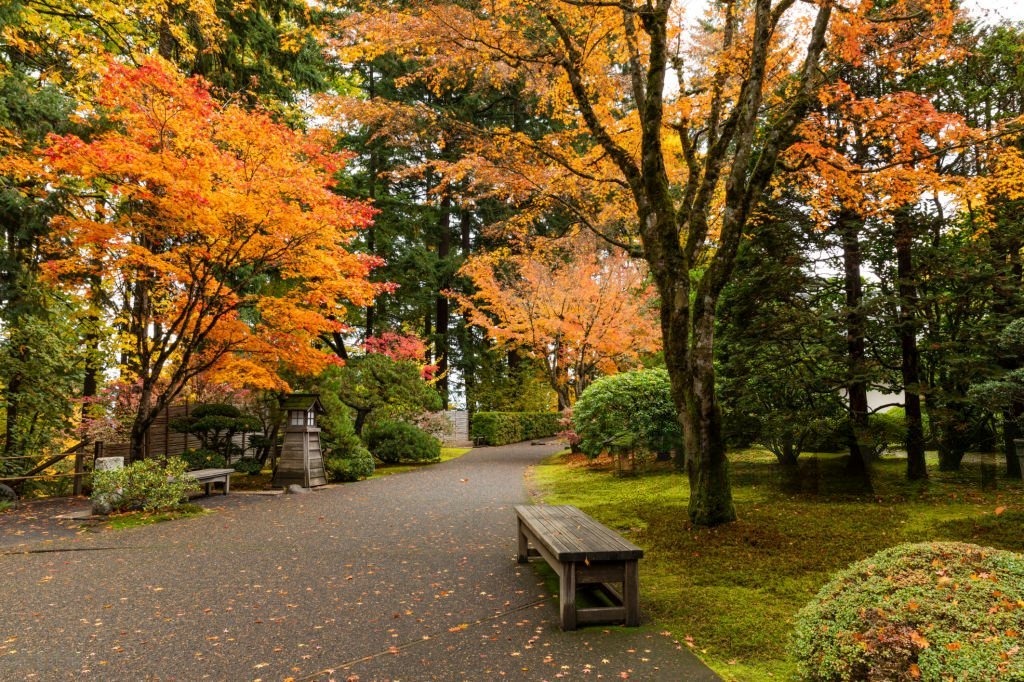
Parks and nature: Paved paths at Tom McCall Waterfront Park, Washington Park, and the Eastbank Esplanade make outdoor exploration easy. Adaptive equipment is available at select sites.
A Brief History
Founded in the 1840s along the Willamette River, Portland developed as a trade hub. It earned the nickname “The City of Roses” in the early 20th century, when rose gardens became a civic emblem and the annual Rose Festival was established. Today, Portland is celebrated for its sustainability, thriving café culture, and artistic vibrancy.
Highlights (with accessibility notes)
- Portland Art Museum
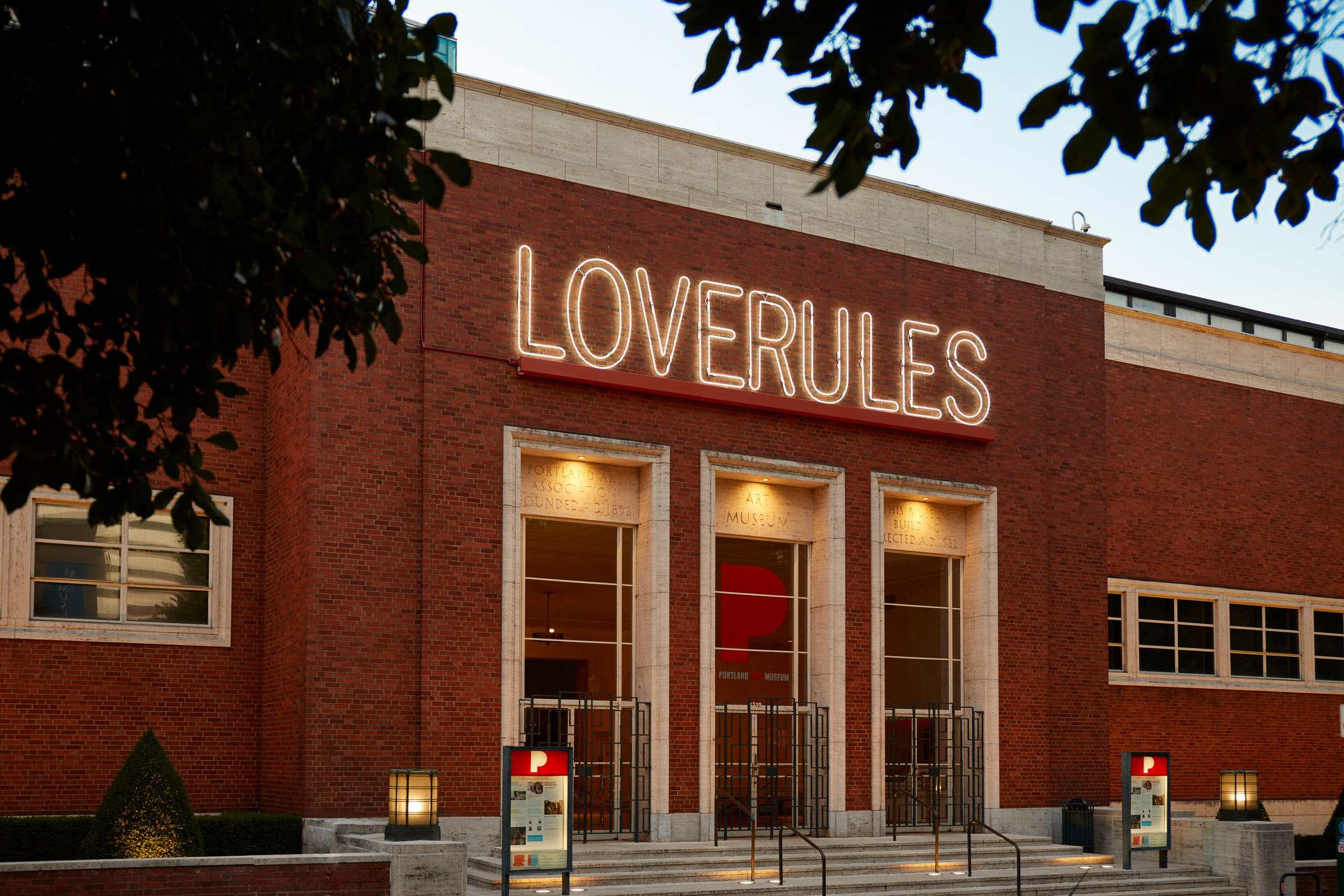
Collections range from Native American art to modern works. Fully accessible entrances and galleries. Free admission for personal care attendants. Wheelchairs available on site.
portlandartmuseum.org - International Rose Test Garden (Washington Park)
Over 10,000 rose bushes on paved pathways. Accessible parking and restrooms. In summer, an accessible shuttle links the park’s attractions. - Powell’s City of Books
The world’s largest independent bookstore. Multiple levels with elevators and wide aisles. Accessible in-store café.
powells.com - Oregon Museum of Science and Industry (OMSI)
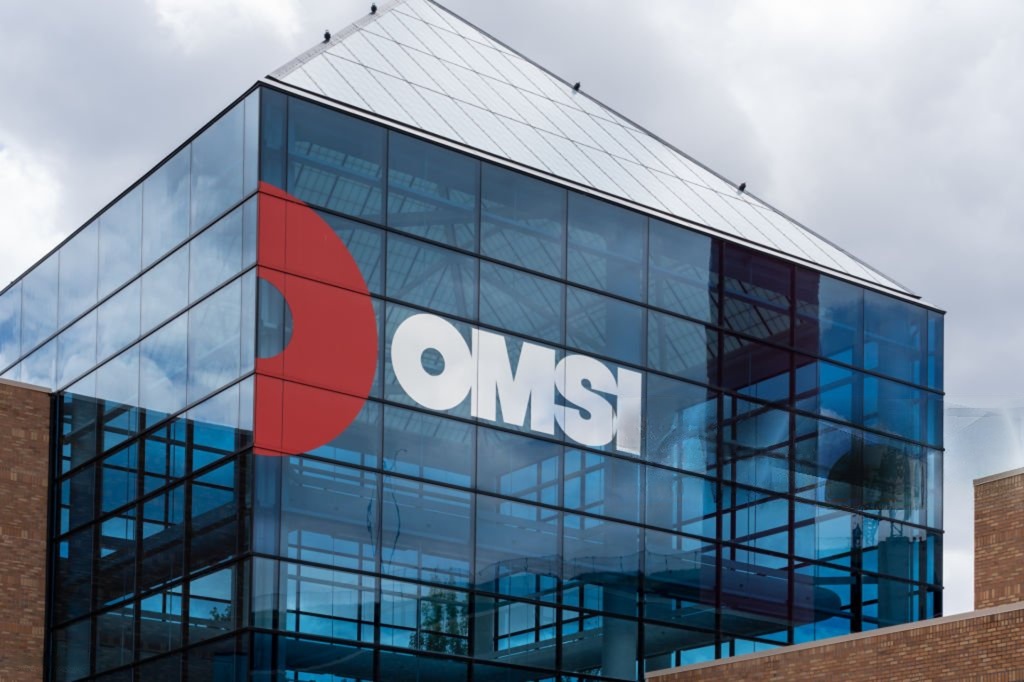
Wheelchair access throughout exhibits, planetarium, and theaters. Submarine tour is not accessible, but virtual experiences are available.
omsi.edu - Lan Su Chinese Garden
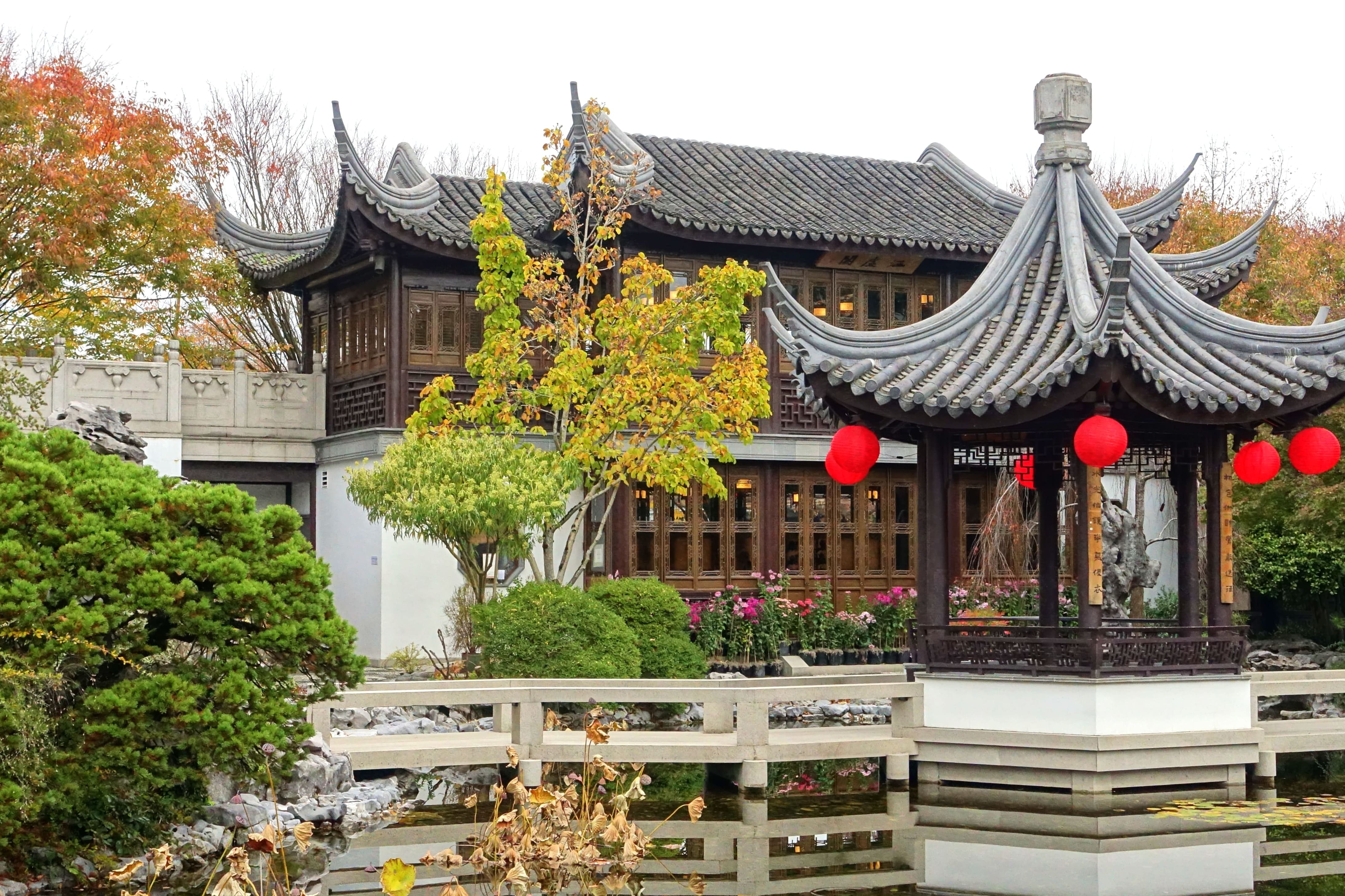
Traditional garden with step-free pathways and accessible tea house. Some ornamental stone paving may feel uneven.
lansugarden.org - Portland Saturday Market
Long-running open-air market along the riverfront. Flat paved surface and accessible restrooms. - Portland Aerial Tram
Fully accessible, connecting the South Waterfront to Oregon Health & Science University with panoramic views of the city and Mount Hood.
gobytram.com
Unique Experiences
- Food and drink: Craft breweries and food carts, many step-free or with portable ramps; accessibility information is often provided online.
- Green city: Accessible walks along the Eastbank Esplanade or paved segments of Forest Park.
- Festivals: The Rose Festival, Waterfront Blues Festival, and Portland Film Festival all take place in accessible central venues.
Practical Tips
- Transit card: Hop Fastpass works across TriMet buses, MAX Light Rail, and the Streetcar. myhopcard.com
- Paratransit: TriMet LIFT offers door-to-door service by reservation.
- Airport: Portland International Airport (PDX) is highly rated for accessibility, with step-free MAX Light Rail (Red Line) connection to downtown.
- Day trips: Amtrak accessible routes to Seattle and Eugene. Nearby Multnomah Falls has an accessible viewpoint at the base.
With the goal of providing the highest quality of service to all visitors, including those with reduced mobility, the city of Portland has established several tourist information offices and service points across the metropolitan area. These offices offer personalized assistance, detailed maps, and updated information on cultural events, transportation, accessible routes, and inclusive services.
Each office is designed to meet the needs of travelers requiring additional support, ensuring a safe, comfortable, and enriching stay in Oregon’s cultural and environmental capital.
Main Tourist Information Offices in Portland
1. Travel Portland Visitor Information Center (Downtown)
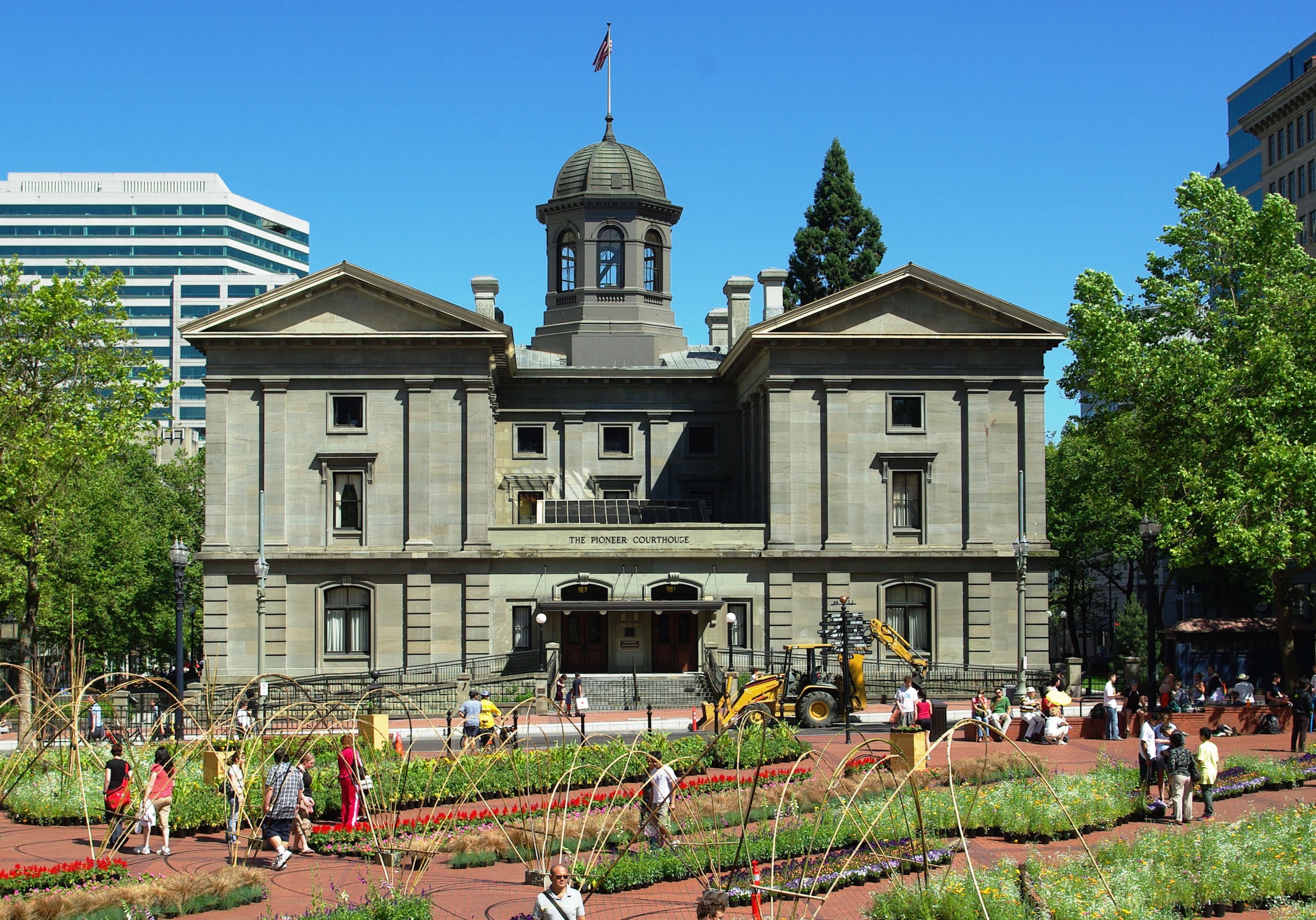
Address: Pioneer Courthouse Square, 701 SW 6th Avenue, Portland, OR 97204
Telephone: (+1) 503-275-8355
Email: [email protected]
Located in Portland’s central square, this is the primary information hub for visitors. The center provides accessible maps, brochures on cultural and outdoor attractions, and personalized recommendations for barrier-free hotels, restaurants, and public transportation. Facilities include step-free entry, automatic doors, accessible restrooms, and staff trained in accessibility awareness.
2. Portland International Airport (PDX) Information Desk
Address: 7000 NE Airport Way, Portland, OR 97218
Telephone: (+1) 503-460-4234
Email: [email protected]
For many travelers, the journey begins here. The PDX Information Desk assists visitors with onward travel, accessible public transit connections via MAX Light Rail, and information on adapted ground transportation services. The airport itself is recognized nationally for accessibility, featuring accessible parking, elevators, tactile signage, and mobility assistance upon request.
3. Oregon Convention Center Visitor Information
Address: 777 NE Martin Luther King Jr Blvd, Portland, OR 97232
Telephone: (+1) 503-235-7575
Email: [email protected]
Located in the Lloyd District near the Rose Quarter, this service point provides guidance for visitors attending events, conventions, or concerts. It offers maps highlighting accessible routes to nearby attractions such as the Moda Center and Eastbank Esplanade. Facilities include step-free access, lowered service counters, hearing loop systems, and accessible restrooms.
Tourist Passes and Accessible Transport Options
- Hop Fastpass
A reloadable card valid on TriMet buses, MAX Light Rail, and Portland Streetcar. All services are accessible with low-floor vehicles, ramps, and wheelchair spaces. Day passes cost around $5. - Amtrak (Portland Union Station)
Provides accessible intercity train connections to Seattle, Eugene, and beyond. Station includes elevators, ramps, and boarding assistance. - Portland Streetcar
Offers step-free boarding and dedicated wheelchair spaces on all lines serving downtown and the Pearl District. - MAX Light Rail
Four lines (Blue, Red, Green, Yellow) provide level boarding at most stations with elevators where needed. The Red Line connects directly to the airport. - TriMet LIFT Paratransit
A shared-ride service offering door-to-door accessible transport within the Portland metro area. Advance booking required. - Portland Aerial Tram
Fully accessible service connecting South Waterfront with Oregon Health & Science University. Panoramic city views included in the ticket.
Commitment to Accessibility
All tourist information services in Portland are guided by the principle of inclusivity, ensuring equal access to information, facilities, and services for every traveler. Staff are trained in accessibility awareness and multilingual communication, guaranteeing that all visitors feel supported and welcome.
From the moment of arrival, travelers with reduced mobility benefit from step-free routes, adapted transportation options, and inclusive accommodations. Whether exploring the International Rose Test Garden, browsing Powell’s City of Books, or enjoying the riverside paths of the Eastbank Esplanade, Portland combines natural beauty with a strong commitment to accessible tourism.
Airport
Portland is served by Portland International Airport (PDX), located about 19 km (12 miles) northeast of downtown. PDX is Oregon’s largest airport and a major hub for domestic and international flights, offering direct connections across North America, Europe, and Asia.
PDX has been repeatedly recognized for its customer service and accessibility features. In accordance with the Air Carrier Access Act (ACAA) and the Americans with Disabilities Act (ADA), the airport provides free assistance for Passengers with Reduced Mobility (PRM), from curbside arrival through check-in, security, boarding, and baggage claim.
Assistance can be requested through the airline or the airport’s information desk at least 48 hours in advance.
Website: www.flypdx.com
Accessible facilities at Portland International Airport (PDX):
- Barrier-free entrances, automatic doors, and wide pathways.
- Elevators and ramps throughout the terminal.
- Designated seating areas and charging stations for wheelchair users.
- Accessible restrooms in all concourses.
- Visual paging system and TTY phones for travelers with hearing impairments.
- Reserved accessible parking near the terminal with shuttle service to entrances.
- Assistance dogs welcome; relief areas provided both inside and outside the terminal.
Port
While Portland is not a coastal city, it has a significant inland port along the Willamette and Columbia Rivers — the Port of Portland. The port handles cargo operations and also hosts limited river cruises and private vessels.
Facilities include:
- Ramps and accessible walkways connecting docks and terminals.
- Accessible restrooms and waiting areas.
- Elevators and clear signage for wayfinding.
- Adapted taxis and accessible public transportation connecting the port area to downtown Portland.
- River cruises departing from Portland often serve accessible docks and can accommodate mobility devices with prior notice.
- Website: www.portofportland.com
Connections from Portland International Airport (PDX) to Downtown Portland
MAX Light Rail (TriMet Red Line)
- Station located at the terminal’s lower level.
- Destination: Downtown Portland (Pioneer Square).
- Travel time: 35–40 minutes.
- Fare: $2.80 (adult ticket).
- All trains are low-floor and fully accessible with priority seating and audio/visual announcements.
Accessible Taxi and Ride-Share
- Available outside the terminal (Island 2).
- Fare: $35–50 to downtown Portland.
- Wheelchair-accessible vehicles available on request.
Accessible Shuttle Services
- Several hotel and shared shuttles offer lift-equipped vans.
- Reservation recommended in advance.
Connections from Port of Portland to the City Center
Bus Line 6 (TriMet)
- Connects the port area (N. Marine Dr.) to downtown Portland.
- All buses are equipped with ramps and kneeling functions.
- Fare: $2.80 (2½-hour pass).
Adapted Taxi or Ride-Share
- Approximate fare: $25–35 to downtown.
- Streetcar or Light Rail (via Gateway Transit Center)
- Accessible connections to central districts such as Pearl District and Portland State University.
Conclusion
With its well-connected airport, accessible public transit network, and inclusive facilities at both PDX and the Port of Portland, the city ensures seamless mobility for travelers with all levels of ability.
Free assistance services, ADA-compliant infrastructure, and multiple accessible transport options make Portland, Oregon, a welcoming and convenient destination for visitors seeking safety, comfort, and inclusion.
Although the city of Portland is not located directly on the coast, its proximity to the Oregon shoreline allows easy access to several beaches adapted for visitors with reduced mobility. The following three destinations are recognized for their accessibility, inclusive facilities, and visitor services:
1. Seaside Beach (Seaside, Oregon)
Location: Approximately 125 km (about 2 hours by car) northwest of Portland, on Oregon’s north coast.
Accessibility features:
- Direct access through paved ramps and Mobi-mat walkways, allowing wheelchair users to move easily across the sand (main access points at Avenue U and 12th Avenue).
- Beach wheelchairs available free of charge through the David’s Chair program (advance reservation recommended).
- Accessible restrooms and designated parking spaces near the main beach entrances.
- Nearby rest areas, restaurants, and shops with step-free access.
- Website: www.seasideor.com
2. Lincoln City Beach (Lincoln City, Oregon)
Location: About 160 km (2 hours and 15 minutes from Portland) on Oregon’s central coast.
Accessibility features:
- Installation of Mobi-mat pathways providing firm surfaces from parking areas to the beach, notably at Taft District (SW 51st Street).
- Beach wheelchairs available upon prior request.
- Paved ramps and trails connecting parking areas, viewpoints, and beach entrances.
- Accessible restrooms and picnic areas equipped for wheelchair users.
- Website: www.explorelincolncity.com
3. Harris Beach State Park (Brookings, Oregon)
Location: On Oregon’s southern coast, approximately 520 km (6 hours by road) from Portland.
Accessibility features:
- Ramp access from the main parking lot to the viewing and beach areas.
- Accessible trails and viewpoints with firm surfaces and clear wayfinding signage.
- Adapted public restrooms and accessible picnic zones throughout the park.
- A natural environment offering panoramic ocean views and inclusive recreational opportunities in a peaceful setting.
- Website: stateparks.oregon.gov
Conclusion
The beaches of Seaside, Lincoln City, and Harris Beach State Park are outstanding options for visitors wishing to experience Oregon’s coastline under optimal accessibility conditions.
Their adapted infrastructures, local support programs, and compliance with accessibility regulations ensure a safe, comfortable, and inclusive experience for all visitors, regardless of their mobility level.
Accessible Route through Central Portland, Oregon
The accessible tour begins at Portland Union Station, the city’s historic rail hub and a key point for Amtrak and local transport connections. The station is fully accessible, with ramps, elevators, tactile signage, and automatic doors. Wide sidewalks and curb cuts lead directly into the Pearl District, one of Portland’s most vibrant and walkable areas.
The first highlight along the route is Lan Su Chinese Garden, located just a few blocks away. This authentic walled garden offers step-free access throughout most of its grounds. Smooth pathways, benches, and shaded resting spots make it ideal for wheelchair and scooter users. The teahouse and gift shop are barrier-free, and companions or caregivers receive complimentary entry.
From here, visitors continue toward Pioneer Courthouse Square, often called “Portland’s Living Room.” This large, open plaza features level surfaces and accessible seating areas. The square is a hub for festivals, art installations, and public events, all designed with inclusivity in mind. Surrounding shops and cafés provide step-free entry and accessible restrooms.
Just a few minutes away lies the Portland Art Museum, one of the oldest art institutions in the Pacific Northwest. The museum offers elevator access to all floors, adapted restrooms, and complimentary admission for personal care attendants. Service animals are welcome, and wheelchairs are available at the entrance. The spacious galleries make it easy for visitors with mobility devices to navigate and enjoy the collection at a comfortable pace.
Continuing south along the South Park Blocks, visitors encounter a tranquil, tree-lined stretch of green space connecting the cultural heart of downtown. The sidewalks are wide and smooth, with gentle gradients and frequent resting benches. Seasonal markets and outdoor events in this area are staged on level surfaces, ensuring accessibility for all.
A short distance away stands the Oregon Historical Society Museum, featuring step-free access, automatic doors, and accessible exhibits. Interactive displays are positioned at varying heights, allowing comfortable use for wheelchair users. Audio guides and captioned video materials are also available upon request.
Heading westward, the route leads toward the Portland State University campus, known for its pedestrian-friendly layout and inclusive design. The campus pathways are flat and well-maintained, connecting to the Portland Streetcar, which provides fully accessible transport to other parts of the city, including the riverfront.
The next major stop is the Tom McCall Waterfront Park, a linear riverside park offering scenic views of the Willamette River. The park’s paved esplanade runs for over 2 miles and is entirely step-free, popular with wheelchair users, cyclists, and walkers alike. Accessible restrooms, ramps to viewing decks, and shaded seating areas are located throughout the park. During summer, festivals and markets held here maintain designated barrier-free zones.
Crossing the Tilikum Crossing Bridge, the first major U.S. bridge designed for pedestrians, cyclists, and public transit—but not private cars—visitors experience one of Portland’s most iconic and inclusive landmarks. The bridge features wide, gently sloped pathways and panoramic views of the city skyline.
The route concludes in the Central Eastside District, a revitalized area home to accessible cafés, artisan shops, and the OMSI (Oregon Museum of Science and Industry). OMSI provides barrier-free entry, adapted restrooms, elevator access to all floors, and tactile and auditory exhibits designed for visitors of varying abilities.
Returning via the Portland Streetcar or MAX Light Rail brings visitors back to Union Station, completing a loop that highlights the city’s mix of natural beauty, cultural landmarks, and urban inclusivity—all connected through an accessible, barrier-free route suitable for wheelchair users, mobility scooter users, and travelers of all abilities.
Canlis – Aisha Ibrahim
Located in downtown Portland, Canlis offers an elegant fine-dining experience that highlights modern Pacific Northwest cuisine crafted from local and seasonal ingredients. The atmosphere is refined yet warm, combining minimalist design with natural materials that reflect the region’s landscape.
The venue is fully accessible, with a step-free entrance, wide interior spaces, and adapted restrooms. Signature dishes feature Oregon seafood, wild mushrooms, and organic produce sourced from nearby farms.
Contact details
Address: 1230 SW Washington St, Portland, OR 97205
Phone: +1 503 555 1212
Email: [email protected]
Website: https://www.canlis.com
Le Pigeon – Gabriel Rucker
Situated in Portland’s East Burnside neighborhood, Le Pigeon is an acclaimed restaurant known for its creative French-inspired cuisine and intimate ambiance. Chef Gabriel Rucker, a James Beard Award winner, combines classic techniques with bold flavors and contemporary presentation.
Accessibility is ensured through a level entry, spacious seating arrangements, and accessible sanitary facilities. The tasting menus showcase dishes such as duck confit, local oysters, and seasonal vegetable preparations, reflecting Portland’s culinary innovation and diversity.
Contact details
Address: 738 E Burnside St, Portland, OR 97214
Phone: +1 503 546 8796
Email: [email protected]
Website: https://www.lepigeon.com
Castagna – Justin Woodward
Located in Southeast Portland, Castagna delivers a modern and sustainable fine-dining experience emphasizing regional ingredients and innovative techniques. Chef Justin Woodward crafts multi-course menus that highlight Oregon’s land and sea, from Willamette Valley produce to Pacific Coast seafood.
The restaurant is accessible, featuring a step-free entrance, wide dining areas, and restrooms adapted for wheelchair users. Dishes are artfully presented, offering a refined exploration of contemporary American cuisine grounded in local flavor.
Contact details
Address: 1752 SE Hawthorne Blvd, Portland, OR 97214
Phone: +1 503 231 7373
Email: [email protected]
Website: https://www.castagnarestaurant.com