Set in the heart of the Sonoran Desert and framed by five mountain ranges, Tucson is a city where modernity blends seamlessly with Native American, Mexican, and American heritage. Recognized as the first UNESCO City of Gastronomy in the United States, Tucson has become a world-class destination that prioritizes inclusive design, universal accessibility, and hospitality for all.
With a diverse population of more than 540,000 residents, the city has made significant investments in infrastructure, transportation, and public services to ensure a seamless experience for people with reduced mobility, sensory disabilities, or cognitive needs.
Cultural Heritage and Accessible Historic Sites
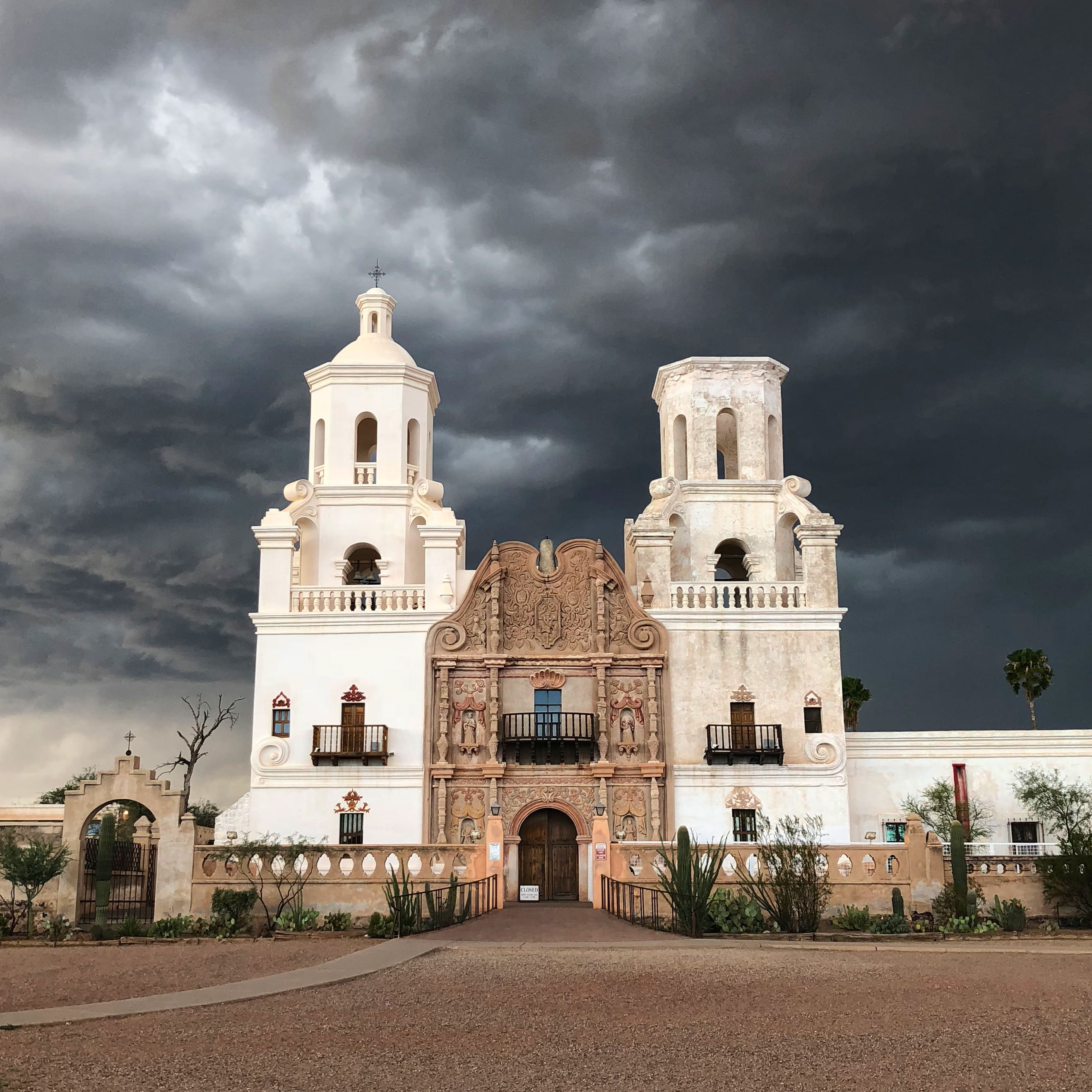
While Tucson has a contemporary character, it proudly honors its multicultural roots. Iconic landmarks such as Mission San Xavier del Bac, known as the “White Dove of the Desert,” feature step-free entryways, gently sloped ramps, and trained staff ready to assist visitors of all abilities. Blind and visually impaired guests can access detailed audio guides, while barrier-free routes ensure smooth mobility across the historic grounds.
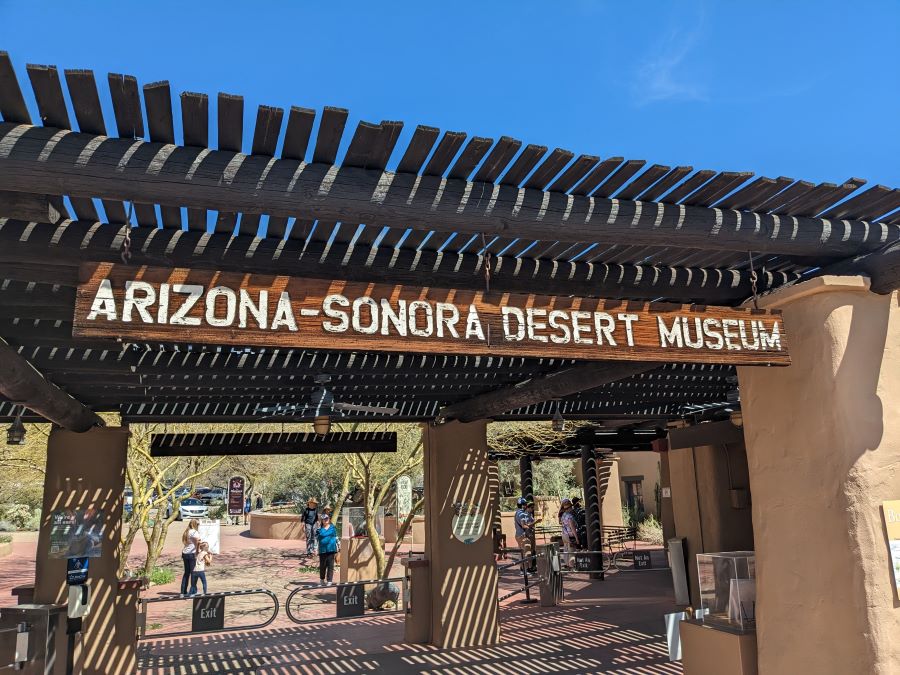
Museums such as the Arizona-Sonora Desert Museum and the Tucson Museum of Art provide inclusive experiences with adapted pathways, tactile exhibits, sign language–interpreted tours, and materials available in braille or easy-to-read formats.
Urban Design and Public Spaces for All
Tucson’s urban planning is increasingly oriented toward accessibility. Wide sidewalks, curb ramps, audio-enabled pedestrian crossings, bilingual signage, and shaded public areas with accessible fountains are common features.
At the scenic Rillito River Park Trail, visitors enjoy flat, paved pathways, accessible rest areas, and adapted restrooms along a riverfront route. Urban parks such as Reid Park include sensory gardens, inclusive playgrounds, and staff trained to support families with children with disabilities.
Transport and Inclusive Mobility
The city’s Sun Tran bus system features vehicles equipped with automatic ramps, designated wheelchair spaces, audiovisual information systems, and trained drivers.
The Sun Link Streetcar, a modern tram connecting downtown Tucson with the University of Arizona and cultural districts, offers level boarding, audible and visual announcements, and reserved spaces for wheelchair users.
At Tucson International Airport (TUS), passengers with reduced mobility benefit from full assistance services, including priority screening, accessible restrooms, inclusive rest areas, and tactile and audio guidance.
Culture, Education, and Hospitality for All
Tucson hosts world-class events such as the Tucson Festival of Books and the All Souls Procession, both of which feature accessible programming, sign language interpretation, and reserved seating areas.
Theaters and cultural centers, including the Fox Tucson Theatre, offer performances with live captioning, audio description, and accessible seating.
In its celebrated culinary scene, restaurants—from traditional taquerías to fine-dining establishments—often provide braille or large-print menus, step-free access, trained staff, and digital platforms compatible with screen readers.
Inclusive Tourism: A Sustained Vision
Visit Tucson, the city’s official tourism board, has developed barrier-free itineraries featuring guided tours of cultural sites, accessible desert walks, and immersive heritage experiences. Mobility equipment such as electric scooters and tactile maps are available, alongside American Sign Language (ASL) interpretation upon request.
Hotels, tour operators, and museums collaborate closely with community organizations to ensure every visitor enjoys a barrier-free experience from arrival to departure.
Tucson: A City That Moves Forward with Everyone
Tucson demonstrates that innovation and inclusion go hand in hand. It is a city that celebrates diversity, embraces dignity, and recognizes accessibility as a fundamental right.
With forward-looking infrastructure, cutting-edge technology, and a deep commitment to the well-being of all, Tucson stands out as a leader in inclusive tourism in the American Southwest—offering every visitor the chance to explore its cultural, natural, and human richness without limits or barriers.
Tucson offers a network of Tourist Information Centers located at key entry points and popular visitor areas, including the airport, cultural sites, and historic districts. These centers are essential for both first-time visitors and returning travelers, providing expert guidance, multilingual support, and accessibility-focused services.
All centers are staffed by trained professionals who provide maps, brochures, city guides, and recommendations on attractions, transportation, and accommodation. Many also assist with tour bookings, cultural event tickets, inclusive tourism advice, and accept international debit and credit cards.
Tourist Information Center – Tucson International Airport (TUS)
Located in the main Arrivals Hall, this center is the first stop for many travelers arriving in Southern Arizona. It features step-free access, clear signage, and staff trained in assistance for Persons with Reduced Mobility (PRM). It is ideal for organizing your visit as soon as you land.
Services: hotel and transport bookings, city maps, desert tours, cultural event information, and guidance on accessible attractions.
Address & Contact
Tucson International Airport – Arrivals Area
Phone: +1 520 573 8100
Website: www.flytucson.com
Tourist Information Center – Downtown / El Presidio District
Situated in the historic Presidio District, this center is perfect for visitors exploring Tucson’s cultural heritage, museums, and galleries in the downtown area. The facility is fully accessible, with ramps, adapted counters, and shaded rest areas.
Services: information on guided tours of the historic district, museum tickets, culinary routes, and recommendations for inclusive dining and shopping.
Address & Contact
El Presidio District, Downtown Tucson, AZ
Phone: +1 520 791 4873
Website: www.visittucson.org
Tourist Information Center – Mission San Xavier del Bac
Located just south of the city, this center serves one of Arizona’s most iconic historic landmarks, known as the “White Dove of the Desert.” Its infrastructure is accessible, with paved pathways, ramps, and trained staff available.
Services: cultural and religious visit guidance, accessible transport information, souvenir sales, and assistance with barrier-free itinerary planning in the surrounding area.
Address & Contact
1950 W San Xavier Rd, Tucson, AZ 85746, USA
Phone: +1 520 294 2624
Website: www.sanxaviermission.org
Tourist Pass – Tucson Attractions Passport
The Tucson Attractions Passport is a practical and cost-saving option for visitors looking to explore the city and surrounding region. Available in both digital and printed versions, the pass offers free or discounted entry to top attractions.
What’s Included in the Tucson Attractions Passport?
- Discounts on entry to the Arizona-Sonora Desert Museum, Pima Air & Space Museum, and Reid Park Zoo
- Special offers on cultural and culinary experiences
- Reduced rates on guided tours and outdoor activities
- Family-friendly promotions at selected venues
Accessibility
Most attractions included in the passport are fully accessible, offering ramps, elevators, adapted restrooms, and trained staff. Tourist Information Centers can provide tailored advice for barrier-free routes according to individual needs.
Where to Buy the Tucson Attractions Passport
- At official Tucson Tourist Information Centers
- Online at www.visittucson.org
- Through participating hotels and travel agencies
Tucson International Airport (TUS)
Commitment to Accessibility, Dignity, and Inclusion in Air Travel
Tucson International Airport (TUS), the main gateway to Southern Arizona, is distinguished by its accessible, efficient, and human-centered approach to serving all passengers. In line with U.S. national accessibility standards and international best practices, TUS ensures a safe, comfortable, and dignified travel experience for people with reduced mobility as well as those with physical, sensory, or cognitive disabilities.
Access and Circulation
The terminal entrances feature automatic doors, gentle ramps, and level surfaces. Interior spaces are designed to allow smooth circulation for wheelchairs, mobility devices, and assistance carts. Elevators include braille signage, audio announcements, and visual displays, supporting independent navigation across all levels of the airport.
Accessible Parking
Reserved parking spaces for people with disabilities are available in all lots, including Economy, Daily, and Hourly parking. These spaces are strategically located near entrances and connected by accessible pathways. Vehicles displaying valid disability permits benefit from preferential conditions and proximity to the terminal.
Passenger Assistance Services (PRM)
In coordination with airlines, the airport provides comprehensive assistance services for passengers with reduced mobility, available 24/7. Services include support from arrival at the airport—whether by private car, taxi, or public transport—through check-in, security screening, immigration, and boarding gates. Passengers are encouraged to request assistance at least 48 hours before travel via their airline.
Accessible Restrooms
Accessible restrooms are available throughout the terminal, including public areas and VIP lounges. Facilities feature easy-to-open doors, grab bars, ample wheelchair maneuvering space, lowered sinks, and emergency call buttons. Family restrooms and adult changing stations are available in designated areas.
Information and Customer Service
Information desks are designed at accessible heights and staffed by trained, multilingual personnel. The airport participates in programs supporting travelers with non-visible disabilities, ensuring discreet and respectful assistance when needed.
Waiting Areas and VIP Lounges
General waiting areas include accessible seating and designated wheelchair zones. Charging stations for electronic devices are installed at appropriate heights. VIP lounges are fully accessible, equipped with adapted restrooms, and offer personalized assistance upon request.
Service Animal Relief Areas
TUS provides designated indoor and outdoor relief areas for guide dogs and service animals. These zones are conveniently located near main entrances and are regularly maintained. Airport staff can escort passengers to these areas when required.
Internal Mobility
While the airport does not feature internal trams, electric carts and manual wheelchairs are available upon request to assist with transfers between terminal areas and parking facilities. All levels are connected by elevators, ramps, and escalators.
Restaurants and Shops
All dining and retail venues at the airport are designed for full accessibility. Wide, unobstructed aisles and thoughtfully arranged seating allow fluid wheelchair circulation. Several venues offer braille or large-print menus, and staff are trained to accommodate special dietary or accessibility needs.
Contact Information
Address:
Tucson International Airport – Main Terminal
7250 S Tucson Blvd, Tucson, AZ 85756, USA
Phone: +1 520 573 8100
Email: [email protected]
Website: www.flytucson.com
Transport from the Airport to Downtown Tucson
The airport is located approximately 8 miles (13 km) from downtown Tucson. Multiple accessible transport options are available:
Public Bus – Sun Tran Route 11
This service connects the airport to downtown Tucson with frequent departures. All buses are fully accessible, equipped with automatic ramps, designated wheelchair spaces, audio/visual stop announcements, and air conditioning. The fare is approximately USD $1.75.
More information: www.suntran.com
Accessible Taxis and Ride-Hailing
Tucson’s taxi fleet includes wheelchair-accessible vehicles equipped with ramps or lifts and operated by trained drivers. Reservations can be made by calling local taxi companies or using ride-hailing apps like Uber and Lyft, both of which offer WAV (Wheelchair Accessible Vehicle) options.
Urban Accessibility in Tucson
The city has made significant progress in improving its urban infrastructure through principles of universal design. Sidewalks feature curb ramps and tactile paving, pedestrian crossings provide audio signals, and most public buses and streetcars are fully accessible.
Tucson’s main museums, cultural centers, and hotels offer inclusive environments, specialized services, and trained staff—ensuring that the city is fully prepared to welcome every visitor without barriers.
Tucson, Arizona – Barrier-Free Route in the Desert City
Tucson, surrounded by majestic mountains and known for its unique cultural heritage, is a city in the American Southwest that blends nature, history, and art. Thanks to continuous improvements in accessibility, it is a highly suitable destination for wheelchair users and travelers with reduced mobility. Below is a barrier-free route to discover Tucson’s highlights.
Start of the Tour: Mission San Xavier del Bac
Begin at the historic Mission San Xavier del Bac, an 18th-century baroque icon often called the “White Dove of the Desert.”
Accessibility:
The complex features ramps, step-free entrances, and designated seating areas for wheelchair users inside the church. Adapted restrooms are available at the visitor center.
What to do:
Admire the original frescoes, attend mass, or enjoy the serenity of this spiritual site in the desert.
Walk through the University of Arizona Campus
Next, head to the University of Arizona campus, the academic and cultural heart of the city.
Accessibility:
The campus offers wide, paved walkways, ramps at all main buildings, and elevators in cultural facilities such as the Arizona State Museum.
What to do:
Visit the Arizona State Museum, the Museum of Art, or simply enjoy the landscaped gardens and outdoor sculptures.
Explore the Tucson Museum of Art & Historic Block
Located in downtown Tucson, this museum showcases contemporary, Latin American, and Southwestern art.
Accessibility:
Step-free entrances, elevators, and adapted restrooms are available throughout the galleries. The historic block has been renovated to eliminate architectural barriers.
What to do:
Explore Native American art collections, temporary exhibitions, and enjoy accessible cafés and shops.
Nature at Sabino Canyon
About 30 minutes from downtown, the Sabino Canyon Recreation Area offers a unique experience in the Sonoran Desert.
Accessibility:
The canyon tram service includes accessible vehicles. Several paved routes allow easy exploration of the landscape. Adapted restrooms are available at the visitor center.
What to do:
Take a scenic tram ride, spot desert wildlife, and enjoy accessible viewpoints with breathtaking vistas.
Optional Stop: Arizona-Sonora Desert Museum
This hybrid zoo, botanical garden, and museum is one of Tucson’s most popular attractions.
Accessibility:
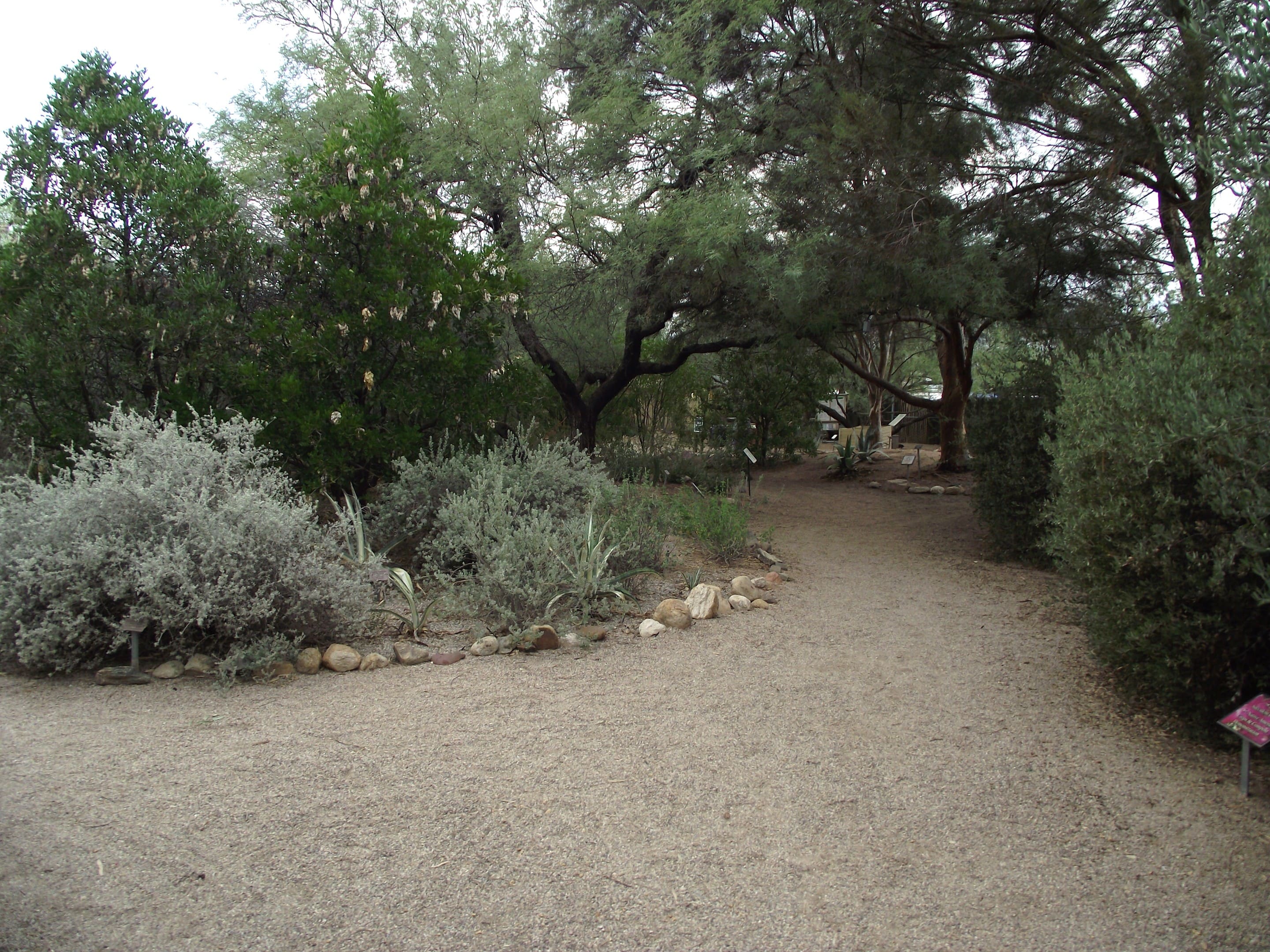
Main trails are paved, ramps are available throughout the grounds, and accessible rest areas and restrooms are provided. Manual wheelchairs are available for free loan at the entrance.
What to see:
Discover desert wildlife exhibits, cactus gardens, and raptor free-flight shows in a fully accessible environment.
Relax at Reid Park
End your afternoon at Reid Park, one of the city’s largest green spaces and a perfect spot to unwind.
Accessibility:
Paved walkways, accessible picnic areas, inclusive playgrounds, and ADA-compliant restrooms make it comfortable for all visitors.
What to do:
Take a leisurely stroll, enjoy the ponds and gardens, or simply relax in this urban oasis.
Dinner in Downtown Tucson
Finish your tour with dinner in downtown Tucson, where many restaurants offer both authentic Sonoran cuisine and international flavors.
Accessibility:
Many establishments have step-free entrances, spacious interiors, and adapted restrooms. Staff are accustomed to welcoming visitors with diverse accessibility needs.
What to try:
Sample Sonoran specialties such as carne asada tacos, enchiladas, or the iconic Sonoran hot dog.
El Charro Café – Historic Sonoran Cuisine
Founded in 1922, El Charro Café is the nation’s oldest Mexican restaurant in continuous operation by the same family. Famous for its Sonoran specialties, it offers a warm and authentic dining experience in the heart of downtown Tucson.
Accessibility: Step-free entrance and spacious interior seating areas.
Accessible Restrooms: Adapted facilities with grab bars.
Signature Dish: Carne seca (sun-dried beef) tacos.
Contact Information:
Address: 311 N Court Ave, Tucson, AZ 85701, USA
Phone: +1 520-622-1922
Website: elcharrocafe.com
Café Poca Cosa – Contemporary Mexican Dining
A stylish downtown spot, Café Poca Cosa is known for its modern and artistic take on Mexican cuisine, with a menu that changes daily.
Accessibility: Ramp entrance and accessible indoor seating.
Accessible Restrooms: Spacious and ADA-compliant.
Signature Dish: Chef’s choice platter (rotating selection of seasonal specialties).
Contact Information:
Address: 110 E Pennington St, Tucson, AZ 85701, USA
Phone: +1 520-622-6400
Feast – Modern American Cuisine
Feast offers an inventive seasonal menu featuring local ingredients and global inspiration, set in a casual yet refined atmosphere.
Accessibility: Step-free entry, wide passageways, and flat dining area.
Accessible Restrooms: Fully adapted with maneuvering space.
Signature Dish: Rotating chef’s specials, with strong vegetarian and gluten-free options.
Contact Information:
Address: 3719 E Speedway Blvd, Tucson, AZ 85716, USA
Phone: +1 520-326-9363
Website: eatatfeast.com
Barrio Brewing Co. – Craft Beer and Pub Fare
Arizona’s oldest craft brewery, Barrio Brewing Co. offers a lively atmosphere with locally brewed beers and hearty American-style meals.
Accessibility: Step-free access and flat interior layout. Outdoor patio is wheelchair-friendly.
Accessible Restrooms: ADA-compliant with grab bars.
Signature Dish: Barrio Blonde Ale paired with brewery burgers.
Contact Information:
Address: 800 E 16th St, Tucson, AZ 85719, USA
Phone: +1 520-791-2739
Website: barriobrewing.com
The Coronet – European-Inspired Dining
Located near downtown, The Coronet is known for its European-style cuisine, charming ambiance, and locally sourced ingredients.
Accessibility: Ramp entrance and open-plan seating both indoors and outdoors.
Accessible Restrooms: Adapted facilities available.
Signature Dish: Duck confit with seasonal vegetables.
Contact Information:
Address: 198 W Cushing St, Tucson, AZ 85701, USA
Phone: +1 520-222-9889
Website: coronettucson.com