Zadar, located on Croatia’s stunning Dalmatian coast, is a city where history and the sea blend harmoniously. Once a powerful Roman and Venetian center, today it’s a lively coastal destination that enchants visitors with its ancient architecture, Adriatic sunsets, and vibrant cultural life.
For travelers in a wheelchair or using a mobility scooter, Zadar offers a pleasant and relatively accessible experience. Although the city’s historic heart features cobbled streets and ancient structures, local efforts to improve accessibility—especially in public spaces, hotels, and attractions—mean that visitors with reduced mobility can enjoy much of what this coastal gem has to offer.
A brief history of Zadar
Zadar’s history spans over three millennia. Founded by the Illyrians and later conquered by the Romans in the 1st century BCE, it became a key port and administrative center known as Iadera. Many Roman remains, including streets and ruins, can still be seen in the Old Town.
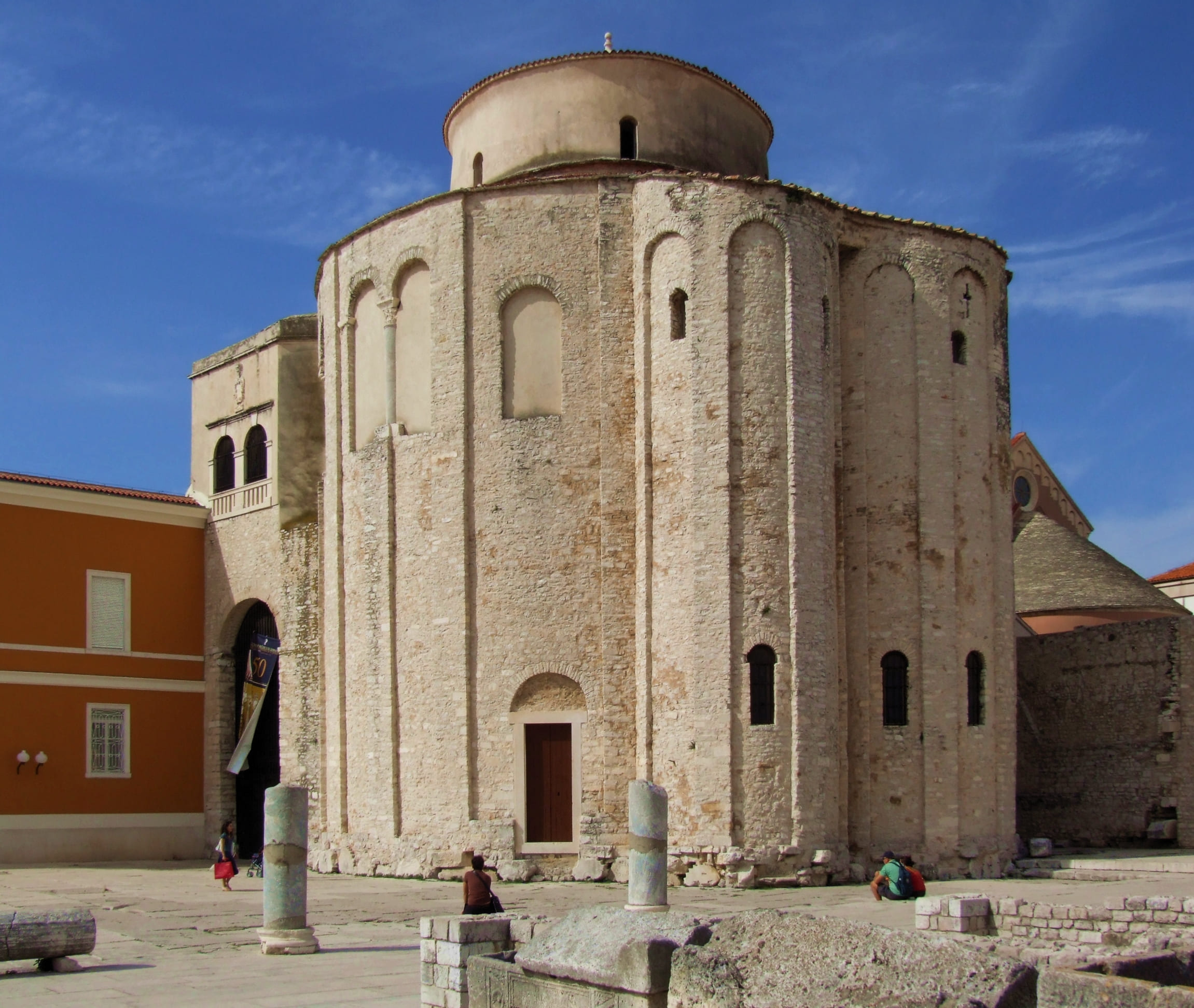
During the Middle Ages, Zadar flourished under Venetian rule, becoming an important maritime hub. The city’s architecture, such as St. Donatus Church and the city walls, reflects this heritage. Later, Zadar passed under Austrian, Italian, and Yugoslav control before Croatia’s independence in 1991. Despite the scars left by history, the city has preserved its unique identity—a blend of Roman foundations, Venetian elegance, and Mediterranean charm.
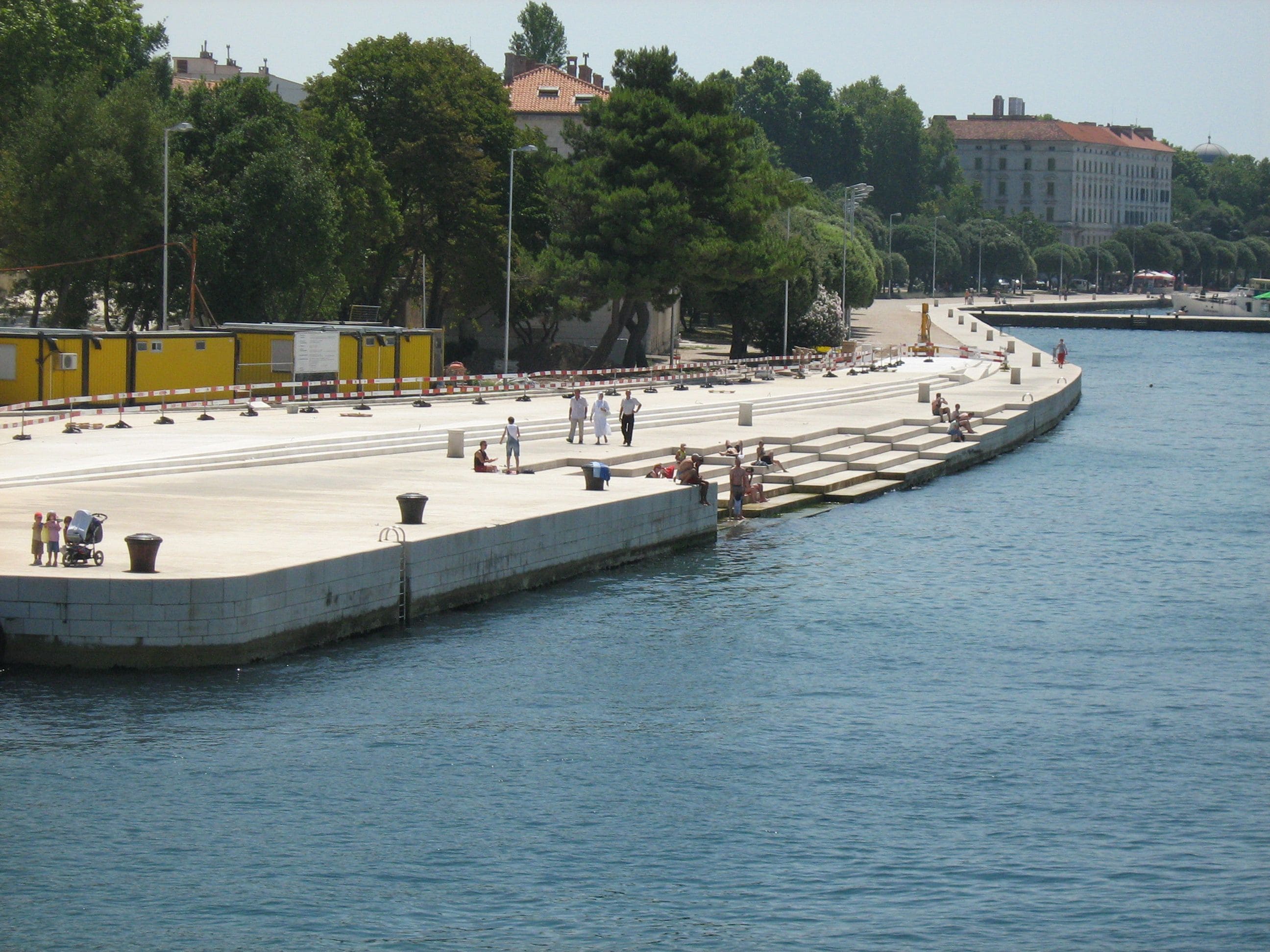
A curious anecdote: Zadar was the first city in the world to feature a Sea Organ, an architectural sound installation that plays music powered by the waves of the Adriatic Sea. Next to it is another modern wonder—the Greeting to the Sun, a solar-powered light installation that glows at dusk. Both symbolize Zadar’s creative spirit: ancient roots meeting modern innovation.
Accessibility in Zadar
Zadar is a small and compact city, which makes it manageable for travelers with reduced mobility, though some historic areas may present challenges due to cobblestones and uneven pavements. However, many of its main attractions are accessible, and the city has been gradually improving its facilities to meet international standards.
Zadar Airport (Zemunik Airport):
Located about 10 km from the city center, the airport provides assistance for passengers with disabilities. Wheelchairs and staff support are available upon request, and transfers to the city can be arranged with accessible taxis.
Public transport and streets:
Zadar’s public buses are partially accessible, but for convenience, many travelers prefer taxis or private adapted transfers. The Old Town is largely pedestrianized; its main streets are broad enough for mobility scooters, though cobblestones can make certain routes bumpy. The waterfront promenade and newer areas are smooth and easy to navigate.
Hotels and restaurants:
Many modern hotels and apartments near the Old Town and along the coast have accessible rooms, ramps, and elevators. Restaurants and cafés increasingly offer step-free access and accessible restrooms, especially in the tourist areas.
Museums and attractions:
Most museums have made accessibility upgrades, and several main attractions can be visited comfortably with a wheelchair or scooter.
Climate:
Zadar enjoys a Mediterranean climate with mild winters and hot, dry summers. The most comfortable months for wheelchair travel are from April to June and September to October, when temperatures are pleasant and crowds are fewer.
What to see and do in Zadar
1. Old Town (Poluotok)
Zadar’s historic peninsula is the heart of the city, enclosed by ancient walls and surrounded by the sea. It is home to Roman ruins, medieval churches, and lively squares. While some alleys are narrow or uneven, the main routes—especially around Kalelarga (the main street)—are accessible and ideal for exploring by scooter.
2. Roman Forum
Built in the 1st century BCE, the Roman Forum is an open-air archaeological site located next to St. Donatus Church. The area is mostly flat and accessible, allowing visitors to move easily among the ancient columns and stones that tell the story of Zadar’s Roman past.
3. Church of St. Donatus
This circular church, built in the 9th century, is one of Zadar’s most iconic landmarks. The interior has a few steps, but the exterior and surroundings are accessible. It offers excellent photo opportunities and a sense of medieval grandeur.
4. Sea Organ (Morske orgulje)
Located on the Riva promenade, this unique architectural feature uses the motion of the sea to create music through hidden pipes beneath marble steps. It’s completely step-free and ideal for wheelchair visitors. Sitting here at sunset, listening to the ocean play its melody, is an unforgettable experience.
5. Greeting to the Sun (Pozdrav Suncu)
Right next to the Sea Organ, this solar installation by architect Nikola Bašić consists of glass panels that absorb sunlight during the day and create a mesmerizing light show after sunset. The area is wide and smooth, perfect for rolling around at night as the lights dance beneath your wheels.
6. Zadar City Walls and Gates
The Venetian city walls, a UNESCO World Heritage Site, surround much of the Old Town. While climbing the walls isn’t accessible, the main gates—especially the Land Gate—can be visited easily from ground level, offering insight into the city’s defensive history.
7. St. Anastasia’s Cathedral
Zadar’s main cathedral features a Romanesque façade and beautiful interior. Access to the upper tower is by stairs, but the main hall is accessible for visitors with mobility aids.
8. Zadar Riva Promenade
The Riva is a scenic coastal walkway stretching along the Old Town’s western edge. It’s flat, smooth, and one of the best areas for wheelchair users. Locals and tourists alike gather here to watch what Alfred Hitchcock once called “the most beautiful sunset in the world.”
9. Museums
- Archaeological Museum: One of the oldest in Croatia, featuring accessible exhibits on Roman and medieval Zadar.
- Museum of Ancient Glass: A fascinating collection of Roman glass artifacts, with elevator access and modern facilities.
- National Museum: Located in several buildings, most with ramps or alternative access.
10. Day trips and unique experiences
- Boat tours: Some companies offer accessible boat rides around the Zadar Archipelago, with ramps and assistance for boarding.
- Kornati Islands: Although not all islands are accessible, certain organized tours can accommodate travelers with limited mobility.
- Nin: A small historic town just 15 km away, famous for its sandy beaches and shallow lagoons, with several accessible pathways.
- Beaches: Zadar’s main beaches, such as Kolovare Beach, have ramps and accessible restrooms. Some hotels also have private adapted beach access.
Practical tips
- Best time to visit: Spring and early autumn offer mild weather, ideal for exploring comfortably.
- Footwear and tires: If using a scooter, ensure tires can handle mild cobblestone surfaces in the Old Town.
- Stay close to the center: Many accessible hotels are located near the Old Town, reducing the need for transportation.
- Hydration: Summer days can be hot; carry water and wear sun protection.
- Cultural respect: Croatia is relaxed and welcoming, but modest dress is appreciated in churches.
- Plan transport: Book accessible taxis or private transfers in advance if needed.
- Ask for assistance: Locals are friendly and often eager to help if you encounter barriers.
Curious anecdote
During World War II, much of Zadar was heavily bombed, and parts of the Old Town were destroyed. Yet, the city rebuilt itself while preserving its soul. Today, old Roman stones and Venetian façades coexist with modern art installations and lively cafés—symbolizing resilience and rebirth by the sea.
Conclusion
Zadar is a city where every corner tells a story—Roman ruins whisper of empires, Venetian gates recall maritime glory, and the modern Sea Organ sings to the rhythm of the waves. For travelers in wheelchairs or on mobility scooters, it offers a delightful blend of history, sea views, and accessible experiences.
From rolling along the Riva promenade at sunset to listening to the Sea Organ’s song, from exploring the ancient forum to watching the solar lights of the Greeting to the Sun, Zadar captivates with its simplicity and charm.
With its compact size, friendly locals, and improving accessibility, Zadar is not only one of Croatia’s most beautiful cities—it’s also a destination that welcomes everyone to share in its light, history, and Adriatic magic.
With the aim of providing the highest level of service to all visitors — including people with reduced mobility — Zadar offers a network of tourist information offices strategically located throughout the city and surrounding areas. These offices are designed to deliver personalized assistance, detailed maps, and the latest information on cultural events, transportation, accessible routes, and inclusive services.
Each office is equipped to meet the needs of travelers requiring additional support, ensuring a comfortable, safe, and enriching stay on Croatia’s Adriatic coast.
Main Tourist Information Offices in Zadar
1. Central Tourist Information Office – Old Town (Poluotok)
Address: Narodni trg 2, 23000 Zadar, Croatia
Phone: (+385) 23 212 222
Email: [email protected]
Located in the heart of Zadar’s historic peninsula, this office is the main reference point for visitors. It offers comprehensive information on accessible cultural landmarks, accommodation, restaurants, and public services. The building features a step-free entrance, wide doors, and low service counters suitable for wheelchair users. Staff members are trained to assist visitors with mobility, visual, or hearing impairments, and provide updated materials on accessible attractions throughout the region.
2. Zadar Airport Tourist Information Desk
Address: Zadar Airport (Zemunik), Ulica I 2A, 23222 Zemunik Donji, Croatia
Phone: (+385) 23 205 800
Email: [email protected]
Conveniently located in the arrivals hall, this office assists travelers upon entering the region. It provides information on accessible transport options to the city center, including taxis and private adapted transfers. The airport and its facilities are fully accessible, featuring ramps, elevators, and designated assistance services for passengers with reduced mobility (PRM).
3. Kolovare Beach Tourist Point
Address: Kolovare Beach Promenade, 23000 Zadar, Croatia
Phone: (+385) 23 212 223
Email: [email protected]
Positioned near one of the city’s most popular beaches, this tourist point offers guidance on accessible coastal routes, adapted beaches, and nearby restaurants. Kolovare Beach includes ramps to the sea, accessible restrooms, and lifeguards trained to assist visitors with disabilities. The tourist point itself is step-free and provides shaded waiting areas.
4. Zadar Bus Terminal Information Desk
Address: Ante Starčevića 1, 23000 Zadar, Croatia
Phone: (+385) 23 316 915
Email: [email protected]
Situated inside the city’s main bus station, this office provides information for travelers arriving or departing by regional or national routes. Staff offer assistance with accessible bus lines and connections to coastal towns and national parks. The terminal features ramps, tactile signage, and accessible restrooms.
5. Zadar Port Tourist Office – Ferry Terminal
Address: Liburnska obala 7, 23000 Zadar, Croatia
Phone: (+385) 23 254 800
Email: [email protected]
Located at the passenger port, this office specializes in ferry schedules and maritime connections to nearby islands such as Ugljan, Dugi Otok, and Pašman. Staff provide details on accessibility on board, including ferry lines equipped with ramps and elevators. The terminal area is barrier-free and includes accessible ticket counters and waiting areas.
Tourist Passes for Visitors
Zadar currently does not have a specific tourist card exclusive to the city, but visitors can benefit from regional and combination passes that offer access to multiple attractions and transportation services — many of which include facilities for people with reduced mobility.
Zadar Region Pass
A multi-attraction card that includes discounts on museums, guided tours, and selected excursions in Zadar and its surroundings. Options are available for 24, 48, or 72 hours, with prices ranging from €15 to €40. Participating museums, such as the Museum of Ancient Glass and the Archaeological Museum, provide accessible entrances and elevators.
Zadar City Hop-On Hop-Off Tour
This sightseeing bus route connects the city’s main landmarks, including the Old Town, the Sea Organ, and Kolovare Beach. The lower deck of the bus is fully wheelchair accessible, with ramps and dedicated spaces. A one-day ticket costs approximately €25 and includes audio guides in multiple languages.
Commitment to Accessibility
All of Zadar’s tourist information offices operate under the same principle: ensuring equal access to information, services, and experiences for all visitors. The city’s tourism authorities actively promote inclusive tourism, maintaining barrier-free facilities and training staff in accessibility awareness.
Visitors with reduced mobility can rely on clear guidance, adapted public spaces, and specialized assistance from the moment they arrive. Whether exploring Roman ruins, enjoying the sunset at the Sea Organ, or discovering the charming cafés of the Old Town, travelers will find that Zadar’s hospitality and accessibility go hand in hand.
The local tourism board — Zadar Tourist Board — also provides online accessibility maps and travel tips for wheelchair users, including detailed information on hotels, restaurants, and cultural sites with step-free access.
A Destination for Everyone
Zadar continues to enhance its inclusive infrastructure, making it a model for accessible tourism along the Adriatic. From its ancient forum to its modern waterfront, the city combines history, beauty, and comfort for all travelers.
Whether you arrive by plane, ferry, or bus, Zadar ensures that every visitor — regardless of mobility level — can enjoy its timeless charm, gentle sea breeze, and world-famous sunsets in complete freedom.
Airport
The main air gateway to the city is Zadar Airport (Zemunik Airport), located about 10 kilometers from the city center.
Recognized for its efficiency and high-quality services, it offers modern and adapted facilities to ensure a safe and comfortable experience for persons with reduced mobility.
The airport provides:
- Fully accessible entrances, corridors, and elevators.
- Check-in and information counters with adapted height.
- Waiting lounges with designated areas for wheelchair users.
- Accessible restrooms in all public areas.
- Reserved parking spaces located near main entrances.
In accordance with international aviation regulations, all Passengers with Reduced Mobility (PRM) are entitled to free assistance service, available from arrival at the airport until boarding, and vice versa.
This service must be requested at least 48 hours prior to the flight through the corresponding airline.
More information: Zadar Airport – Accessibility Services
Phone: (+385) 23 205 800
Website: www.zadar-airport.hr
Port
The Port of Zadar, located in the Gaženica area, is the region’s main passenger port and receives national and international ferries, as well as seasonal cruise ships.
Its facilities have been recently renovated to meet high standards of universal accessibility.
Available services:
- Access to the dock via gently sloping ramps.
- Automatic doors and adapted waiting areas.
- Accessible restrooms throughout the port area.
- Immediate availability of adapted taxis next to the terminal.
- From the port, passengers can join excursions and guided tours in adapted vehicles, allowing them to explore Zadar and its surroundings in total comfort and safety.
More information: Port Authority of Zadar
Phone: (+385) 23 254 800
Website: www.port-authority-zadar.hr
Connections from Zadar Airport to the City Center
Regular Buses
- Direct service from the airport to the main bus station and the Old Town (Poluotok).
- Travel time: 20–25 minutes.
- Fare: from €4 per trip.
- Newer buses are equipped with ramps and spaces for wheelchairs.
- More information: www.liburnija-zadar.hr
Adapted Taxi Service
- Available 24/7 at the arrivals terminal.
- Vehicles equipped with ramps and wheelchair spaces.
- Approximate fare: €20–30, depending on destination in Zadar.
- Phone: (+385) 91 123 4567 (local adapted taxi service).
Private Transfers in Adapted Minibuses
- Authorized companies offer pre-booked services for groups or families with special needs.
- Vehicles feature rear or side ramps, air conditioning, and personalized assistance.
- Fares: vary according to route and number of passengers.
- Recommendation: book in advance through local agencies or accommodation providers.
Connections from Zadar Port (Gaženica) to the City Center
Adapted Taxi Service
- Immediate availability at the ferry terminal exit.
- Accessible vehicles on demand.
- Approximate fare: €10–20 to the Old Town.
Urban Buses
- Routes connecting the port with the central bus station and the historic center.
- Single ticket: from €2.
- Unlimited daily pass: €8.
- A portion of the fleet is adapted for persons with reduced mobility.
- More information: www.liburnija-zadar.hr
Local Ferry and Maritime Connections
- Accessible ferries connect Zadar with nearby islands such as Ugljan, Pašman, and Dugi Otok.
- Boarding via ramps and assistance from port staff.
- Reserved spaces on board for wheelchair users.
- Main operator: Jadrolinija – www.jadrolinija.hr
Conclusion
Both Zadar Airport and the Port of Gaženica offer modern, adapted infrastructures that guarantee universal access for travelers with reduced mobility.
Personalized assistance services, barrier-free facilities, the availability of accessible taxis and buses, and adapted maritime routes establish Zadar as a tourist destination fully prepared to welcome all visitors with safety, comfort, and inclusion.
Whether arriving by air or sea, travelers will find in Zadar a city that combines history, hospitality, and accessibility — making every stay as pleasant as it is inspiring.
Although Zadar’s coastline combines historic charm with modern seaside developments, the city has made steady progress in ensuring that its main bathing and leisure areas are accessible to everyone.
The two principal sites offering adapted infrastructure for persons with reduced mobility are Kolovare Beach, located close to the city center, and Borik Beach, situated in the northern resort zone.
Kolovare Beach – Accessible Zone
General description
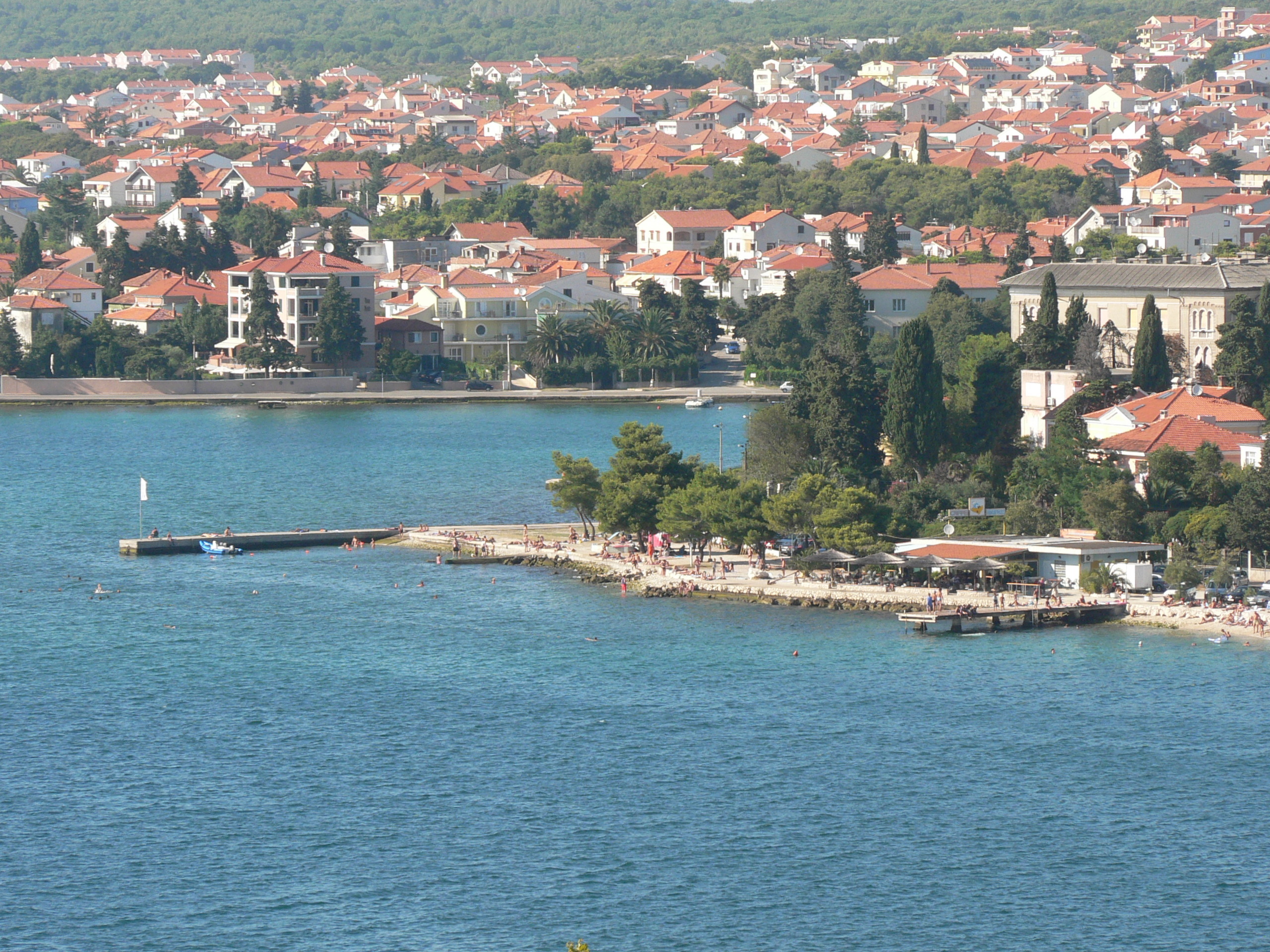
Kolovare Beach is Zadar’s main urban beach, located just a few minutes from the Old Town (Poluotok). It is a pebble and concrete beach that stretches along a scenic promenade and has been equipped with modern facilities to provide an inclusive seaside experience for all visitors.
Infrastructure and accessibility services
- Step-free access from the promenade to the beach area.
- Wooden walkways and gently sloping ramps reaching the shoreline.
- Amphibious wheelchairs available during the summer season, with lifeguards trained to assist entry into the sea.
- Adapted sanitary facilities, including accessible toilets, showers, and changing cabins.
- Reserved shaded areas close to the bathing zone for wheelchair users.
- Beach bars and nearby restaurants with step-free entrances and accessible seating.
- Designated parking spaces for visitors with disabilities near the main access point.
Accessible public transport connections
- Direct access by urban bus lines from the main station and Old Town.
- Low-floor buses operating on the Kolovare route.
- Availability of adapted taxis and private transfers along the seafront.
Additional notes
Kolovare Beach holds the Blue Flag distinction, recognizing its clean waters, safety standards, and accessibility initiatives. Staff members are accustomed to assisting visitors with different mobility needs.
Borik Beach – Resort and Public Area
General description
Located about 4 kilometers northwest of the city center, Borik Beach is part of Zadar’s main resort district. The area includes both public access zones and private hotel sections, many of which have invested in accessible infrastructure.
The beach offers a combination of sand, pebbles, and concrete platforms, providing smooth areas suitable for wheelchairs and scooters.
Infrastructure and accessibility services
- Paved and ramped access from the main road and hotel entrances.
- Level pathways and wooden platforms along the beach.
- Accessible toilets and showers available in both the public and hotel areas.
- Adapted beach wheelchairs offered by certain resorts (available upon request).
- Shaded resting spots and rental umbrellas accessible via flat walkways.
- Step-free access to beach cafés and restaurants.
- Reserved parking for guests with disabilities close to the promenade.
Accessible public transport connections
- Connected by city bus lines from the main station and the Old Town.
- Low-floor buses serving the Borik area.
- Adapted taxis available near hotels and the public beach entrance.
Limitations
- Amphibious wheelchairs may only be available through hotels during the peak season.
- Some parts of the natural shoreline remain uneven or pebbly, which may limit access close to the waterline.
Conclusion
Both Kolovare Beach and Borik Beach represent Zadar’s ongoing commitment to inclusive tourism.
Through the installation of ramps, adapted restrooms, and the provision of amphibious wheelchairs, the city ensures that visitors with reduced mobility can enjoy the Adriatic Sea safely and comfortably.
Combined with accessible public transport and step-free promenades, Zadar’s beaches offer a welcoming environment where everyone — regardless of mobility — can experience the beauty and serenity of Croatia’s coastline.
Accessible Route through Central Zadar, Croatia
The accessible route through central Zadar begins at People’s Square (Narodni Trg), the historic heart of the city and one of its most popular meeting spots. Surrounded by Renaissance buildings and open-air cafés, the square offers step-free access and smooth stone paving. From here, visitors can easily reach the nearby Zadar City Museum and the Archaeological Museum, both equipped with ramps and elevators for visitors with reduced mobility.
From People’s Square to the Roman Forum and St. Donatus Church
From Narodni Trg, the route continues west along pedestrian-friendly, level streets leading toward the Roman Forum, Zadar’s most important archaeological site, and the Church of St. Donatus, one of the city’s most iconic landmarks.
The area features wide, smooth stone surfaces and gently sloping ramps, ensuring comfortable movement for wheelchair and mobility scooter users. Informational panels are placed at accessible heights, and benches are available for resting along the route.
A short distance away stands the Cathedral of St. Anastasia, which offers side entrance access via a ramp and a small interior lift to the main nave.
Seafront Promenade and the Sea Organ
From the Forum, the route leads directly to Zadar’s seafront promenade (Riva), a completely flat, barrier-free walkway lined with trees, benches, and seaside cafés with step-free entrances and shaded seating.
At the western end of the promenade are two of Zadar’s most famous modern attractions: the Sea Organ (Morske Orgulje) and the Greeting to the Sun (Pozdrav Suncu). Both are located on smooth, level stone surfaces, fully accessible to wheelchair users. The Sea Organ allows visitors to experience the natural sounds created by the waves, while the solar-powered Greeting to the Sun installation provides a colorful light display at sunset—all within a barrier-free environment.
Rest Areas and Accessibility Services
Throughout the promenade, visitors will find accessible public restrooms, water fountains, and resting areas with scenic sea views. Nearby restaurants and cafés, particularly along the Riva and port area, feature level entrances and reserved seating for wheelchair users.
The promenade’s non-slip paving and clear visual signage make it suitable for visitors with limited mobility or visual impairments.
Extension to Kolovare Beach
From the old port area, the route can be extended southward along the coastal walkway to Kolovare Beach, Zadar’s main urban bathing area.
The path is fully accessible, with smooth surfaces and gentle ramps leading directly to the beach. Kolovare Beach offers amphibious wheelchairs, wooden walkways, accessible showers and restrooms, and trained lifeguards available to assist visitors with reduced mobility.
Accessible Transport and Return to the City Center
Returning to the starting point is easy via low-floor city buses or accessible taxis, both available at stops near the promenade and Kolovare Beach.
Conclusion
This accessible route through central Zadar combines historic heritage, Venetian architecture, and coastal beauty in a barrier-free journey through one of Croatia’s most charming cities.
With smooth pedestrian streets, ramps, adapted museums, and accessible beaches, Zadar ensures that all visitors—regardless of mobility—can fully enjoy its culture, history, and the serenity of the Adriatic Sea.
Foša – Chef Damir Tomljanović
Located at the edge of Zadar’s historic city walls, Foša is one of Dalmatia’s most refined seaside dining experiences. The restaurant takes its name from the small harbor it overlooks and offers a menu that celebrates the flavors of the Adriatic. Chef Damir Tomljanović specializes in modern Mediterranean cuisine with a focus on freshly caught seafood, seasonal produce, and premium Croatian olive oils and wines.
The setting is elegant yet relaxed, with tables arranged on a stone terrace directly above the water, offering enchanting views of the harbor and sunset.
The venue is fully accessible, featuring a step-free entrance, wide interior pathways, and accessible restrooms. The terrace’s level surface allows easy movement for wheelchairs and mobility scooters.
Signature dishes include Adriatic tuna tartare, lobster pasta, and grilled sea bream with fennel and citrus, all crafted with a balance of tradition and contemporary technique.
Contact details
Address: Kralja Dmitra Zvonimira 2, 23000 Zadar, Croatia
Phone: +385 23 314 421
Email: [email protected]
Website: https://www.fosa.hr
Pet Bunara – Chef Ante Božikov
Situated near Zadar’s Five Wells Square, Pet Bunara (“Five Wells”) is a cornerstone of sustainable Dalmatian gastronomy. Chef Ante Božikov creates dishes that highlight locally grown, organic ingredients and seasonal produce sourced from family farms around Zadar and the nearby islands. The restaurant blends rustic charm with modern design, emphasizing warm hospitality and authentic regional flavors.
Accessibility is a key focus: the restaurant provides ramp access, spacious seating, and adapted restrooms. Staff are trained to assist guests with mobility or sensory needs, ensuring an inclusive dining experience.
Signature dishes feature slow-cooked lamb in red wine, homemade pasta with truffle cream, and octopus stew with local herbs, complemented by a curated list of Croatian wines.
Contact details
Address: Trg pet bunara 1, 23000 Zadar, Croatia
Phone: +385 23 224 010
Email: [email protected]
Website: https://www.petbunara.hr
Kornat – Executive Chef Ivan Staničić
Overlooking Zadar’s scenic harbor, Kornat combines fine dining with a maritime atmosphere that reflects the city’s seafaring heritage. Housed in a historic building near the old port, the restaurant features a bright, spacious dining room with large windows and a terrace facing the sea. Chef Ivan Staničić offers a menu that merges Mediterranean and continental influences, focusing on creative seafood preparations and elegant presentation.
The restaurant is fully accessible, offering step-free entry, ample interior space, and accessible restrooms. The outdoor terrace features smooth stone flooring, making it comfortable for wheelchair users.
Signature dishes include sea bass fillet with basil sauce, black risotto with cuttlefish ink, and Dalmatian-style scampi, paired with award-winning local wines.
Contact details
Address: Liburnska obala 6, 23000 Zadar, Croatia
Phone: +385 23 254 501
Email: [email protected]
Website: https://www.restaurant-kornat.hr