サンティアゴ デ コンポステーラは豊かな歴史と文化遺産を持つ都市であり、観光客や巡礼者に人気の目的地です。保存状態の良い歴史的建造物、美味しい料理、賑やかな通りなど、サンティアゴにはやるべきことや見るものが尽きません。
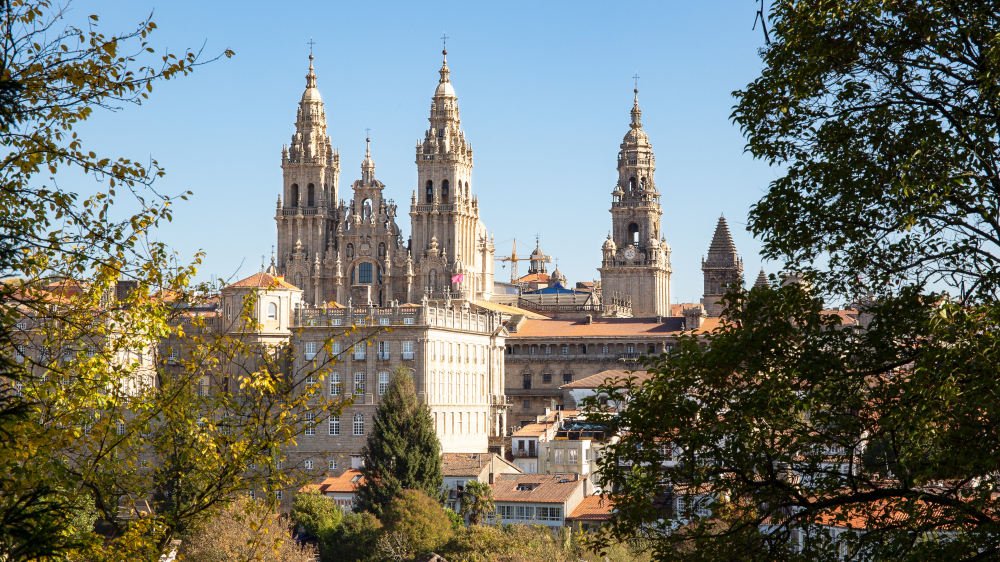
この街のハイライトの 1 つはサンティアゴ デ コンポステーラ大聖堂です。ここには使徒聖ヤコブの遺骨が安置されており、サンティアゴ巡礼路の終点でもあります。この街には他にも多くの歴史的建造物や、豊かな過去を垣間見ることができる狭く曲がりくねった通りがあります。
サンティアゴ デ コンポステーラでは、障害のある方のために、アクセシビリティ対応のビーチ、テーマパーク、レストランなど、いくつかのアクセシビリティ オプションを提供しています。 www.motion4rent.com を通じて、小旅行や観光アクティビティをアクセシブルなオプションで手配することもできます。
巡礼者、歴史愛好家、または単に新しい冒険を探しているだけでも、サンティアゴ デ コンポステーラは誰にとっても何かが楽しめる都市です。
サンティアゴ観光案内所にはさまざまな言語で情報が掲載されており、この街をより深く知るのに役立つ視聴覚リソースやインタラクティブなディスプレイが備えられています。また、サンティアゴ デ コンポステーラ市のアクセシビリティ ガイドなど、障害のある人向けのさまざまなサービスも提供しています。観光案内所は月曜日から日曜日まで、午前 9 時 30 分から午後 2 時までと午後 4 時から午後 7 時まで営業しています。
住所と連絡先:
- Rua do Vilar 63 (15705), Santiago de Compostela, Aコルーニャ
- 電話: (+34) 981555129
- メール: [email protected]
- ウェブ: www.santiagoturismo.com/accessibility
空港:
スペインの他の空港と同様、サンティアゴ空港では、欧州議会規則 (EC) 1107/2006 に従って、身体の不自由なお客様に無料のケアと支援サービスを提供しています。
このサービスは、身体の不自由なお客様または身体の不自由なお客様すべてが利用でき、少なくともリクエストする必要があります。ご旅行の 48 時間前までにご連絡いただくと、空港到着時からスムーズに準備が整います。
このサービスは無料で、次の電話番号で簡単にお申し込みいただけます: (+34) 91 321 10 00。
サンティアゴ デ コンポステーラ空港の市内中心部から約 12 km のラヴァコラの町にあります。スペイン北部ではビルバオに次いで 2 番目に賑わっています。この空港は年間平均 400 万人の乗客を扱います。 2019 年、サンティアゴ空港には、身体の不自由な乗客から約 13,000 件のリクエストが寄せられましたが、「SIN BARRRERAS」(バリアフリー)サービスのおかげで、すべてのリクエストにうまく対応できました。
空港から市内中心部までの送迎サンティアゴ:
サンティアゴ空港から市内中心部までの移動には、いくつかの便利な交通手段をご利用いただけます。空港はサンティアゴの歴史的中心部から 12 キロ離れたところにあり、交通状況によりますが、車での推定所要時間は 20 ~ 25 分です。
ガリシアの 2 つの最大都市、ア コルーニャ (67 km) とビーゴ (100 km) に行くには、少し時間がかかります。ア コルーニャまでは約 50 分、ビーゴまでは 1 時間 10 分かかります。
サンティアゴ デ コンポステーラ空港には、数台のレンタカーがあります。 Avis、Budget、Europcar、Enterprise、Sixt、Hertz などのレンタル会社が到着ターミナルにあります。しかし、身体の不自由な方に適した車を見つけるのは難しい場合があります。レンタカーを借りることもできますが、必要な装備が装備されていない可能性があります。
サンティアゴ デ コンポステーラに到着するには、サンティアゴ デ コンポステーラから N547 道路に乗ります。空港。
6 番のバスが空港とサンティアゴ中心部を結んでいます (路線名: San Marcos - Os Tilos)。このバスは身体の不自由な方でもご利用いただけ、簡単にアクセスできるスロープが装備されています。このバスの運行頻度は毎日 07:00 から 23:00 の間で 20 ~ 30 分です。
ライアンエアーは空港と中心部間の路線も運行しており、障害のある人も利用でき、通常はフライトに合わせて運行されています。到着。
ラジオ タクシー サービスでは、タクシーを 24 時間年中無休でご利用いただけます。電話 (+34) 981 569 292 までご連絡ください。交通状況にもよりますが、空港から中心部までの所要時間は約 25 分です。
適応のあるタクシーが必要な障害のある方は、ユーロタクシー会社をご利用ください。連絡済み。
市内:
電車:
スペインの鉄道駅では、身体の不自由なお客様や障害をお持ちのお客様に特別なサービスを提供しています。このサービスは、身体の不自由な旅行者に案内、情報、支援を提供し、駅へのアクセスと移動を保証します。
このサービスには、電車の乗降の支援が含まれ、以下の機能が含まれます:
- 旅行中の適応サービス:緊急用ベル付きの適応トイレ
- 旅行期間中はエスコートスタッフがご利用いただけます。
- 車椅子のお客様専用座席: AVE 列車では、2 等車 8 号車に車椅子のお客様用の座席が 2 つあります。これらの乗客は、中央事務所にサポートをリクエストすることで、通常の座席で旅行することもできます。乗客が折りたたみ式車椅子を使用している場合は、通常の座席に座って旅行し、セントラル センターでサポートをリクエストできます。オフィス。
サンティアゴ デ コンポステーラ駅は、バリアフリーの出入り口、適合トイレ、専用駐車場を備え、身体の不自由な方や障害のある方でも完全にアクセス可能です。スペース。駅には旅行者に便利なカフェテリアや ATM も備わっています。
ガリシアで最も混雑する鉄道駅として、サンティアゴ デ コンポステーラ駅は 2018 年に 250 万人以上の乗客を迎えました。
サンティアゴ駅との間では列車が到着します。出発地:
長距離: マドリッド、サン セバスティアン、アンダイエ、バルセロナ、ビルバオ、ポルトガル、パリ、その他国内の重要な目的地を含む主要都市に直通列車が毎日運行しています。
地方: ア コルーニャ、ビラガルシア デなどのガリシアの主要目的地への列車が約 1 時間ごとに出発します。ポルトガルとのつながりがあるアローザ、ポンテベドラ、ビーゴ。オウレンセ市への直接接続も継続しています。
- 住所と連絡先:
- C/ Hórreo, 75 A --- 15702 Santiago deコンポステーラ
- 電話 (+34) 902320320 または (+34) 912320320
バス:
サンティアゴ デ コンポステーラでは、TUSSA が市内' のバス サービスを管理しており、市内全域で 25 のルートと 610 か所の停留所を運行しています。すべての停留所にアクセスできるわけではありませんが、ほとんどの停留所にアクセスできます。
主要なバス停はインターモーダルと呼ばれ、視覚や聴覚に障害のある人だけでなく、身体の不自由な方も完全にアクセス可能です。この駅には、点字情報、スピーカー付きエレベーター、通りから屋内およびプラットフォームにアクセスするためのスロープ、および身体の不自由な方のためのバリアフリートイレが備えられています。
都市バス、地域バス、長距離バスはインターモーダル駅から出発します。
- 住所と連絡先:
- Rua Clara Campoamor s/n、 15702 Santiago de Compostela
- 電話 (+34) 981 542 416
タクシー:
ラジオタクシーサービスで24時間タクシーをご利用いただけます電話で一日中 (+34) 981 569 292.
お身体の不自由な方向けのタクシーが必要な場合は、ユーロタクシー会社にご連絡ください。
サンティアゴ旧市街:
サンティアゴ'の旧市街は、豊かな文化遺産を持つ魅力的で歴史的な地区で、ユネスコの世界遺産に登録されています。旧市街は歩行者専用の通り、広場、路地で構成されており、サンティアゴ大聖堂、オブラドイロ広場、プラテリアス広場、キンタナ広場、サンフランシスコ修道院、サン マルティーニョ ピナリオ修道院などのさまざまな史跡があります。世界最高のシーフードを味わい、この地域にある多くのレストランで地元料理を体験してください。近隣のすべての地域が身体の不自由な人々に完全にアクセスできるわけではありませんが、それでも探索する価値はあります。無料のガイド付きツアーに参加できます。このツアーは毎日午前 11 時に集合し (金曜と土曜は午後 5 時に追加ツアーあり)、赤い傘を持ったガイドが案内します。このツアーはスペースが限られているオープンなグループであり、ガイド'の仕事は評価され、ツアー終了時に各参加者によって支払いが行われます。ご予約をお勧めします。
- 料金は設定されておらず、オープングループ(場所は限られています)であり、ツアー終了時には各訪問者がツアーとガイドを大切にし、'の仕事と見なした金額を支払います。
- 毎日午前11時(金曜日と土曜日の追加ツアーは次のとおりです)
- 6月、7月、8月、9月は毎日午前11時と午後5時
- 臨時ツアーは午前10時と午後6時30分9月です
- 赤い傘が目印です
- ご予約推奨(数量限定)グループ)。
Dos Reis レストラン: https://www.parador.es/es/paradores/parador-de-santiago-de-compostela/gastronomy
注目に値するのは、Dos Reis レストランは巡礼者だけでなく、最高のガリシア料理を楽しみたいすべての人に開かれているということです。メニューは新鮮な季節の食材を活用するために定期的に更新され、レストラン 72 のスタッフは特別なリクエストやニーズに対応できるよう訓練を受けています。さらに、パラドール ナシオナルは、お身体の不自由な方も完全にアクセスできるようになっており、誰もがドス レイス レストランの美味しい料理と美しい環境をお楽しみいただけます。
- 住所と連絡先:
- Praza do Obradoiro, 1, 15705 Santiago deコンポステーラ
- 電話: (+34) 981582200
バリゴラレストラン: https://grupobarrigola.com/ Barrigola レストランは、サンティアゴ デ コンポステーラにある市場料理スタイルのレストランです。季節の新鮮な地元の食材を使用して、伝統的な料理と国際的な影響を受けたユニークで創造的な料理、さらには屋台の食べ物のバランスの取れたメニューを作成することに尽力しています。レストランは身体の不自由な方も利用できますが、バスルームは利用できません。
- 住所と連絡先:
- Avenida de Ferrol, 54, 15702 Santiago deコンポステーラ
- 電話: (+34) 881 978 880
- 電子メール: [email protected]
マディア レーヴァ レストラン: 2015 年 http://www.madialeva.org/ Founded に、マディア レーヴァは市内のワイン愛好家のための礼拝の場としての地位を確立しました。現在、大聖堂からわずか 50 メートルの場所にあるワイン畑で参考になっています。とてもお勧めの場所です。
身体の不自由な方も利用できるレストランですが、バスルームは利用できません
- 住所と連絡先:
- Av. Rodrigo del Padrón, 2, 15705 Santiago de Compostela
- 電話: (+34) 881094490