米国ルイジアナ州に位置するニューオーリンズは、豊かな歴史と多様な文化で知られる活気に満ちたユニークな都市です。 1718 年にフランス人入植者によって設立されたこの都市は、フランス、スペイン、アフリカ、クレオールの影響が混ざり合っていることが特徴で、アメリカで最も古い都市の 1 つです。この文化の融合は、独特の建築物、絶品料理、活気に満ちた音楽シーンに反映されています。
車椅子ユーザーにとって、ニューオーリンズはアクセスしやすく思い出に残る体験を提供します。石畳の通りや歴史的建造物で有名なフレンチ クォーターは、狭い歩道やでこぼこした舗装のため、いくつかの困難があるかもしれませんが、メインストリートや観光スポットの多くはアクセス可能です。アクセシビリティを改善するためのこうした取り組みにより、この象徴的な地区の探索が誰にとっても現実のものになっています。
この街は、さまざまな音楽スタイルが融合してここで誕生したジャンルであるジャズの発祥の地として世界的に知られています。ニューオーリンズでは生演奏があちこちで行われており、プリザベーション ホールのような会場では、歴史的で居心地の良い雰囲気の中で伝統的なジャズを楽しめます。展示やパフォーマンスが行われるジャズ国立歴史公園は、完全にアクセスでき、音楽愛好家にとって必見の場所です。
クレオール料理、ケイジャン料理、フランス料理が融合したニューオーリンズ料理は、それ自体が体験です。ガンボ、ジャンバラヤ、ポ'ボーイズなどの料理は、どの訪問にも欠かせません。フレンチ クォーターとその他の地域の多くのレストランには、段差のないアクセスや対応したバスルームが備わっており、車椅子ユーザーを歓迎する設備が整っています。
フェスティバルはニューオーリンズの生活の中心的な側面です。マルディグラやジャズ アンド ヘリテージ フェスティバルなどのイベントは多くの人々を魅了し、車椅子の観覧エリアやトイレの設置など、アクセシビリティを向上させるための多大な努力が払われてきました。
要約すると、ニューオーリンズは歴史、文化、音楽、料理のユニークな融合を提供し、車椅子の訪問者にとって歓迎的でアクセスしやすい都市です。適切な計画を立てれば、ニューオーリンズへの訪問は可能になるだけでなく、豊かで思い出に残る経験となるでしょう。
ニューオーリンズには、車椅子を使用している人を含む訪問者に情報を提供し、サポートを提供する観光案内所がいくつかあります。連絡先の詳細は次のとおりです:
ニューオーリンズコンベンション&観光局
このセンターでは、情報パンフレット、宿泊施設探しの支援、アクティビティに関する情報など、一般的な観光情報を提供しています。これは、アクセシビリティに関する推奨事項やアドバイスの良い出発点となります。
住所と連絡先:
- 2020 Saint Charles Ave., New Orleans
- 電話番号: (+1) 504-566-5011
ジェファーソンコンベンション& Visitors Bureau, Inc.
ニューオーリンズ近郊のジェファーソン地域の観光スポットやイベントに関する情報。
住所と連絡先:
- 1221 Elmwood Park Blvd., Jefferson
- 電話: (+1) 504-731-7083
Greater New Orleans, Inc.
グレーター ニューオーリンズの観光情報とビジネス情報を提供します。地域。
住所および連絡先:
- 365 Canal St, New Orleans
- 電話: (+1) 504-527-6900
ケナーコンベンション&観光局
に関する情報を入手するのに最適ですケナー、ニューオーリンズ近郊の都市。
住所と連絡先:
- 903 Williams Blvd., Kenner
- 電話: (+1) 504-464-9494
さらに、これらの事務所のほとんどは、市内のアクセシビリティや移動に関する情報など、訪問の計画に役立つオンライン リソースやガイドを提供しています。
詳しい情報やサポートについては、ニューオーリンズ& 会社の Web サイトをご覧ください。 www.neworleans.com と www.explorelouisiana.com, および www.visitneworleans.com を使用して、市内の観光体験や特別オファーを探索できます。
Go Cityカード
ニューオーリンズでは、観光客は市内の 25 以上の観光スポットやツアーへのアクセスを提供する「ゴー シティ オールインクルーシブ パス」を利用できます。このパスは、ニューオーリンズ' の最も人気のある観光スポットを経済的に探索する方法です。
パスの種類: オールインクルーシブ パス。
アクセス: パスの有効期間中、毎日ニューオーリンズの無制限の観光スポットを訪れることができます。アクティブです。
アクティベーション: パスは最初に使用した日にアクティベートされ、購入した連続暦日の日数だけ有効です。
形式: QR コードとデジタル形式のデジタル配信ガイド。
料金:
大人:大人の 1 日パスの価格は $74.00、特典は $69.00 からご利用いただけます。
子供: 小児の 1 日パスの価格は$59.00、$54.00 からのオファーも利用可能です。
節約: 各アトラクションのチケットを個別に購入する場合と比べて、最大 50% 節約できます。
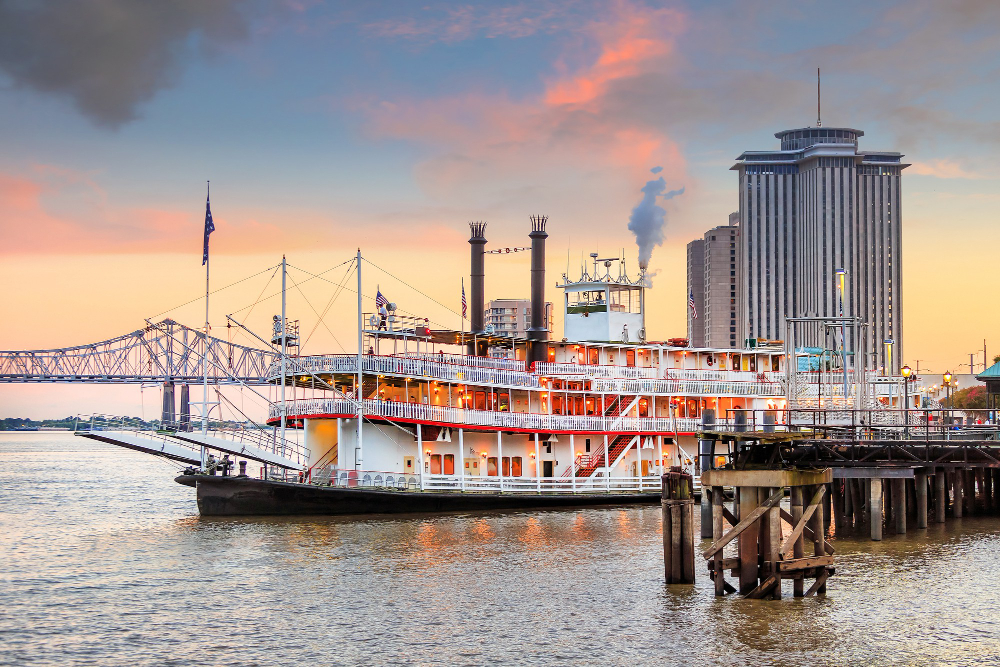
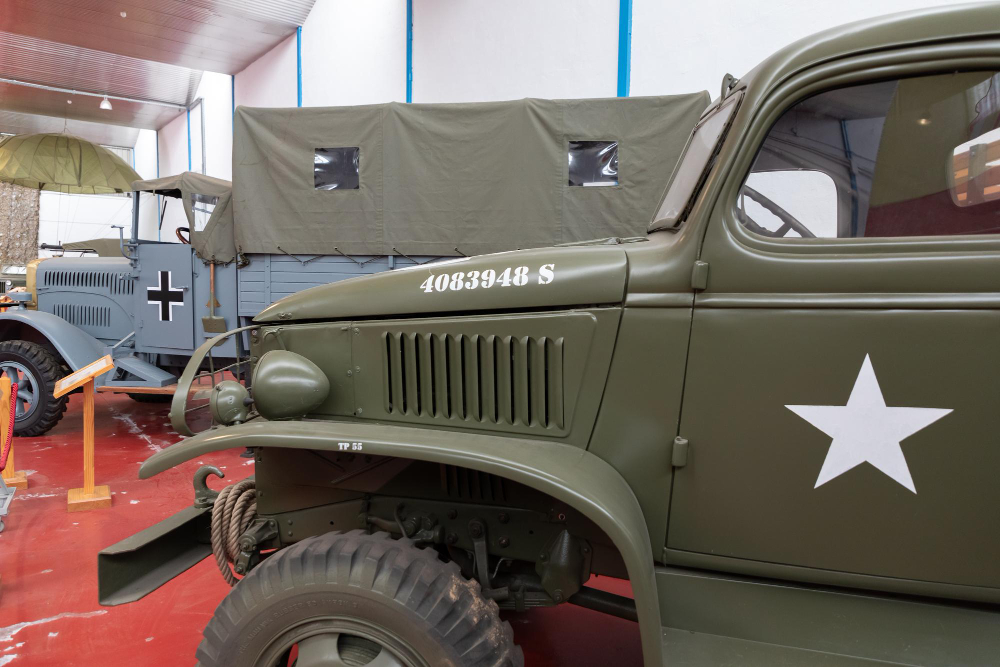
含まれるアトラクション: 国立第二次世界大戦博物館、外輪船クレオール クイーン クルーズ、アルティメット スワンプ アドベンチャーズなど。
使い方対象作品:
あなたの旅行に合ったパスを選択してください。
Go City アプリを介して携帯電話にパスをダウンロードします。
各アトラクションで入場時にパスを提示してください。追加料金はかかりません。
購入してキャンセル:
で購入: https://gocity.com/en/new-orleans
アクティベートされていないパスは、購入日から 90 日以内であれば払い戻しの対象となります。
空港:
ルイ アームストロング ニューオーリンズ国際空港 (MSY) は、障害のある旅行者や車椅子ユーザーがアクセスしやすいように設計されています。ここでは、身体の不自由な方にご利用いただける施設とサービスの詳細を提供します。
ADA の施設: 空港には、ADA に従ってバリアフリーのトイレ施設があります。空港内と空港外の両方に、アクセシブルなペット救護エリアもあります。
縁石からチェックインカウンターやゲートまで車椅子での移動は、航空会社が提供しています。このサービスは、フライトを予約する際に航空会社のウェブサイトでリクエストする必要があります。
隠れ障害者プログラム: このプログラムにより、空港スタッフはひまわりのストラップやブレスレットを使用して、追加レベルの顧客サービスが必要な人々を特定できます。ただし、ストラップの着用は TSA での優遇措置を保証するものではありません。
点字表記: エレベーター内、すべてのドアと非常口の外側に点字表記とボタンがあります。
駐車場: すべての空港駐車場には、身体の不自由なお客様のための 24 時間利用できる駐車スペースがあり、通常は近くの隣にあります。
その他の考慮事項
TSA Cares: 障害、病状、その他の特別な状況を持つ旅行者に、セキュリティ検査プロセス中に追加の支援を提供するヘルプラインです。検査方針、手順、保安検査場での対応についてご質問がある場合は、72 時間前までに TSA にご連絡いただくことをお勧めします。
詳しい情報と詳細なサポートについては、ルイ アームストロング ニューオーリンズ国際空港の Web サイトをご覧ください。
お問い合わせ詳細:
- 電話: (+1) (504) 303-7790
- 電子メール: [email protected]
- ウェブ: 空港からhttps://flymsy.com/ Transportationダウンタウン:
ルイ アームストロング ニューオーリンズ国際空港 (MSY) からダウンタウンまでは、身体の不自由な方や車椅子ユーザー向けにいくつかの交通手段が用意されています:
JeTEExpressBus
ルートE-2: MSY空港とニューオーリンズの中心業務地区間のサービスを提供します。
JeTバスは車椅子でアクセスでき、RTA(地域交通局)が運行するものと同じバリアフリー機能を提供します。
曜日や時間に関係なく、JeT E-2は常にニューオーリンズのRTAバスシステムへの接続サービスを提供します。オーリンズ。
タクシー:
ニューオーリンズで車両を導入している 2 社を紹介します。
NOLA タクシーを移動派遣:
ニューオーリンズの便利なタクシーサービスです。利用できるタクシーの数は限られていますが、空港からダウンタウンまでの直接送迎のオプションです。
デイブ交通手段:
この会社は、あらゆるサイズの車椅子に対応できる ADA 準拠の適合車両による医療およびレジャー輸送サービスを提供しています。乗客の安全と快適さを優先しており、ドライバーは CPR 認定を受けています。
連絡先詳細
- 電話: (+1)504 875-4151
- 電子メール: [email protected]
- ウェブ: www.davetransportation.comAirport シャトル
MSY空港とニューオーリンズ市内のほとんどのホテル/エリア間のアクセス可能なシャトルサービスがあります。
予約: 事前に会社に連絡して予約することをお勧めします。アクセス可能なシャトルです。
料金: シャトル サービスの料金は片道 $20.00、往復 $38.00 です。
- ウェブサイト: https://www.airportshuttleneworleans.com/ Transportation 市内:
In Newオルレアンでは、バス、タクシー、路面電車など、車椅子の人に適した交通手段がいくつかあります。ここでは、これらのオプションの詳細を説明します:
バス - 地域交通局 (RTA)
アクセシビリティ: RTA バスは車椅子ユーザーに対応する設備が整っています。バス車内にはスロープまたはリフトがあり、指定されたスペースがあります。
ルート: RTA バスは、重要な乗り継ぎや観光地を含む市内のさまざまなルートをカバーしています。
運賃: 運賃は 1 回の旅行につき 1.25 ドルで、障害をお持ちの利用者には割引料金が適用される場合があります。 fares.
Taxis:
As we mentioned earlier, here are 2 companies that have adapted vehicles in New Orleans.
Move NOLA Taxi配車:
ニューオーリンズで利用しやすいタクシー サービスです。利用できるタクシーの数は限られていますが、空港からダウンタウンまでの直接送迎のオプションです。
デイブ交通手段:
この会社は、あらゆるサイズの車椅子に対応できる ADA 準拠の適合車両による医療およびレジャー輸送サービスを提供しています。乗客の安全と快適さを優先しており、ドライバーは CPR 認定を受けています。
連絡先詳細
- 電話: (+1)504 875-4151
- 電子メール: [email protected]
- ウェブ: www.davetransportation.comStreetcars - ニューオーリンズ RTA
アクセシビリティ: すべての路面電車が車椅子ユーザーにアクセスできるわけではありません。カナル・ストリートとリバーフロントの路線を運行する赤い路面電車はアクセス可能で、電動エレベーターと安全エリアが備わっています。
ルート: アクセス可能な路線を利用して、景色を楽しみながら市内の主要エリアを探索できます。
フェリー:
ニューのほとんどのフェリーオルレアンは車椅子でアクセスできます。これらはミシシッピ川を渡るのに便利な方法です。適合ボートを備えた 2 社の連絡先詳細はこちらです。
Ride Line:
- 2817 Canal Street, New Orleans, LA 70119, United States。
- 電話: (+1) 504-248-3900 (毎日午前 5 時から午後 8 時までご利用いただけます)。
- 電子メール: [email protected].
アルジェフェリー:
- 1 Canal St., New Orleans, LA 70130.
- 電話: (504) 250-9110.
- フェリー運行状況: (504) 309-9789.
フレンチ クォーターまたはヴュー カレ:
車椅子でニューオーリンズのフレンチ クォーターを探索すると、歴史と現代文化が織りなす鮮やかなタペストリーの世界に浸ることができます。ヴュー カレとしても知られるこの象徴的な地区は、この街の豊かな過去とその不屈の精神の生きた証です。
旅は、フレンチ クォーターの中心部にある静けさと美しさのオアシス、ジャクソン スクエアから始まります。壮大な歴史的建造物と緑豊かな庭園に囲まれたこの広場は、アーティスト、ミュージシャン、占い師の人気の集まりの場です。車椅子をご利用の場合は、よく舗装された道を問題なく進むことができ、何世紀にもわたる歴史を見てきた建築の象徴である堂々としたセントルイス大聖堂の眺めを楽に楽しむことができます。
ロイヤル ストリートに向かって進むと、それぞれに独自の歴史とユニークな宝物を持つアンティーク ショップ、アート ギャラリー、宝石店の世界が見えてきます。これらのショップのアクセスのしやすさはさまざまですが、多くのショップは平らな入り口と広々としたスペースを備えており、その魅力を探索しやすくなっています。
活気に満ちたナイトライフで知られるバーボン ストリートでは、まったく異なる体験ができます。混雑や平坦でない道のため、一部のエリアはさらに複雑になる可能性がありますが、お祭りの雰囲気は伝染します。バーボン ストリートの有名なバーやクラブは、すべてが完全にアクセスできるわけではありませんが、多くの場合、車椅子ユーザーが音楽や雰囲気を楽しめる地上エリアを備えています。
比類のない美食を抜きにしてフレンチ クォーターを語ることはできません。歴史あるクレオール料理のレストランからオープンエアのカフェまで、あらゆる好みに合わせた選択肢があります。ベニエやカフェオレで有名な伝説的なカフェ デュ モンドなどのレストランもアクセス可能で、居心地の良い環境の中でニューオーリンズの伝統的な味を味わうことができます。
歴史と文化に興味がある人には、ヒストリック ニューオーリンズ コレクションで街の過去を知ることができます。この博物館と研究センターの一部にはアクセシビリティの問題があるかもしれませんが、可能な限り包括的な体験を提供するための努力が払われています。
夕方から夜に変わるにつれて、フレンチ クォーターは変わります。ナイトクラブから流れる音楽に合わせてネオンが明滅し、通りはストリート ミュージシャン、物売り、観光客のグループで活気に満ちます。
ツアーが終わりに近づくにつれて、フレンチ クォーターが単なる観光地ではなく、ニューオーリンズの回復力と文化的多様性の証であることが明らかです。歴史的インフラストラクチャーが示す可能性のある課題にもかかわらず、この地区はこの点で大きく改善され、あらゆる能力の訪問者がその豊かな歴史と活気に満ちた現在を体験できるようになりました。
トレメ地区:
ニュー・トレメ地区有名なフレンチ クォーターの隣に位置するオルレアンは、歴史、文化、音楽があふれる場所です。米国で最初のアフリカ系アメリカ人の自由入植地の 1 つとして知られ、この街の豊かな遺産に没頭できる体験を提供します。トレメのツアーを始めるときは、その歴史的重要性を理解することが不可欠です。 1812 年に設立されたこの地区は、アフリカ系アメリカ人とクレオール文化の中心地です。ここでは、音楽、芸術、文化的抵抗運動が何世紀にもわたって栄え、偉大なジャズ ミュージシャンや活気に満ちたストリート アート シーンが生まれました。
車椅子をご利用の場合、トレメの探索はエキサイティングな体験になるでしょう。歴史的な通りや歩道による困難にもかかわらず、近隣' の主要観光スポットやレストランの多くはアクセス可能だからです。最初の興味深いスポットの 1 つは、バックストリート文化博物館でしょう。ここには、マルディグラ インディアンの衣装、写真、地域 23 地区のユニークな伝統の物語を伝える工芸品の印象的なコレクションが収蔵されています。博物館はすべての訪問者がアクセスできるよう努めていますが、特定の車椅子設備を事前に確認することをお勧めします。
散歩を続けると、カラフルなクレオール住宅や散弾銃のコテージなど、この地域の特徴的な建築物を楽しむことができます。その多くはハリケーン カトリーナの後に修復されています。歩道はでこぼこしている場合もありますが、トレメの通りは通常、フレンチ クォーターよりも混雑が少なく、車椅子での移動が容易です。
トレメの重要な側面は、その音楽です。有名なキャンドルライト ラウンジのようなジャズやブルースのクラブは、コミュニティの柱です。すべての会場が完全にアクセスできるわけではありませんが、多くの会場には車椅子ユーザーがライブ音楽を楽しめる地上エリアがあります。事前に会場に連絡してアクセスを確認し、必要に応じて特別な手配をすることをお勧めします。
トレメの料理も魅力の一つです。フライド チキンで知られる Willie Mae's Scotch House のようなレストランでは、本格的なニューオーリンズ料理を体験でき、通常は車椅子でアクセスできます。さらに、エリア' のレストランやカフェの多くには屋外テラスがあり、アクセスが簡単です。
宗教の歴史と建築に興味がある人にとって、米国最古のアフリカ系アメリカ人教会であるセント オーガスティン カトリック教会は必見です。この教会は礼拝の場であるだけでなく、ニューオーリンズ' アフリカ系アメリカ人コミュニティの歴史と回復力の証でもあります。
最後に、トレメへの旅は、地元の住民やミュージシャンがジャズやファンクのリズムに合わせて通りを行進する伝統であるセカンド ライン パレードを体験せずには終わりません。これらのパレードはアクセス可能で、トレメを定義する喜びとコミュニティの精神に浸る素晴らしい機会を提供します。
結論として、トレメは探検を誘い、ニューオーリンズの歴史と文化へのユニークな窓を提供する地域です。車椅子に乗っている人にとって、課題はあるものの、近隣はほとんどアクセス可能であり、豊かな文化的および感覚的な経験を提供します。
クレオール クリーマリー: https://creoreamery.com/
おいしい自家製アイスクリームとさまざまなユニークなフレーバーで知られています。店内は車椅子でもご利用いただけるよう、緩やかなスロープが設置されており、スムーズにご来店いただけます。アイスクリームの創造性と品質で有名で、伝統的なフレーバーやオリジナルのフレーバーを幅広く揃えた独特の料理体験を、明るく家族向けの雰囲気の中で提供しています。
住所と連絡先:
- 6260 Vicksburg St., New Orleans, LA 70001
- 電話: (+1) (504) 482-2924
ラ・プティ食料品店: https://www.etitegrocery.com/
ジェームズ・ビアード賞を受賞したシェフ、ジャスティン・デビリエが率いるこのエレガントなビストロでは、ニューオーリンズ・ケイジャン風のアレンジを加えた素晴らしいフランス料理を提供しています。レストランはトイレも含めてご利用いただけます。 La Petite Grocery は、ニューオーリンズ' の豊かな歴史に敬意を表し、タートル ボロネーゼやワタリガニのベニエなどのランチ、ディナー、ブランチ サービスを提供しています。このレストランは、Eater'のアメリカ'のベストレストラン38のリストに掲載されるなど、地元および全国的に認められています。
住所と連絡先:
- 4238 Magazine St, New Orleans, LA 70115
- 電話: (+1) 504.891.3377
GW Fins: https://gwfi.om/
フレンチ クォーターにある傑出したシーフード レストラン、GW Fins では、新鮮なメニューを日替わりで提供しています。市内で最もアクセスしやすいレストランの 1 つで、移動に十分なスペースがあり、トイレにも簡単にアクセスできます。メニューはその日一番新鮮な魚介類を使用して毎晩印刷され、ワインリストは2002年以来毎年ワイン・スペクテーターによって認められています。GW FinsはOpenTableによって米国のトップ100レストランの1つに選ばれており、数千件のレビューに基づいて優れた評価を誇っています。
住所と連絡先:
- 808 Bienville Street, New Orleans, LA, 70112 (Bourbon Street と Dauphine Street の間)
- 電話: (+1) (504) 581-3467
これらのレストランは、おいしい料理を提供するだけでなく、車椅子をご利用の訪問者にとってのアクセスと快適さを確保しています。