Bekanntlich ist Washington D.C. die Hauptstadt der Vereinigten Staaten, doch sie ist weit mehr als der Sitz der politischen Macht; sie ist eine Stadt, die in jedem ihrer Winkel Geschichte, Kultur und Vielfalt ausstrahlt. Für Reisende im Rollstuhl verspricht Washington nicht nur ein barrierefreies Reiseziel zu sein, sondern auch ein einzigartiges Fenster zu den faszinierendsten Facetten Amerikas.
Am Ufer des Potomac River gelegen, wurde die Stadt Washington D.C. bewusst als nationale Hauptstadt konzipiert. Es ist eine Stadt, die aus Kompromissen, Debatten und Visionen entstanden ist. Ihre strategische Lage auf halbem Weg zwischen dem industrialisierten Norden und dem landwirtschaftlich geprägten Süden symbolisiert die Verschmelzung und Einheit einer wachsenden Nation.
Wussten Sie, dass Washington D.C. zu keinem Bundesstaat gehört? Es ist eine eigenständige Einheit, die als Bundesdistrikt bekannt ist. Diese Besonderheit wurde beschlossen, damit keine einzelne staatliche Instanz Macht über die Hauptstadt des Landes hat. Darüber hinaus beherbergt diese Stadt nicht nur Regierungsgebäude und Denkmäler, sondern auch geschichtsträchtige Stadtviertel. Georgetown zum Beispiel ist älter als die Idee von Washington D.C. selbst, und seine Kopfsteinpflasterstraßen und Kolonialhäuser lassen eine lebendige Vergangenheit erahnen.
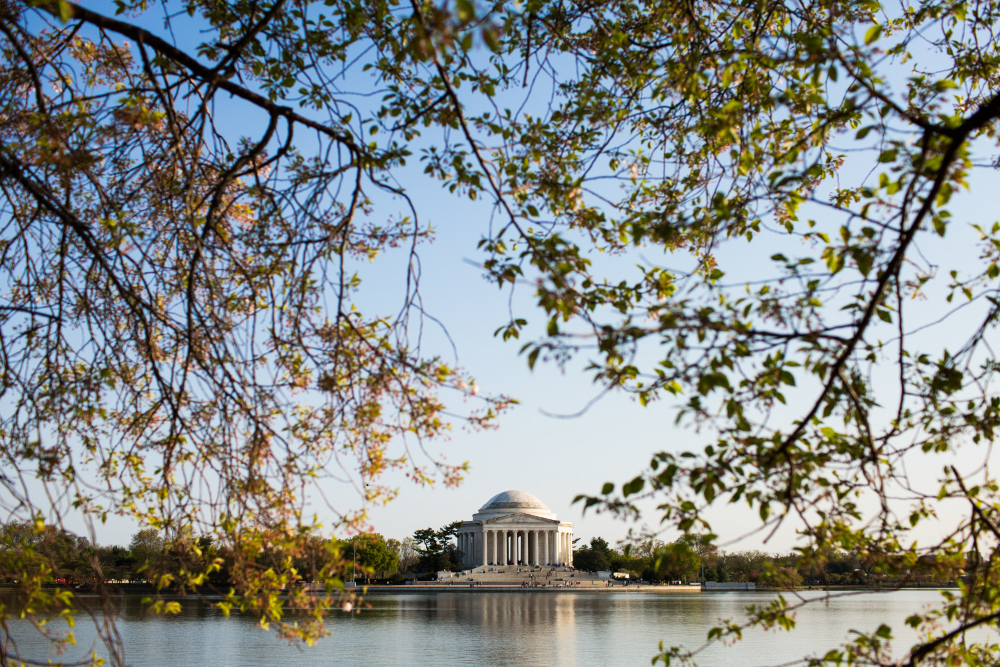
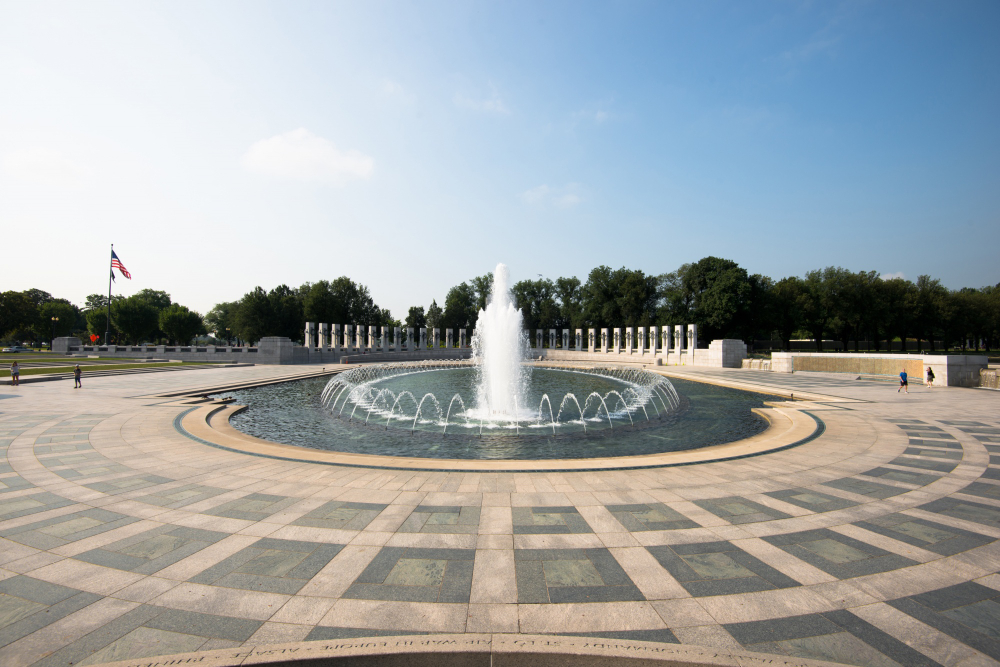
Diese Stadt war Zeuge unzähliger Ereignisse, die den Lauf der Nation geprägt haben: Demonstrationen für Bürgerrechte, unvergessliche Reden auf der National Mall und Amtseinführungen, die den Beginn neuer Epochen markiert haben. Jedes Denkmal, jedes Bundesgebäude und sogar jeder Park hat eine Geschichte zu erzählen, die nur darauf wartet, entdeckt zu werden.
Für Touristen mit eingeschränkter Mobilität macht das Engagement für Inklusion und Barrierefreiheit D.C. zu etwas Besonderem. Die Stadt hat große Anstrengungen unternommen, um sicherzustellen, dass ihre reiche Geschichte und Kultur für alle zugänglich sind. Breite Alleen, barrierefreie Parks und angepasste öffentliche Verkehrsmittel zeugen von einem gemeinsamen Bemühen, damit jeder, unabhängig von seiner Mobilität, in das Wesen der Hauptstadt eintauchen kann.
Aber was wäre eine Stadt ohne ihre Aromen und kulinarischen Traditionen? Wenn es ein Gericht gibt, das man in D.C. unbedingt probieren muss, dann ist es der "Half-Smoke", eine Art geräucherte Wurst, die meist in einem Hotdog-Brötchen mit Chili, Zwiebeln und Senf serviert wird. Es ist eine Delikatesse, die man in Lokalen in der ganzen Stadt findet, wobei "Ben's Chili Bowl" einer der berühmtesten Orte ist, um sie zu kosten.
Praktische Informationen:
- Zeitzone: Sie liegt in der Zeitzone GMT-5.
- Höhe: Die Höhe ist nicht sehr hoch und liegt bei etwa 25 Metern über dem Meeresspiegel.
- Währung: Die offizielle Währung ist der US-Dollar.
- Telefonvorwahl: +1.
Die Hauptstadt hat auch in Sachen Barrierefreiheit große Anstrengungen unternommen. Über die breiten Boulevards und barrierefreien Parks hinaus werden Sie feststellen, dass viele ihrer Denkmäler, Museen und Sehenswürdigkeiten für Rollstuhlfahrer geeignet sind. Diese Anpassung zeugt vom Engagement der Stadt, dafür zu sorgen, dass ihre reiche Geschichte und Kultur für alle zugänglich sind, und wir werden einige davon später ausführlicher erläutern.
Andererseits ist es unmöglich, über Washington D.C. zu sprechen, ohne seine Menschen zu erwähnen. Es ist eine Bevölkerung, die nicht nur unglaublich vielfältig ist, sondern diese Vielfalt in all ihren Formen schätzt und feiert. Von kulturellen Veranstaltungen bis hin zu politischen Demonstrationen ist D.C. ein lebendiges Zeugnis der Meinungsfreiheit und dafür, wie unterschiedliche Stimmen an einem Ort zusammenfinden können.
Wenn Sie in das Erlebnis Washington D.C. eintauchen, werden Sie nicht nur die Grundlagen einer Nation entdecken, sondern auch die Geschichten, Kuriositäten und Aromen, die diese Stadt zu einem einzigartigen Reiseziel ihrer Klasse machen. Ob Sie hier sind, um ihre Vergangenheit zu erkunden, ihre Gegenwart zu genießen oder von ihrer Zukunft zu träumen – D.C. empfängt Sie mit offenen Armen!
Der Tourismus in Washington D.C. ist eine bedeutende Branche, weshalb mehrere Touristeninformationsstellen zur Verfügung stehen, um Besuchern zu helfen. Hier stellen wir Informationen zu einigen der wichtigsten Touristeninformationsstellen bereit, einschließlich Details zu ihrer Barrierefreiheit:
Washington D.C. Visitor Center
Barrierefreiheit: Das Zentrum ist rollstuhlgerecht und verfügt bei Bedarf über Rampen und Aufzüge.
Toiletten: Mit barrierefreien Einrichtungen ausgestattet.
Sie bieten: Karten, Broschüren, Informationen über Touren und Veranstaltungen, Ermäßigungen und persönliche Empfehlungen. Zweisprachiges Personal verfügbar.
Adresse und Kontakt:
- 901 7th St NW, Washington, D.C. 20001, USA
- Telefon: (+1) 202-789-7000
- Website: washington.org
Informationsstand an der Union Station
Barrierefreiheit: Die Union Station ist als einer der wichtigsten Verkehrsbahnhöfe der Stadt rollstuhlgerecht.
Toiletten: Angepasste Toiletten für Menschen mit eingeschränkter Mobilität.
Sie bieten: Informationen über öffentliche Verkehrsmittel, Touristenkarten, Broschüren und Details zu nahe gelegenen Sehenswürdigkeiten.
Adresse und Kontakt:
- 50 Massachusetts Ave NE, Washington, D.C. 20002, USA
- Telefon: (+1) 202-289-1908
- Website: unionstationdc.com
Informationsstelle am Washington-Dulles International Airport
Barrierefreiheit: Der Flughafen ist so konzipiert, dass er vollständig barrierefrei ist, einschließlich geeigneter Beschilderung, Rampen und Aufzüge.
Toiletten: Angepasste Toiletten sind an verschiedenen Punkten im gesamten Flughafen verfügbar.
Sie bieten: Informationen über den Transport zum und vom Flughafen, Stadtpläne, Touristenbroschüren und Details zu den Flughafendiensten.
Adresse und Kontakt:
- 1 Saarinen Cir, Dulles, VA 20166, USA
- Telefon: (+1) 703-572-2700
- Website: flydulles.com
Flughäfen: In Washington DC gibt es 2 Flughäfen, den Washington D.C. Airport (auch bekannt als Washington Dulles International Airport) und den Ronald Reagan National Airport. Hier beschreiben wir beide Flughäfen hinsichtlich der Barrierefreiheit für Menschen mit eingeschränkter Mobilität.
Dulles Airport:
Dieser Flughafen ist der Barrierefreiheit und dem Komfort aller seiner Passagiere verpflichtet, einschließlich derjenigen mit eingeschränkter Mobilität oder im Rollstuhl.
Vom Moment Ihrer Ankunft am Flughafen an stehen Assistenzdienste zur Verfügung, die Ihnen helfen, sich durch das Terminal zu bewegen, vom Check-in bis zum Boarding-Gate.
Die gesamte Infrastruktur des Flughafens ist barrierefrei gestaltet, einschließlich geeigneter Rampen und breiter Aufzüge, die einen einfachen und sicheren Transit gewährleisten.
Die Wartebereiche sind mit ausgewiesenen Plätzen für Rollstuhlfahrer ausgestattet, die genügend Platz zum Manövrieren und bequemen Verweilen bieten.
Der Flughafen verfügt in jedem Terminal über mehrere angepasste Toiletten, die breiter für einen einfachen Zugang und die Bewegung eines Rollstuhls sind und mit Haltegriffen sowie Waschbecken in geeigneter Höhe ausgestattet sind.
Wenn Sie sich zwischen Terminals oder anderen Bereichen des Flughafens bewegen müssen, stehen angepasste Transportsysteme wie Züge und Busse mit ausgewiesenen Plätzen für Rollstühle und bei Bedarf Assistenz zur Verfügung.
Der Parkplatz verfügt über ausgewiesene und günstig gelegene Stellplätze für Fahrzeuge mit Behindertenausweis in der Nähe der Terminaleingänge.
Zusätzliche Dienstleistungen: Wenn Sie zusätzliche Ausrüstung wie Rollstühle oder Mobilitätshilfen benötigen, bietet der Flughafen Vermietungs- oder Leihdienste an. Es ist ratsam, die Fluggesellschaft im Voraus zu benachrichtigen, um die Verfügbarkeit und Bereitschaft bei Ihrer Ankunft sicherzustellen.
Ein- und Aussteigen: Fluggesellschaften bieten in der Regel ein bevorzugtes Boarding für Rollstuhlfahrer oder Personen mit eingeschränkter Mobilität an.
Es ist immer ratsam, Ihre Bedürfnisse im Voraus mitzuteilen, sowohl dem Flughafen als auch der Fluggesellschaft, um ein optimales Reiseerlebnis zu gewährleisten.
Ronald Reagan Airport:
Der Ronald Reagan Washington National Airport (DCA) ist einer der wichtigsten Zugangspunkte zur US-Hauptstadt und ist dem Komfort und der Barrierefreiheit aller seiner Passagiere verpflichtet. Wenn Sie im Rollstuhl sitzen, finden Sie verschiedene auf Ihre Bedürfnisse abgestimmte Einrichtungen.
Bei Ihrer Ankunft am Flughafen können Sie Assistenzdienste anfordern, die Ihnen helfen, sich vom Ankunfts- oder Check-in-Bereich zum Boarding-Gate zu bewegen.
DCA ist so konzipiert, dass er vollständig barrierefrei ist, einschließlich Rampen und geräumiger Aufzüge für einen bequemen und sicheren Transit im gesamten Flughafen.
Die Wartebereiche, einschließlich der VIP-Lounges, verfügen über speziell ausgewiesene Plätze für Rollstuhlfahrer, die genügend Platz für eine einfache Fortbewegung und ein bequemes Verweilen bieten.
Im gesamten Flughafen finden Sie Toiletten mit verbesserter Barrierefreiheit, die breiter für einen einfachen Rollstuhlzugang und die Bewegung sind und mit Haltegriffen und anderen Einrichtungen ausgestattet sind.
Interner Transport: Das Design von DCA ist recht kompakt, aber wenn Sie sich zwischen Terminals oder innerhalb desselben bewegen müssen, gibt es angepasste Transportsysteme mit ausgewiesenen Plätzen für Rollstühle.
Die für Fahrzeuge mit Behindertenausweis ausgewiesenen Parkbereiche sind strategisch in der Nähe der Ein- und Ausgänge gelegen, um den Zugang zu den Terminals zu erleichtern.
Die Informationspunkte im gesamten Flughafen sind mit Personal besetzt, das darin geschult ist, Passagieren mit besonderen Bedürfnissen Orientierung und Unterstützung zu bieten.
Zusätzliche Dienstleistungen: Wenn Sie zusätzliche Hilfsmittel wie einen Rollstuhl benötigen, bieten der Flughafen und die Fluggesellschaften in der Regel Leihdienste an. Es wird empfohlen, die Fluggesellschaft im Voraus zu benachrichtigen, um sicherzustellen, dass bei Ihrer Ankunft alles bereit ist.
Ein- und Aussteigen: Die am DCA operierenden Fluggesellschaften bieten ein bevorzugtes Boarding für Rollstuhlfahrer oder Personen mit eingeschränkter Mobilität an. Teilen Sie Ihre Bedürfnisse unbedingt dem Personal der Fluggesellschaft beim Check-in oder bei der Ankunft am Boarding-Gate mit.
Transport vom Flughafen ins Stadtzentrum:
Vom Washington Dulles International Airport (IAD):
Silver Line Express Bus:
Verbindet den Flughafen mit der Metrostation "Wiehle-Reston East" der Silver Line. Von dort aus können Sie die Metro ins Zentrum von Washington D.C. nehmen. Die Stationen und Züge sind rollstuhlgerecht.
Taxis und Fahrdienste:
Am Flughafen sind rollstuhlgerechte Taxis verfügbar. Dienste wie Uber und Lyft bieten Optionen für Passagiere mit Mobilitätsbedürfnissen an (z. B. Uber WAV und Lyft Access).
Kontaktinformationen für Yellow Cab:
Uber-WAV-Website zur Buchung eines angepassten Taxis in Washington D.C.: https://www.uber.com/global/es/cities/washington-dc/
Shuttle-Dienste: Einige Shuttle-Dienste bieten angepasste Fahrzeuge an. Es ist ratsam, im Voraus zu buchen, um die Verfügbarkeit sicherzustellen.
Vom Ronald Reagan National Airport (DCA):
Washington Metro (WMATA):
DCA ist direkt mit der blauen und gelben Linie der Washington Metro verbunden. Die Stationen und Züge sind rollstuhlgerecht. Sie können die Metro direkt vom Flughafen ins Zentrum von Washington D.C. nehmen.
Taxis und Fahrdienste:
Ähnlich wie am IAD gibt es rollstuhlgerechte Taxis und Fahrdienstoptionen.
Shuttle-Dienste:
Auch hier ist es möglich, Shuttle-Dienste mit angepassten Fahrzeugen zu finden, aber eine Buchung im Voraus wird empfohlen.
An beiden Flughäfen ist es, wenn Sie sich für öffentliche Verkehrsmittel entscheiden, ratsam, sich nach der Verfügbarkeit von Aufzügen und Rampen an den Ziel- oder Umsteigestationen zu erkundigen, um eine reibungslose Reise zu gewährleisten. Auch das Mitteilen Ihrer Bedürfnisse im Voraus ist immer hilfreich, um ein reibungsloses Erlebnis sicherzustellen.
Transport innerhalb der Stadt:
Washington D.C. ist bekannt für sein Engagement für Barrierefreiheit, das sich in den verschiedenen angepassten Transportmöglichkeiten widerspiegelt, die innerhalb der Stadt für Rollstuhlfahrer und Menschen mit anderen Mobilitätsbedürfnissen zur Verfügung stehen.
Washington Metro (WMATA):
Die Metrostationen sind mit Aufzügen und Rampen ausgestattet. Die Züge verfügen über ausgewiesene Plätze für Rollstühle. Es ist wichtig, vor der Fahrt den Status der Aufzüge zu überprüfen. WMATA stellt Aktualisierungen auf ihrer Website und in ihrer mobilen App bereit.
Metrobus:
Alle Metrobusse sind mit Rampen oder Hubplattformen und ausgewiesenen Plätzen für Rollstühle ausgestattet. Die meisten Bushaltestellen in der Stadt sind barrierefrei und ordnungsgemäß gekennzeichnet.
DC Circulator:
Diese Buslinie führt durch die wichtigsten Sehenswürdigkeiten und Stadtbereiche. Alle DC-Circulator-Busse sind barrierefrei, mit Hubplattformen und Platz für Rollstühle.
Barrierefreie Taxis:
Washington D.C. verfügt über eine Flotte barrierefreier Taxis, die für die Aufnahme von Rollstühlen ausgestattet sind. Sie können eines über die wichtigsten Taxiunternehmen der Stadt oder über mobile Apps anfordern. Kontaktinformationen für Yellow Cab:
Fahrdienste:
Dienste wie Uber und Lyft bieten angepasste Optionen für Passagiere mit besonderen Bedürfnissen an, wie zum Beispiel Uber WAV, das über Fahrzeuge mit Rampen und anderen Anpassungen verfügt.
Uber-WAV-Website: https://www.uber.com/global/es/cities/washington-dc/
Behindertenfahrdienst - MetroAccess:
Für diejenigen, die aufgrund einer Behinderung die Metro oder den Bus nicht nutzen können, bietet WMATA einen Behindertenfahrdienst namens MetroAccess an. Es handelt sich um einen Tür-zu-Tür-Service, der jedoch eine Berechtigung und eine Buchung im Voraus erfordert.
MetroAccess-Kundenservice: Telefon: (+1) 301-562-5360 (TTY 301-588-7535), Servicezeiten: 8:30 bis 17:00 Uhr, Montag bis Freitag, Buchungszeiten: 8:00 bis 16:30 Uhr, Montag bis Freitag; und 8:00 bis 16:00 Uhr samstags, sonntags und an einigen Feiertagen.
Für MetroAccess-Reservierungen:
Georgetown:
Washington D.C. ist weltweit für seine imposanten Denkmäler und Regierungsgebäude bekannt. Das wahre Herz der Stadt findet sich jedoch in ihren Vierteln, unter denen Georgetown als das authentischste hervorsticht. Mit seinen Kopfsteinpflasterstraßen und historischen Häusern bietet Georgetown eine Reise in die Vergangenheit und enthüllt die reiche Geschichte der Hauptstadt. Für diejenigen, die sich im Rollstuhl fortbewegen, ist es dank der in den letzten Jahren umgesetzten Verbesserungen der Barrierefreiheit möglich, Georgetown zu erkunden.
Unser Rundgang beginnt an der Uferpromenade des Potomac River, bekannt als "Georgetown Waterfront Park". Dieser Park wurde mit Blick auf die Barrierefreiheit gestaltet, mit gut gepflasterten Wegen, die es Ihnen ermöglichen, den Blick auf den Fluss und die Skyline der Stadt zu bewundern. Es ist ein perfekter Ort, um einen ruhigen Vormittag zu genießen und den Booten und Kajaks zuzusehen, die über das Wasser gleiten.
Vom Park aus begeben wir uns zur M Street NW, der Hauptschlagader von Georgetown. Diese Straße, voller Geschäfte, Restaurants und Cafés, verbindet das Moderne mit dem Historischen. Obwohl die Kopfsteinpflasterstraßen für einen Rollstuhl herausfordernd erscheinen mögen, wurden die meisten Gehwege für eine bessere Barrierefreiheit eingeebnet und verbreitert. Geschäfte und Restaurants haben erhebliche Anstrengungen unternommen, um inklusiv zu sein, und bieten barrierefreie Eingänge und geräumige Innenräume.
Wenn wir die M Street weiter entlanggehen und nach Westen abbiegen, gelangen wir in das Wohnherz von Georgetown. Hier erzählen rote Backsteinhäuser und blühende Innenhöfe Geschichten aus vergangenen Jahrhunderten. Ein unverzichtbarer Halt ist das "Old Stone House", das älteste Bauwerk in Washington D.C., erbaut im Jahr 1765. Obwohl der Zugang zum Inneren für Rollstühle aufgrund seines historischen Charakters eingeschränkt sein kann, ist der hintere Garten barrierefrei und bietet einen ruhigen Ort zum Ausruhen.
In Richtung Norden erreichen wir die Georgetown University. Dieser historische Campus mit seinen gotischen Gebäuden und grünen Gärten ist ein Zeugnis der bildungspolitischen Bedeutung der Stadt. Die Hauptbereiche des Campus wurden barrierefrei gestaltet, einschließlich Rampen und Aufzügen in den wichtigsten Gebäuden. Die lebendige Atmosphäre mit Studenten aus aller Welt verleiht dem Viertel jugendliche Energie.
Um unseren Rundgang durch dieses Viertel abzuschließen, begeben wir uns zu Dumbarton Oaks, einem Museum und historischen Garten im Herzen von Georgetown. Der von der berühmten Architektin Beatrix Farrand gestaltete Garten ist ein verstecktes Juwel. Obwohl einige Bereiche aufgrund von Steigungen und schmalen Wegen schwer zu durchqueren sein können, gibt es ausgewiesene barrierefreie Routen, um ein angenehmes Erlebnis für alle zu gewährleisten.
Georgetown ist ein Viertel, das das Beste aus beiden Welten vereint: die reiche Geschichte von Washington D.C. und die Modernität einer sich ständig weiterentwickelnden Stadt. Obwohl sein historisches Wesen gewisse Herausforderungen in Bezug auf die Barrierefreiheit mit sich bringt, haben bewusste Bemühungen der Gemeinschaft dafür gesorgt, dass jeder, unabhängig von seinen körperlichen Fähigkeiten, seinen Charme genießen kann.
Founding Farmers: wearefoundingfarmers.com
Überblick: Bekannt für seine hausgemachten Gerichte und sein Engagement für nachhaltige Landwirtschaft, größtenteils im Besitz amerikanischer Familienbauern. Das Restaurant bietet ein umfassendes Erlebnis mit verschiedenen Sitzmöglichkeiten, darunter gemeinschaftliche Bauerntische und siloförmige Nischen.
Barrierefreiheit: Aufzug und Treppen für den Zugang zu seinen zwei Etagen, um die Barrierefreiheit für alle Besucher zu gewährleisten. Toiletten sind auf beiden Etagen verfügbar. In der Nähe gibt es gebührenpflichtige Straßenparkplätze sowie einen Parkplatz davor, was Besuche erleichtert.
Signature-Gerichte: Skillet Cornbread, Glazed Bacon Lollis, Chicken Pot Pie, Shrimp & Grits, Andouille, Yankee Pot Roast und, besonders hervorzuheben, das, was sie als die besten Chicken & Waffles in Washington, D.C. bezeichnen.
Adresse und Kontakt:
- 1924 Pennsylvania Ave NW, Washington, DC 20006
- Telefon: (+1) 202-822-8783
Old Ebbitt Grill: ebbitt.com
Überblick: Bietet eine Vielzahl von Menüs, darunter Ganztagsmenü, Brunch, spätes Abendessen, Frühstück, Weine, Biere, Spirituosen, Kindermenü und Desserts. Bekannt für seine Raw Bar mit Austern von beiden Küsten, Venusmuscheln, Garnelen und Maine-Hummer.
Lage: In der Nähe des Weißen Hauses und gegenüber dem Finanzministerium gelegen.
Barrierefreiheit: In der Nähe der Station "Metro Center" mit blauer, oranger, roter und grüner Linie. Erfüllt die ADA-Standards für Barrierefreiheit.
Adresse und Kontakt:
- 675 15th Street NW, Washington, DC 20005
- Telefon: (+1) 202-347-4800
L’Ardente Restaurant: lardente.com
Überblick: Bietet ein zeitloses italienisches kulinarisches Erlebnis. Dieses italienische Restaurant serviert moderne Gerichte, aber Sie können auch eine traditionelle Pizza bestellen. Es ist bekannt für sein angenehmes Ambiente, sein aufmerksames Personal und sein gutes italienisches Essen.
Lage: Fünf Blocks von der Metrostation Judiciary Square entfernt, mit barrierefreiem Privatparkplatz.
Adresse und Kontakt:
- 200 Massachusetts Ave NW, Washington D.C., DC 20001-1429
- Telefon: (+1) 202-448-0450
Diese Restaurants in Washington D.C. bieten nicht nur vielfältige und köstliche Speisemöglichkeiten, sondern legen auch Wert auf Barrierefreiheit und sorgen so für ein einladendes Erlebnis für alle Besucher, einschließlich derjenigen, die Rollstühle benutzen.