Calgary, located in the province of Alberta, is a dynamic Canadian city that blends Western heritage with modern innovation. Nestled at the foothills of the Rocky Mountains and known for its proximity to natural wonders, Calgary is a centre of commerce, culture, and outdoor adventure. Once a modest frontier town, it has transformed into a major urban hub, committed to accessibility, sustainability, and inclusive tourism.
Origins and Growth from Frontier to Metropolis
Calgary’s story began as a small North West Mounted Police post in 1875, known as Fort Calgary. Positioned at the confluence of the Bow and Elbow Rivers, the area was originally home to the Blackfoot Confederacy and other Indigenous peoples. With the arrival of the Canadian Pacific Railway in 1883, Calgary rapidly grew into a key commercial centre connecting eastern Canada with the West.
Officially incorporated as a city in 1894, Calgary expanded throughout the 20th century due to its booming ranching industry, oil discoveries, and later, its tech and financial sectors. Despite its rapid development, Calgary maintains a deep connection to its Western roots, celebrated annually through the iconic Calgary Stampede.
Historic Districts and Cultural Institutions
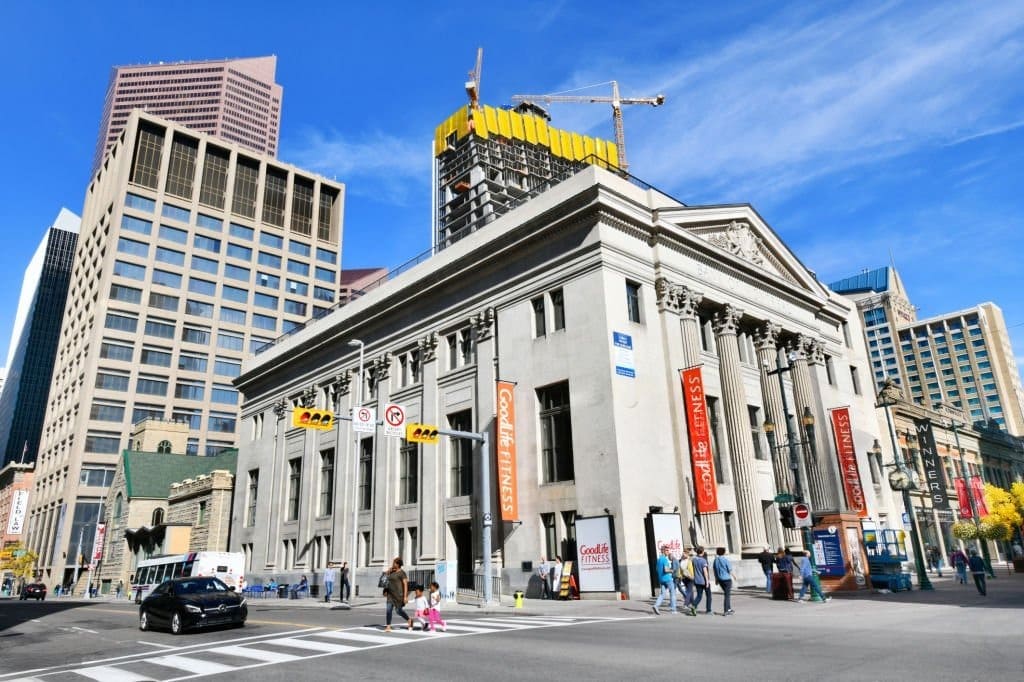
The Stephen Avenue Walk, a National Historic Site, reflects the city's architectural past with preserved sandstone buildings, boutique shops, and vibrant cafés. This pedestrian-friendly corridor offers step-free pathways, accessible storefronts, and regular public events.
Fort Calgary, the birthplace of the city, has been restored as a heritage park and museum. It features paved walkways, accessible exhibits, and educational programmes that include Indigenous perspectives and history.
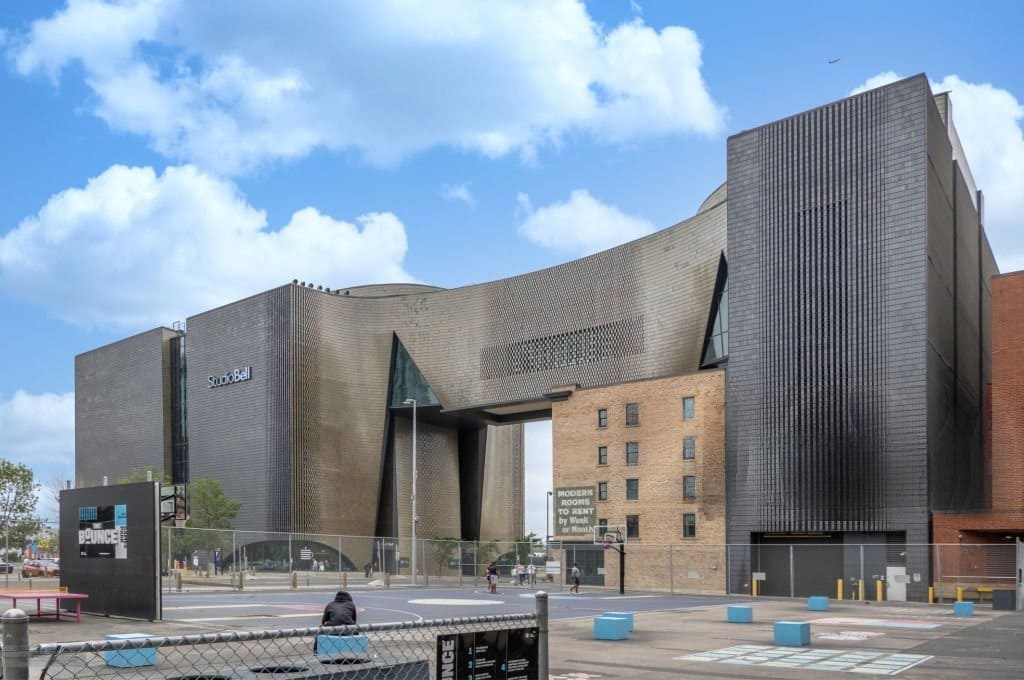
The Glenbow Museum, Calgary Tower, and Studio Bell (National Music Centre) offer fully accessible experiences with lifts, ramps, and sensory-friendly options.
city centre of Core and Urban Accessibility
Calgary’s city centre is laid out in a grid system, making navigation intuitive and manageable. Accessible pedestrian bridges known as the +15 Network connect much of the city centre, offering elevated, sheltered walkways that are wheelchair-friendly and ideal in winter.
Wide pavements, visual crosswalk signals, and tactile paving in key zones enhance safety and comfort for all travellers. Public seating areas, accessible toilets, and designated parking spots support easy urban exploration.
Parks, Nature, and Outdoor Spaces
Calgary is celebrated for its extensive green spaces and trail systems. The Bow River Pathway and Prince's Island Park are fully accessible and popular for scenic strolls, picnics, and festivals. Parks are equipped with ramps, smooth terrain, and accessible washrooms.
The city’s Peace Bridge, a striking pedestrian bridge across the Bow River, is both a landmark and a symbol of inclusion—completely step-free and designed for shared use by pedestrians, wheelchairs, and cyclists.
Cultural Life, Events, and Local Cuisine
Calgary thrives with festivals year-round, from the Calgary Folk Music Festival to GlobalFest and the Calgary Pride Parade. Events often include accessibility services such as ASL interpreters, accessible viewing areas, and volunteer assistance.
Calgary’s diverse food scene blends traditional Albertan dishes like bison burgers and Alberta beef with global influences. Many restaurants offer step-free access and accessible toilets.
Accessibility and Inclusive Tourism in Calgary
The city is continuously improving infrastructure to ensure accessible tourism. Public transport (Calgary Transit) provides:
- Low-floor buses with ramps
- Priority seating and securement areas
- Accessible CTrain stations with lifts and visual signage
Wheelchair-accessible taxis, hire vehicles with hand controls, and Mobility Scooters for hire are available through providers like Motion4Rent, helping visitors with reduced mobility explore the city comfortably and independently.
Calgary’s commitment to inclusion is reflected in every aspect of its public services and visitor experiences. From accessible heritage sites to modern attractions and nature trails, the city welcomes all travellers to enjoy its unique blend of history, innovation, and open-hearted Western spirit.
Located in the province of Alberta, Calgary is a modern and vibrant city that harmoniously blends its Western heritage with contemporary culture and innovation. Surrounded by the majestic Rocky Mountains and intersected by the Bow and Elbow Rivers, the city offers a unique combination of natural beauty, cultural depth, and urban sophistication. Calgary stands out as a welcoming and inclusive destination for all travellers, particularly those with mobility, sensory, or cognitive accessibility needs.
From the moment travellers arrive at Calgary International Airport (YYC), they encounter an environment designed to support autonomy, comfort, and ease of movement. The city has made significant strides to ensure barrier-free experiences across public infrastructure, transport systems, tourist attractions, and cultural institutions.
Calgary Visitor Information Centre – city centre of Core
This centrally located information centre is situated in the heart of Calgary, close to the Calgary Tower and Stephen Avenue. It is fully equipped to serve visitors with varying needs, offering step-free access, automatic doors, wide interior spaces, and height-adjustable service counters that ensure a dignified and inclusive experience for all.
Multilingual staff are available to assist in English, French, Spanish, Mandarin, Arabic, and other languages. Visitors can receive personalised assistance to plan accessible itineraries, get recommendations for barrier-free attractions, and obtain maps designed with tactile elements and high-contrast signage. The centre also offers advice on public transport options, mobility equipment hire, and current cultural events. Additionally, this location allows for activation of the Calgary City Pass, an ideal tool for efficiently exploring multiple attractions during your stay.
Tourist Information Desk – Calgary International Airport (YYC)
Located in the international arrivals area of Calgary International Airport, this service point is designed to provide a seamless and accessible welcome from the very first moment. The space features barrier-free walkways, tactile and visual signage, and trained personnel prepared to assist travellers with reduced mobility or other accessibility needs.
Visitors can request large-print brochures, audio-format guides, and orientation support in multiple languages. Temporary wheelchair loans, accessible transport reservations, and adapted tour bookings are available on-site. The desk also supports Calgary City Pass activation and offers guidance on using the official mobile app for self-guided tours.
Calgary City Pass – Priority Access to Culture, Comfort, and Inclusion
The Calgary City Pass is an excellent way to enjoy the city’s top attractions while ensuring accessibility throughout your experience. The pass grants priority entry to popular sites such as the Calgary Tower, Glenbow Museum, Studio Bell, and Fort Calgary. It also includes access to special exhibitions, discounts at selected accessible restaurants and shops, and entrance to inclusive cultural events.
With the purchase of the pass, visitors receive a downloadable digital guide featuring accessible toilets, rest areas, recommended routes, and scenic viewpoints. Activation occurs upon first use, whether through a physical card or a digital QR code. The pass is available in one, two, or three-day formats, depending on the length of your stay, and is designed to allow visitors to plan in advance and move confidently through the city.
Accessible transport and Public Spaces
Calgary’s public transport system is well-prepared to accommodate travellers of all abilities. City buses are low-floor and equipped with deployable ramps, dedicated wheelchair spaces, and clear audio-visual stop announcements. The CTrain light rail network features step-free stations, lifts, and intuitive navigation systems for users with sensory or physical needs. Accessible taxis can be reserved in advance, and hire vehicles with hand controls are available through several providers.
For travellers requiring additional mobility support, local companies such as Motion4Rent offer hire services for electric scooters, wheelchairs, and other assistive devices, with flexible delivery options to hotels or the airport.
Calgary’s parks and trails are also thoughtfully designed to promote inclusive outdoor experiences. Locations such as Prince’s Island Park and the Bow River Pathway feature smooth, wide pathways, gradual ramps, seating areas with backrests, shaded rest zones, and accessible accessible toilets. These features allow everyone to enjoy the natural beauty and tranquility that define Calgary’s public spaces.
A City That Welcomes Everyone
Calgary is more than just a tourist destination—it is a city that prioritises dignity, equity, and full participation. Whether exploring its historic sites, enjoying vibrant festivals, walking through riverside parks, or tasting local cuisine, every aspect of the Calgary experience has been shaped with inclusion in mind.
travellers will find a city that not only welcomes them but ensures that they can fully enjoy everything Calgary has to offer, with confidence, comfort, and independence.
Calgary International Airport (YYC):
Calgary International Airport (YYC) is the main gateway to Alberta and Western Canada. Located approximately 17 km northeast of city centre of Calgary, it is a modern, efficient, and fully accessible airport that welcomes millions of travellers every year who come to explore the region’s natural beauty and cultural richness.
Accessible Facilities at the Airport:
- Lifts and ramps throughout all public areas
- Passenger assistance services upon request (PRM)
- Accessible toilets in all terminals
- Clear signage in English and French with universal pictograms
- Service counters adapted for wheelchair users
- Spacious accessible waiting areas
- Wheelchair loan service and luggage assistance available upon arrival
Getting from the Airport to city centre of Calgary
From the airport, visitors can reach city centre of Calgary comfortably and directly using accessible transport options. The city centre is home to many major attractions, accommodations, and visitor services.
Accessible Transport Options:
- Bus – Route 300 (Airport Express):
This direct, fully accessible bus line connects the airport to city centre of Calgary with no transfers required. - Low-floor buses with deployable ramps
- Dedicated wheelchair spaces
- Visual and audio stop announcements
- Approximate travel time: 30–40 minutes
Accessible Taxis:
Available at the arrivals zone, these vehicles are equipped with hydraulic ramps. Advance booking is recommended to ensure availability.
Private Transport and Adapted Vehicle hire:
Local companies offer hire vehicles with hand controls as well as accessible transfer services with a driver for travellers requiring additional support.
Calgary’s Central Transit Hub:
The city’s public transport system is anchored in the city centre area, where major bus lines and the CTrain light rail network converge. This central hub features accessible platforms, inclusive signage, and trained personnel to assist travellers with disabilities.
Designed with universal accessibility principles, Calgary Transit ensures a smooth and welcoming experience for everyone, whether you're arriving from the airport, heading to a cultural site, or exploring the city’s natural parks.
Accessible Public Transport Services
Operated by Calgary Transit, all buses and trains are equipped to accommodate passengers with reduced mobility.
Key Features:
Low-floor buses on all routes
- Deployable ramps and securement systems for wheelchairs
- Audio and visual stop announcements
- CTrain stations with lifts and level boarding platforms
- Trained drivers available to assist when needed
- Official mobile app with real-time updates and accessibility filters
Recommended Accessible Routes:
- Route 300 – Direct connection from the airport to city centre
- CTrain Red Line – From city centre to northern and southern Calgary
- CTrain Blue Line – From city centre to the eastern and western areas of the city
- Bus routes serving accessible sites like Glenbow Museum and Prince’s Island Park
Getting Around Calgary and Beyond
Thanks to its modern infrastructure, well-marked paths, and inclusive urban planning, Calgary is a highly navigable city for all visitors. pavements are wide and level, and most street corners are fitted with dropped kerbs and ramps. Major attractions, shopping areas, cultural institutions, and public parks are equipped with features that support a barrier-free experience.
Additional Mobility Services:
- Accessible taxis with ramps (advance booking recommended)
- Electric scooter and wheelchair hire available through companies like Motion4Rent
- Hotels offering accessible rooms and services
- Tourist centres providing multilingual support and customised itinerary assistance
Contact – Calgary Transit
Facilities at Calgary’s Central Transit Hub
- Level boarding platforms for trains and buses
- Covered waiting areas with priority seating
- Accessible ticket vending machines and contactless payment options
- Bilingual audio-visual signage in English and French
- On-site staff to support route planning and accessibility needs
- Real-time updates via the Calgary Transit app with accessibility filters
Barrier-Free Travel Begins in Calgary
With a modern, well-connected, and fully accessible public transport network, Calgary makes it easy to explore the city and beyond with confidence and independence. Whether you’re visiting cultural institutions, attending one of Calgary’s many festivals, strolling through riverside parks, or heading out to the mountains, you’ll find a welcoming and inclusive city ready to support every step of your journey.
Accessible Tour of city centre of Calgary
Begin your tour at the Calgary Visitor Information Centre, located in the heart of city centre near the Calgary Tower and Stephen Avenue. The centre features level access, automatic doors, height-adjustable counters, and trained staff ready to assist visitors with limited mobility. It is also well connected to Calgary’s accessible public transport network, including bus lines and CTrain stations equipped with lifts, ramps, and both visual and audio signage.
From there, head towards Stephen Avenue Walk, Calgary’s historic pedestrian street known for its sandstone architecture and vibrant energy. The entire route is smoothly paved, step-free, and wide enough for wheelchairs and mobility aids. You’ll find benches along the way, many of them shaded and situated with enough clearance for wheelchair users.
In about 5 minutes, you’ll reach the Calgary Tower, one of the city’s most iconic landmarks. The main entrance is fully accessible, and a lift takes you to the observation deck, where railings are wheelchair-height and the floors are slip-resistant. Audio guides are available in multiple languages, and accessible toilets can be found in the lobby. Staff are on hand to assist upon request.
Continue your route towards the Arts Commons complex, just 3 minutes away. The walk features level pavements and pedestrian crossings equipped with tactile paving, visual signals, and audible alerts. Arts Commons is entirely accessible, housing theatres, galleries, and cafés with step-free entrances and adapted toilets. Some performances include ASL interpretation or sensory-friendly options, depending on the schedule.
Next, make your way to the Glenbow Museum, currently undergoing major renovations to become one of the most accessible museums in Canada. While the main building is temporarily closed, many of its collections are featured in nearby spaces that remain fully accessible, with ramps, lifts, tactile signage, and quiet areas.
From there, follow the paths towards the Peace Bridge, a striking modern pedestrian bridge over the Bow River. It offers full step-free access, continuous handrails, and a non-slip surface. On both ends, you'll find wide, paved trails that are part of the Bow River Pathway, Calgary’s extensive urban trail network, which includes clear signage, resting areas, and riverfront viewpoints.
Cross the Peace Bridge to reach Prince’s Island Park, a scenic green space surrounded by water. The park features smooth, level paths, accessible picnic areas, adapted toilets, and lookouts with guardrails at wheelchair-friendly height. During festivals and public events, accessible seating zones and support staff are available to assist with crowd navigation and viewing.
To wrap up your tour with a peaceful view, return across the Jaipur Bridge, also fully accessible, and head towards the public terrace above Eau Claire Market. This quiet urban spot offers benches, shade, and beautiful views of the park and river.
For your return, catch the CTrain from Centre Street or City Hall stations, both less than 10 minutes away. All CTrain lines feature level boarding, lifts, audio-visual announcements, and trained transit staff available to assist if needed.
This 2 to 2.5-hour accessible walking tour through city centre of Calgary offers a blend of history, culture, and nature — all without barriers. From iconic towers to riverside parks, Calgary invites you to discover the city at your own pace, independently and with total peace of mind.
Walk, explore, and enjoy — Calgary is accessible, inclusive, and ready to welcome everyone.
Calgary, a city that blends Western heritage with modern vibrancy and multicultural richness, is also home to a diverse and sophisticated culinary scene. Across its neighbourhoods, you'll find restaurants that not only focus on flavor and innovation but also prioritise the guest experience through inclusive design and exceptional service.
Whether you're in search of refined Canadian cuisine, globally inspired dishes, or locally sourced comfort food, Calgary offers a range of dining venues that combine high standards, welcoming atmospheres, and accessible environments. The three restaurants highlighted below reflect the city’s commitment to culinary excellence and universal accessibility—ideal for visitors using wheelchairs, seniors, families with strollers, or anyone seeking a comfortable and inclusive dining experience.
These spaces go beyond minimum standards. They feature trained staff, step-free layouts, accessible toilets, and a respectful approach to individual needs. Together, they offer an experience where enjoyment and dignity are guaranteed at every table.
Charbar – Fire, Flavor, and Accessible Design by the River
Charbar is one of Calgary’s most celebrated modern restaurants, located inside the historic Simmons Building along the Bow River. With a blend of industrial charm and culinary flair, it serves wood-fired cuisine with a strong emphasis on Alberta beef, vegetables, and Latin American influence.
The riverside patio, open during the warmer months, is also fully accessible, allowing diners to enjoy breathtaking views without barriers. Whether indoors or out, Charbar is designed for inclusive dining at every level.
Commitment to Accessibility:
The entrance is step-free and equipped with automatic doors. Inside, tables are spaced for easy navigation with wheelchairs, and toilets include grab bars, emergency support buttons, and spacious turning areas.
Signature Dish:
Argentinian-style Alberta beef grilled over hardwood flame, paired with seasonal roasted vegetables and house-made chimichurri.
River Café – Canadian Cuisine in a Natural, Accessible Setting
Set within Calgary’s iconic Prince’s Island Park, River Café is a destination that embodies tranquility, sustainability, and culinary refinement. While surrounded by greenery and water, it remains easily accessible via paved, barrier-free paths from city centre.
The restaurant’s architecture features wood, stone, and open-air design, creating a serene yet sophisticated dining space. It’s ideal for a romantic evening, special occasion, or quiet meal immersed in nature.
Inclusive Space:
The entire dining area is on a single level with open circulation. Entry paths are smooth and continuous, and accessible toilets are available with automatic doors and adaptable fixtures. Staff are trained to assist when needed and are sensitive to the needs of guests with mobility, sensory, or cognitive disabilities.
Signature Dish:
Cedar-planked wild Pacific salmon roasted with native herbs, served with lentils and roasted root vegetables—a dish that celebrates sustainability and regional flavor.
The Nash – Contemporary Taste and Total Access in Inglewood
Located in Calgary’s trendy Inglewood district, The Nash delivers bold Canadian cuisine in a space that respects both history and accessibility. Housed in a beautifully restored former hotel, it blends heritage architecture with modern functionality.
Its design retains its vintage character while offering step-free access and a smooth experience from entrance to table. The result is a stylish yet fully inclusive restaurant perfect for gatherings, business lunches, or intimate dinners.
Accessible by Design:
The main entrance is level with the pavement. Interior walkways are clear and wide, and tables accommodate wheelchairs comfortably. Accessible toilets include safety supports, touch-free features, and sufficient manoeuvring space.
Signature Dish:
Free-range rotisserie chicken served with crispy duck-fat potatoes and pan gravy—a modern comfort classic made with premium local ingredients.
More Than a Meal — A Welcoming Experience for All
These restaurants demonstrate that exceptional dining can and should be inclusive. They prove that thoughtful hospitality is not just about what’s on the plate, but also how every guest is welcomed and supported.
From riverside views to park-side calm to historic urban charm, Calgary offers accessible culinary experiences that are both memorable and barrier-free.
Flavors that connect. Spaces that include. Calgary welcomes you—with open arms and doors that are open to all.