Fátima, située dans le centre du Portugal, est une petite ville devenue l'une des principales destinations de pèlerinage catholique au monde. Connue pour les apparitions de la Vierge Marie en 1917 à trois enfants bergers, Fátima allie spiritualité, tradition et une atmosphère unique de paix. Pour les voyageurs utilisant un fauteuil roulant ou un scooter de mobilité, la ville propose de plus en plus d'options accessibles grâce à sa conception urbaine moderne autour du sanctuaire et à l'adaptation de ses infrastructures.
L'histoire de Fátima est marquée par les apparitions mariales, qui ont transformé un village rural en centre religieux international. Depuis, la ville s'est développée autour du Sanctuaire de Notre-Dame du Rosaire de Fátima, construit dans la première moitié du XXe siècle. Au fil des décennies, de nouvelles infrastructures telles que la Basilique de la Sainte Trinité, inaugurée en 2007, ont consolidé Fátima comme lieu de rassemblement pour des millions de pèlerins du monde entier.
Esplanade et Sanctuaire de Fátima
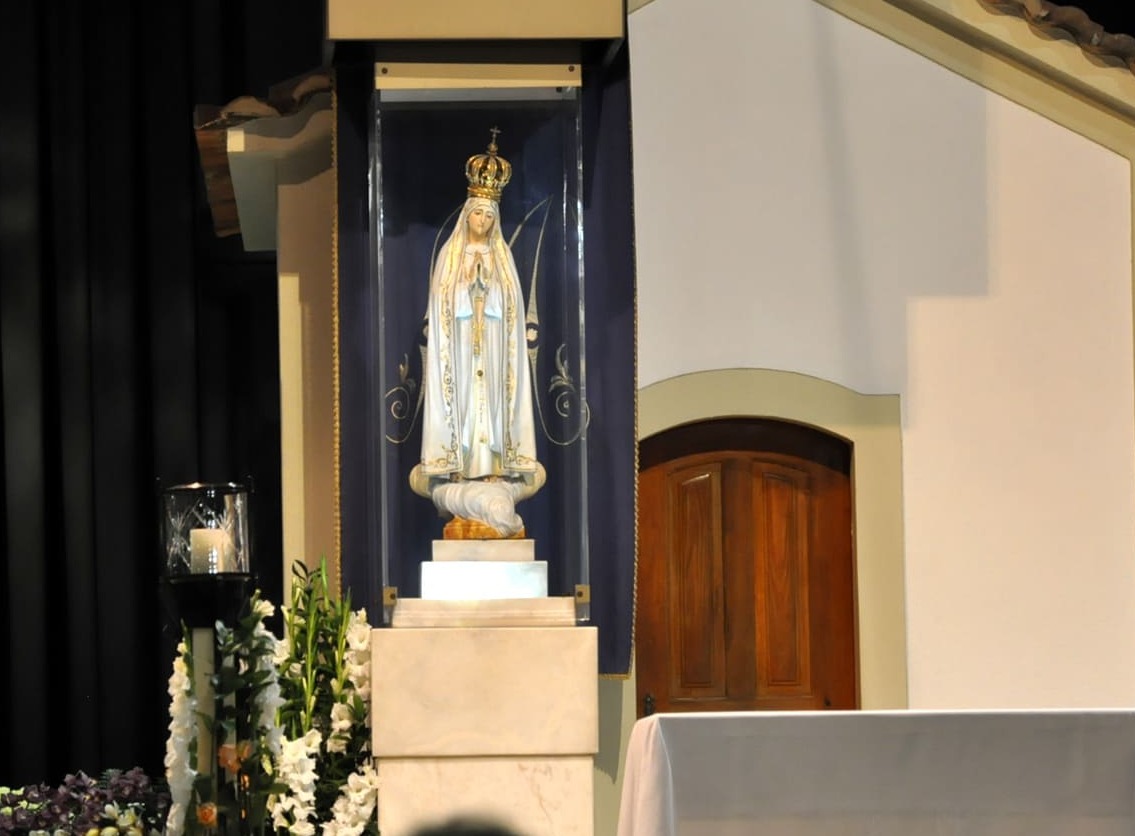
La grande esplanade du sanctuaire est l'un des lieux les plus emblématiques de la ville. Entièrement pavée et dotée de points d'accès adaptés, elle se parcourt confortablement en fauteuil roulant. Au sein du sanctuaire, les points forts comprennent la Chapelle des Apparitions, la Basilique de Notre-Dame du Rosaire et la moderne Basilique de la Sainte Trinité, toutes équipées de rampes et d'ascenseurs. Lors des grandes célébrations, des zones réservées sont disponibles pour les personnes à mobilité réduite.
Basilique de la Sainte Trinité
Construite dans un style contemporain et d'une capacité de plus de 8 000 personnes, cette basilique est l'une des plus grandes églises catholiques d'Europe. Sa conception moderne privilégie l'accessibilité : entrées de plain-pied, salles de bain adaptées, signalétique claire et espaces pour fauteuils roulants à l'intérieur de la nef principale.
Chemin de Croix et Valinhos
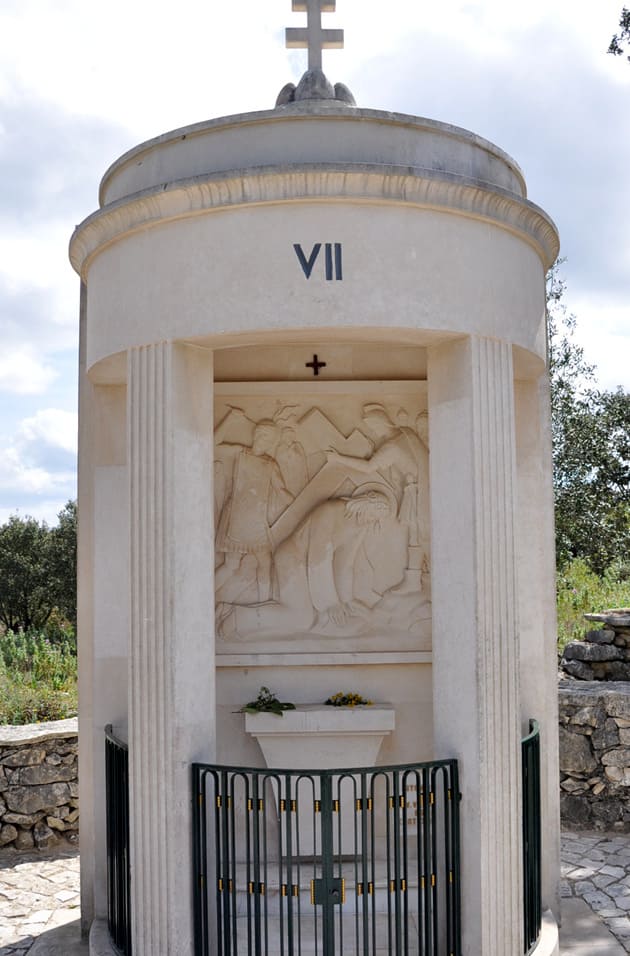
Le Chemin de Croix commémore l'itinéraire emprunté par les enfants bergers. Bien que certaines parties du sentier traversent des chemins naturels, certaines sections sont adaptées pour faciliter l'accès. À Valinhos, où se sont produites des apparitions ultérieures, il existe des zones aménagées, et des visites guidées avec des options accessibles sont disponibles.
Musées de Fátima
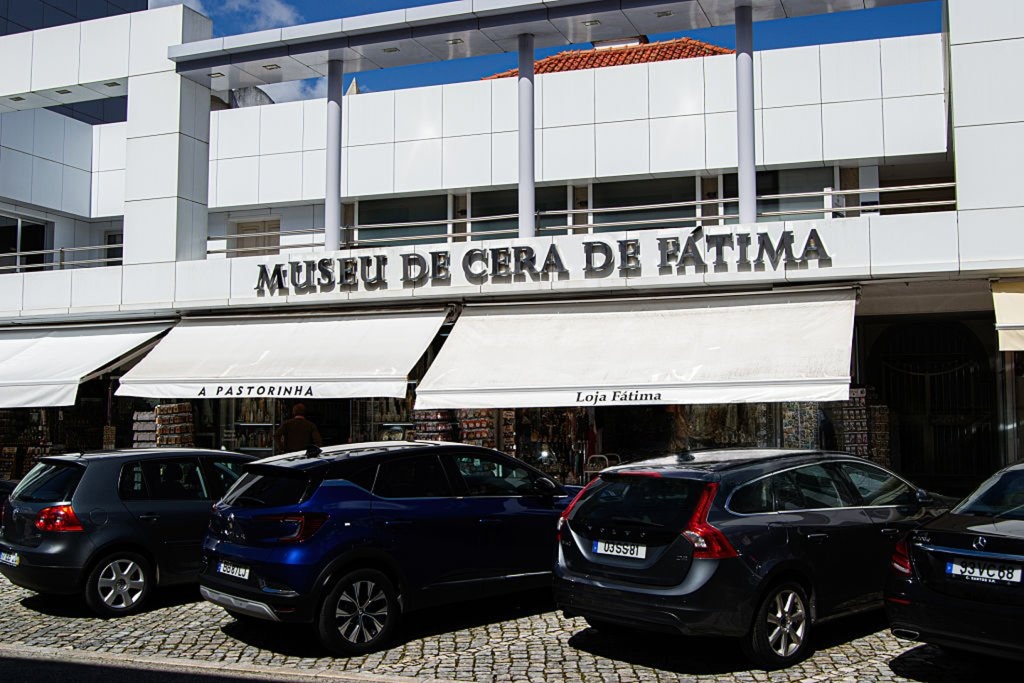
Le Musée de Cire de Fátima et le Musée de la Vie du Christ sont deux des principales attractions culturelles de la ville. Leurs installations comprennent des rampes, des ascenseurs et de larges couloirs, ce qui rend les visites en fauteuil roulant pratiques. Les deux musées offrent des perspectives historiques et spirituelles sur les apparitions et la tradition mariale.
Excursions et nature
Au-delà de Fátima, vous pouvez explorer des sites d'une grande valeur culturelle et historique. Le Monastère de Batalha, site du patrimoine mondial de l'UNESCO, offre un accès adapté à plusieurs zones. Le Monastère d'Alcobaça et le Château d'Ourém voisin méritent également une visite, bien que certaines sections présentent des limitations d'accessibilité en raison de leurs structures historiques. Il est conseillé de vérifier les conditions d'accès à l'avance.
Hébergement accessible
Fátima propose une large gamme d'hôtels, des établissements modernes 4 et 5 étoiles aux maisons d'hôtes plus modestes. Nombre d'entre eux disposent de chambres adaptées, d'ascenseurs spacieux, de douches à accès direct et de services adaptés aux pèlerins à mobilité réduite. Il est recommandé de confirmer la disponibilité des chambres accessibles auprès de l'hôtel avant de réserver.
Gastronomie
La cuisine locale reflète la tradition portugaise, avec des plats tels que la morue préparée de nombreuses façons, des soupes copieuses et des douceurs conventuelles. Autour du sanctuaire et dans le centre-ville, de nombreux restaurants et cafés proposent une entrée sans marches ou des rampes. Néanmoins, il est conseillé de vérifier l'accessibilité à l'avance.
Conseils finaux
Fátima est une ville qui, grâce à la modernisation de ses infrastructures et à son orientation vers les pèlerins, est hautement accessible pour les visiteurs à mobilité réduite. Ses larges avenues, son sanctuaire adapté et sa variété d'offres hôtelières garantissent un séjour confortable pour tous.
Bien que certains sites de pèlerinage tels que Valinhos puissent présenter des difficultés en raison de leurs sentiers naturels, il existe des alternatives accessibles qui permettent aux visiteurs de profiter de l'expérience spirituelle et culturelle sans obstacles significatifs.
Avec son atmosphère de dévotion, l'hospitalité portugaise et son engagement en faveur de l'inclusion, Fátima est une destination idéale pour tous les types de voyageurs, y compris ceux utilisant un fauteuil roulant ou un scooter de mobilité. Une ville qui accueille le monde sans perdre son essence spirituelle.
Fátima dispose d'un réseau de centres d'information touristique situés à des points stratégiques tels que le Sanctuaire, l'esplanade et les principales entrées de la ville. Ces centres sont essentiels tant pour les pèlerins de première visite que pour les visiteurs réguliers, car ils fournissent des conseils d'experts, du personnel multilingue et des services axés sur l'accessibilité.
Tous les centres disposent de professionnels formés qui fournissent des cartes, des brochures, des guides de la ville et des conseils pratiques sur les attractions, les transports, l'hébergement et les excursions. Beaucoup assistent également à la réservation de circuits, d'activités culturelles, de visites religieuses et d'options de tourisme inclusif.
Centre d'information touristique – Office municipal du tourisme de Fátima
Le principal centre officiel d'accueil des visiteurs, situé à côté de l'Esplanade du Sanctuaire, sur l'Avenida de Dom José Alves Correia da Silva. Ce bureau est conçu pour offrir des informations personnalisées et une assistance adaptée. Son accès sans marches, ses comptoirs adaptés et son intérieur spacieux le rendent particulièrement confortable pour les visiteurs à mobilité réduite.
Services disponibles :
- Cartes et guides de Fátima et de la région du Centre du Portugal
- Informations sur les hôtels et maisons de pèlerins avec certification d'accessibilité
- Recommandations pour les sites culturels et religieux avec accès adapté
- Conseils sur les transports publics et les taxis adaptés
Adresse et contact
- Avenida de Dom José Alves Correia da Silva, Fátima
- Téléphone : +351 249 539 330
- E-mail : [email protected]
Centre d'information touristique – Sanctuaire de Fátima
Situé au sein du Sanctuaire lui-même, près de la Basilique de la Sainte Trinité, ce centre est stratégiquement placé pour ceux qui arrivent directement sur le site religieux. Entièrement accessible, il comprend des rampes, des comptoirs à hauteur adaptée et une signalétique multilingue.
Services disponibles :
- Cartes avec itinéraires accessibles à l'intérieur du Sanctuaire
- Conseils sur les célébrations, les horaires de messe et les visites guidées inclusives
- Informations sur les restaurants et cafés à proximité avec entrée sans marches
- Réservation de visites thématiques et d'itinéraires adaptés aux personnes à mobilité réduite
Adresse et contact
- Sanctuary of Our Lady of Fátima
- Téléphone : +351 249 539 600
- E-mail : [email protected]
- Site web : www.fatima.pt
Information touristique – Turismo Centro de Portugal
Pour des informations plus larges sur la région, l'entité Turismo Centro de Portugal fournit un soutien et des ressources pour les visiteurs de Fátima et de ses environs. Bien que son siège principal se trouve à Coimbra, elle offre des contacts utiles, des supports multilingues et des conseils sur les initiatives d'accessibilité dans toute la région.
Services disponibles :
- Informations touristiques régionales et nationales
- Soutien aux médias et aux professionnels du tourisme
- Conseils généraux sur les itinéraires culturels, historiques et religieux accessibles
Adresse et contact
- Avenida Fernão de Magalhães, 195 – Coimbra, Portugal
- Téléphone : +351 239 791 060
- E-mail : [email protected]
- Site web : www.centerofportugal.com
Ressources touristiques de Fátima – Focus accessibilité
- Accès au Sanctuaire : esplanade entièrement pavée, rampes, ascenseurs et zones réservées pendant les célébrations.
- Transport urbain : taxis adaptés et transferts privés en fauteuil roulant disponibles sur demande.
- Cartes numériques : plateformes mettant en avant les hôtels accessibles, les itinéraires sans marches et les restaurants adaptés.
- Soutien aux pèlerins : services de bénévoles et assistance personnalisée pour les visiteurs à mobilité réduite.
Aéroport Humberto Delgado de Lisbonne (LIS) – Accessibilité pour se rendre à Fátima
Engagement en faveur de l'accessibilité, du confort et du voyage inclusif
L'aéroport Humberto Delgado de Lisbonne (LIS), situé à environ 120 kilomètres de Fátima, est la principale porte d'entrée pour les pèlerins et visiteurs se rendant au Sanctuaire de Notre-Dame de Fátima, l'un des centres de foi catholique les plus importants au monde. Ces dernières années, l'aéroport a renforcé ses mesures d'accessibilité afin de garantir une expérience de voyage sûre, confortable et digne pour les passagers à mobilité réduite ou en situation de handicap physique, sensoriel ou cognitif.
Entrées et circulation
Les entrées du terminal disposent de rampes en pente douce, de larges portes automatiques et d'un accès sans marches. Des couloirs spacieux et des sols de plain-pied permettent une circulation fluide pour les fauteuils roulants et les aides à la mobilité. Les ascenseurs sont équipés d'indicateurs visuels et sonores, facilitant l'orientation autonome.
Parking accessible
L'aéroport propose des places de stationnement réservées aux passagers en situation de handicap, situées à proximité des entrées principales du terminal. Ces places sont reliées au bâtiment par des voies piétonnes accessibles. Les véhicules disposant d'un permis de stationnement pour personnes handicapées peuvent bénéficier de conditions de stationnement préférentielles.
Service d'assistance aux passagers à mobilité réduite (PMR)
L'aéroport de Lisbonne offre un service d'assistance complet pour les passagers à mobilité réduite (PMR), coordonné avec les compagnies aériennes et les agences de voyage.
Ce service comprend :
- Une assistance dès l'arrivée à l'aéroport (voiture privée, taxi ou bus).
- Un accompagnement lors de l'enregistrement, du contrôle de sécurité, de l'immigration et de l'embarquement.
- La mise à disposition de fauteuils roulants manuels sur demande.
- Du personnel multilingue formé offrant un soutien respectueux et professionnel.
Il est recommandé de demander ce service au moins 48 heures à l'avance auprès de votre compagnie aérienne ou de votre agence de voyage.
Sanitaires adaptés
Des sanitaires accessibles sont disponibles dans les zones publiques et restreintes du terminal. Ils sont équipés de portes larges, de barres d'appui, d'un espace de rotation pour fauteuil roulant, de lavabos à hauteur adaptée et de systèmes d'appel d'urgence.
Information et service client
Les comptoirs d'information sont à une hauteur accessible et sont tenus par du personnel multilingue. En plus des renseignements sur les vols et les services de l'aéroport, ils fournissent des détails sur les transports accessibles vers Fátima et des recommandations pour les hébergements et attractions adaptés.
Zones d'attente et salons VIP
Les zones d'attente générales comprennent des sièges réservés aux utilisateurs de fauteuils roulants et des points de recharge à hauteur accessible. Les salons VIP sont entièrement accessibles, offrant des sanitaires adaptés et une assistance personnalisée sur demande.
Mobilité interne
Le terminal est équipé d'ascenseurs, d'escalators et de rampes. Une assistance en fauteuil roulant ou des voiturettes électriques sont également disponibles pour les transferts de longue distance à l'intérieur du bâtiment.
Restaurants et boutiques
Les zones de restauration et de shopping sont accessibles, avec de larges allées et des aménagements sans marches. Le mobilier est disposé de manière à permettre la circulation en fauteuil roulant. Certains établissements proposent des menus en gros caractères ou en braille, et le personnel est formé pour répondre aux besoins alimentaires ou spécifiques.
Coordonnées – Aéroport de Lisbonne
Adresse :
Lisbon Humberto Delgado Airport (LIS)
Alameda das Comunidades Portuguesas, 1700-111 Lisbon, Portugal
Téléphone : +351 218 413 500
E-mail : [email protected]
Site web : www.aeroportolisboa.pt
Transport accessible vers Fátima
Fátima est située à environ 120 km de Lisbonne (environ 1h30 en voiture). Plusieurs options de transport accessibles sont disponibles :
Bus publics – Rede Expressos
Rede Expressos relie Lisbonne (gare routière de Sete Rios) à la gare routière de Fátima en trajets d'environ 1h30. Certains bus sont équipés de dispositifs d'accessibilité, notamment des espaces pour fauteuils roulants.
Coordonnées – Rede Expressos
- Téléphone du service client : +351 21 75 24 524 (tous les jours, 07:00–22:00).
- Adresse du siège : Praça Marechal Humberto Delgado, Sete Rios, 1500-Lisbon.
- E-mail : via le formulaire de contact sur le site officiel.
- Site web : www.rede-expressos.pt
Services de navette privés
Plusieurs entreprises assurent des transferts directs de l'aéroport de Lisbonne à Fátima en minibus ou van. Certains prestataires proposent des véhicules adaptés lorsqu'ils sont réservés à l'avance.
Taxis accessibles
Lisbonne dispose de taxis équipés de rampes ou d'élévateurs. Il est recommandé de réserver à l'avance auprès d'opérateurs spécialisés.
Accessibilité à Fátima
La ville de Fátima a réalisé des progrès significatifs en matière d'accessibilité, notamment autour du Sanctuaire :
- Esplanade du Sanctuaire : sans barrières et entièrement accessible.
- Basilique de Notre-Dame du Rosaire et Chapelle des Apparitions : équipées de rampes, d'ascenseurs et de zones réservées.
- Hôtels et restaurants : beaucoup proposent des chambres adaptées et des sanitaires accessibles.
- Musée de Cire, Via Sacra et Valinhos : itinéraires accessibles et signalétique adaptée.
Ensemble, ces améliorations font de Fátima une destination inclusive, prête à accueillir les pèlerins et visiteurs aux besoins d'accessibilité divers.
Plage de Nazaré – Praia da Nazaré
Située à environ 55 km de Fátima, la plage de Nazaré est l'une des destinations côtières les plus emblématiques du Portugal, célèbre pour ses vagues géantes et ses larges étendues de sable doré. Ces dernières années, elle est également devenue une référence en matière d'accessibilité sur la côte centrale.
Accessibilité :
La promenade maritime comprend de larges trottoirs, des rampes et des passerelles en bois reliant les avenues principales au sable. Plusieurs entrées sont sans marches et adaptées.
Services d'assistance :
Pendant la saison estivale, des maîtres-nageurs formés fournissent une assistance de base aux visiteurs à mobilité réduite. Les points d'information touristique offrent également des conseils sur l'accessibilité.
Sanitaires accessibles :
Des sanitaires adaptés et des vestiaires avec barres d'appui et espace de manœuvre sont disponibles aux principaux points d'accès.
Équipement spécial :
Nazaré propose des fauteuils roulants amphibies (chaises flottantes) et des déambulateurs de plage gratuitement, sous réserve de disponibilité.
Comment s'y rendre en transport public :
Des bus relient Fátima à Nazaré via Leiria. La gare routière est proche du front de mer, avec un itinéraire accessible. Des taxis adaptés sont également disponibles depuis Fátima.
Plage de Peniche – Praia da Consolação
À environ 80 km de Fátima, Peniche est une autre destination côtière majeure. La plage de Consolação se distingue par ses eaux calmes et ses installations accessibles.
Accessibilité :
La promenade maritime offre des rampes et des passerelles menant directement au sable. Les zones touristiques disposent de trottoirs de plain-pied et d'une signalétique claire.
Services d'assistance :
En été, le personnel de plage et les maîtres-nageurs peuvent fournir un soutien pour accéder aux zones de baignade.
Sanitaires accessibles :
Des toilettes adaptées sont disponibles aux entrées principales et répondent aux normes d'accessibilité.
Équipement spécial :
La plage propose des fauteuils roulants amphibies en coopération avec la municipalité locale.
Comment s'y rendre en transport public :
Peniche est reliée par bus à Lisbonne et Leiria. Depuis Fátima, une voiture privée ou un taxi adapté est l'option la plus pratique.
Plage de São Martinho do Porto
À environ 60 km de Fátima, São Martinho do Porto est connue pour sa baie en forme de coquille aux eaux calmes et à l'environnement familial.
Accessibilité :
La promenade maritime dispose de surfaces planes, de rampes et de passerelles en bois. L'environnement convient très bien aux fauteuils roulants et aux poussettes.
Services d'assistance :
En été, des maîtres-nageurs formés et du personnel de soutien sont disponibles pour assister les visiteurs à mobilité réduite.
Sanitaires accessibles :
Des toilettes adaptées et des vestiaires sont répartis le long de la promenade.
Équipement spécial :
Des fauteuils roulants amphibies sont disponibles, gérés par la municipalité et les associations locales.
Comment s'y rendre en transport public :
Depuis Fátima, des bus relient à Caldas da Rainha, suivis d'un court transfert vers São Martinho do Porto. Des taxis adaptés et des transferts privés sont également disponibles.
Plages partiellement accessibles – Praia da Vieira et Praia do Pedrógão
Plus proches de Leiria (environ 45 km de Fátima), ces plages conservent un environnement plus naturel et traditionnel.
Accessibilité :
Un parking à proximité et certains points d'accès pavés sont disponibles, mais le sable irrégulier et les infrastructures limitées peuvent poser des difficultés.
Services d'assistance :
Des maîtres-nageurs sont présents pendant l'été, bien qu'ils ne soient pas spécifiquement formés à l'accessibilité.
Sanitaires accessibles :
Les sanitaires publics sont basiques et ne sont pas toujours adaptés aux normes internationales d'accessibilité.
Équipement spécial :
Les fauteuils roulants amphibies ne sont pas toujours disponibles, bien que certains hôtels locaux puissent proposer des solutions de soutien.
Comment s'y rendre en transport public :
L'accès par transport public est limité. La voiture privée, le taxi ou les excursions organisées depuis Fátima ou Leiria sont les options les plus pratiques.
Fátima, ville portugaise reconnue dans le monde entier comme l'un des centres de pèlerinage catholique les plus importants, accueille des millions de visiteurs chaque année. Grâce à sa conception urbaine moderne et aux améliorations continues en matière d'accessibilité, c'est une destination hautement adaptée aux utilisateurs de fauteuils roulants et aux voyageurs à mobilité réduite. Vous trouverez ci-dessous un itinéraire sans barrières pour découvrir les principaux points forts spirituels et culturels de Fátima.
Début de la visite : Sanctuaire de Notre-Dame de Fátima
Commencez au Sanctuaire de Fátima, l'épicentre de la dévotion mariale et lieu de rassemblement pour les pèlerins du monde entier.
Accessibilité :
Le complexe dispose d'une esplanade entièrement plane et accessible, de rampes, d'ascenseurs et de zones réservées aux utilisateurs de fauteuils roulants dans la Basilique du Rosaire, la Chapelle des Apparitions et la Basilique de la Sainte Trinité. Des sanitaires adaptés sont situés à plusieurs endroits dans le sanctuaire.
Que faire :
Assistez à une messe, allumez une bougie à la Chapelle des Apparitions ou admirez l'architecture des basiliques dans un environnement spirituel et accueillant.
Promenade le long de l'esplanade et des colonnades
Depuis la chapelle, profitez d'une promenade accessible à travers la vaste esplanade et ses élégantes colonnades.
Accessibilité :
Le sol est entièrement pavé, avec des zones de repos accessibles et des bancs ombragés.
Que faire :
Participez aux processions aux chandelles du soir, capturez des photos panoramiques du sanctuaire ou imprégnez-vous simplement de l'atmosphère de paix et de dévotion.
Continuer vers le Musée de Cire de Fátima
Un court transfert accessible vous mène au Musée de Cire de Fátima, où sont représentées des scènes des apparitions mariales et l'histoire des trois enfants bergers.
Accessibilité :
Le musée dispose d'un accès sans marches, d'ascenseurs et de sanitaires adaptés. De larges couloirs permettent une circulation confortable en fauteuil roulant.
Que faire :
Explorez 32 scènes de cire racontant les événements de 1917 et découvrez davantage sur les enfants témoins des apparitions.
Visite de Valinhos et du Chemin de Croix
Ensuite, dirigez-vous vers Valinhos, où se sont produites certaines apparitions ultérieures, et suivez des parties du Chemin de Croix menant à Aljustrel, le lieu de naissance des enfants bergers.
Accessibilité :
Certaines sections sont pavées et accessibles, notamment près des points de vue et des chapelles principales. D'autres tronçons se trouvent sur un terrain irrégulier, il est donc recommandé d'opter pour un transport adapté ou des visites guidées.
Que faire :
Visitez les stations accessibles du Chemin de Croix, faites une halte à la Chapelle Saint-Étienne et profitez d'un moment de recueillement en pleine nature.
Arrêt optionnel : Musée d'Art Sacré et d'Ethnologie
Près du sanctuaire, ce musée offre un aperçu de l'art religieux et du travail missionnaire à travers le monde.
Accessibilité :
Le bâtiment propose un accès par rampe, des ascenseurs et des sanitaires adaptés. Le parcours intérieur est sans marches, rendant toutes les galeries accessibles.
Que voir :
Collections d'art sacré, objets ethnographiques et expositions temporaires sur l'impact mondial de la foi.
Détente au parc de la ville
Terminez l'après-midi au parc de la ville de Fátima, un espace vert et paisible idéal pour se détendre après une journée de visites.
Accessibilité :
Allées pavées, bancs accessibles et sanitaires adaptés le rendent confortable pour les utilisateurs de fauteuils roulants.
Que faire :
Profitez d'une promenade détendue, admirez les jardins paysagers et appréciez l'atmosphère tranquille du parc.
Dîner près du Sanctuaire
Terminez votre visite par un dîner dans l'un des restaurants accessibles à proximité du sanctuaire.
Accessibilité :
De nombreux établissements disposent d'entrées sans marches, d'intérieurs spacieux et de sanitaires adaptés. Le personnel est habitué à accueillir des visiteurs internationaux aux besoins d'accessibilité divers.
Que goûter :
Dégustez des classiques portugais tels que le bacalhau à brás (morue avec pommes de terre et œufs), l'agneau rôti ou les douceurs conventuelles traditionnelles.
Tia Alice – Cuisine portugaise traditionnelle
Situé au cœur de Fátima, Tia Alice est célèbre pour ses plats portugais traditionnels, offrant une atmosphère chaleureuse et accueillante. Idéal pour savourer les saveurs locales dans un cadre convivial.
- Accessibilité : Entrée sans marches et larges passages dans la salle principale.
Sanitaires accessibles : Spacieux, avec barres d'appui et espace de rotation pour fauteuil roulant.
Plat signature : Agneau rôti au romarin et à l'ail. - Coordonnées :
Adresse : Av. Irmã Lúcia de Jesus, 152, 2495-557 Fátima, Portugal
Téléphone : +351 249 531 737
Manhas – Restauration portugaise contemporaine
Manhas propose une interprétation moderne des plats portugais et méditerranéens, situé près du Sanctuaire de Fátima. Réputé pour ses ingrédients frais et sa présentation raffinée.
- Accessibilité : Accès par rampe à l'entrée et terrasse extérieure plane.
Sanitaires accessibles : Installations adaptées avec espace de manœuvre.
Plat signature : Morue à la crème (bacalhau com natas). - Coordonnées :
Adresse : Av. Beato Nuno, 271, 2495-401 Fátima, Portugal
Téléphone : +351 249 533 858
Site web : manhasrestaurante.pt
O Crispim – Restauration portugaise rustique
Restaurant familial, O Crispim propose des repas portugais copieux dans une atmosphère rustique et accueillante, idéal pour une restauration décontractée.
- Accessibilité : Accès sans marches et salle à manger spacieuse.
Sanitaires accessibles : Équipés de barres d'appui et lavabo adapté.
Plat signature : Joues de porc braisées au vin rouge. - Coordonnées :
Adresse : Av. Beato Nuno, 203, 2495-401 Fátima, Portugal
Téléphone : +351 249 531 737
Site web : ocrispim.pt
A Cave – Cuisine traditionnelle réconfortante
Connu pour son atmosphère chaleureuse et intime, A Cave propose une cuisine portugaise traditionnelle réconfortante et est un favori parmi les habitants et les pèlerins.
- Accessibilité : Accès par rampe à l'entrée et sièges intérieurs de plain-pied.
Sanitaires accessibles : Disponibles, mais veuillez confirmer par téléphone.
Plat signature : Poulpe grillé à l'huile d'olive et à l'ail. - Coordonnées :
Adresse : R. Jacinta Marto, 2495-450 Fátima, Portugal
Téléphone : +351 249 531 737
Restaurante Fortaleza – Fusion portugaise et internationale
Fortaleza combine le meilleur de la cuisine portugaise avec des influences internationales, offrant un cadre spacieux et moderne près du Sanctuaire de Fátima.
- Accessibilité : Entrée sans marches et salle à manger en open space.
Sanitaires accessibles : Entièrement adaptés avec un espace de manœuvre ample.
Plat signature : Bacalhau à Brás (morue avec pommes de terre et œufs). - Coordonnées :
Adresse : Av. Beato Nuno, 64, 2495-401 Fátima, Portugal
Téléphone : +351 249 531 737
Site web : restaurantefortaleza.com