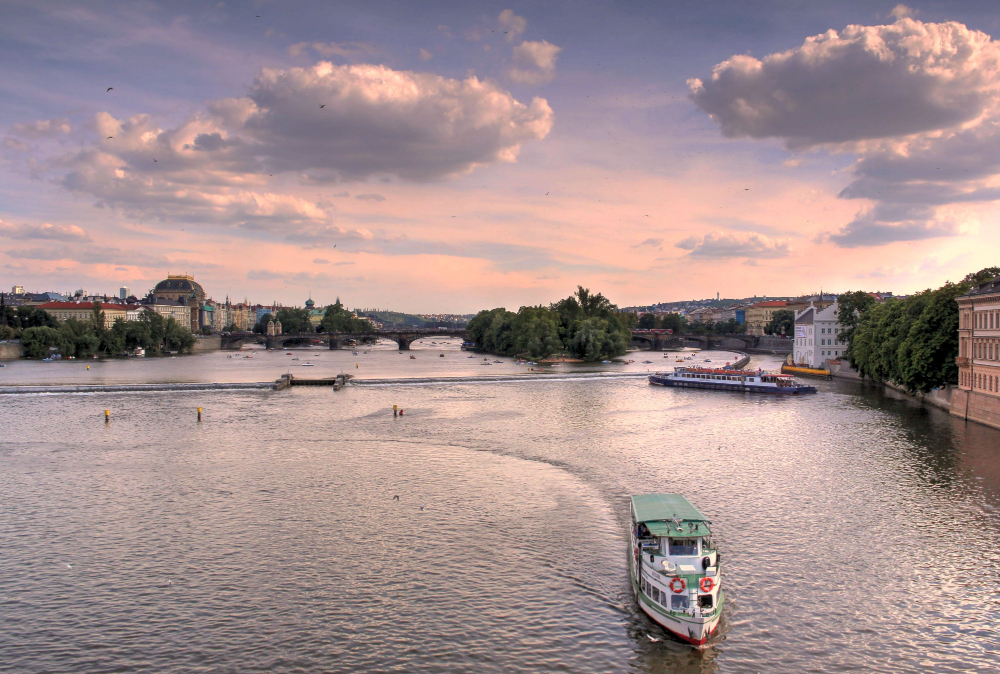
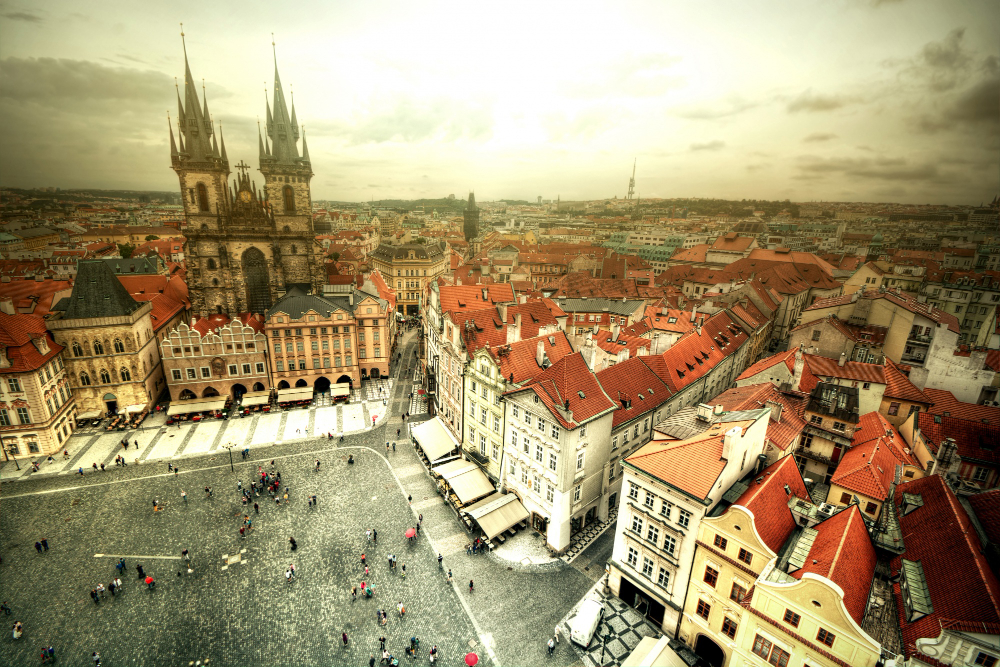
Praga, a capital da República Checa, é conhecida como a "Cidade das Cem Torres". Esta cidade é um testemunho vivo da história e da cultura europeias, oferecendo uma mistura de estilos arquitetónicos que vai do românico, gótico e barroco ao Art Nouveau e ao cubismo. Para visitantes em cadeira de rodas, Praga apresenta-se como uma cidade incrível e acessível, com vários serviços e adaptações.
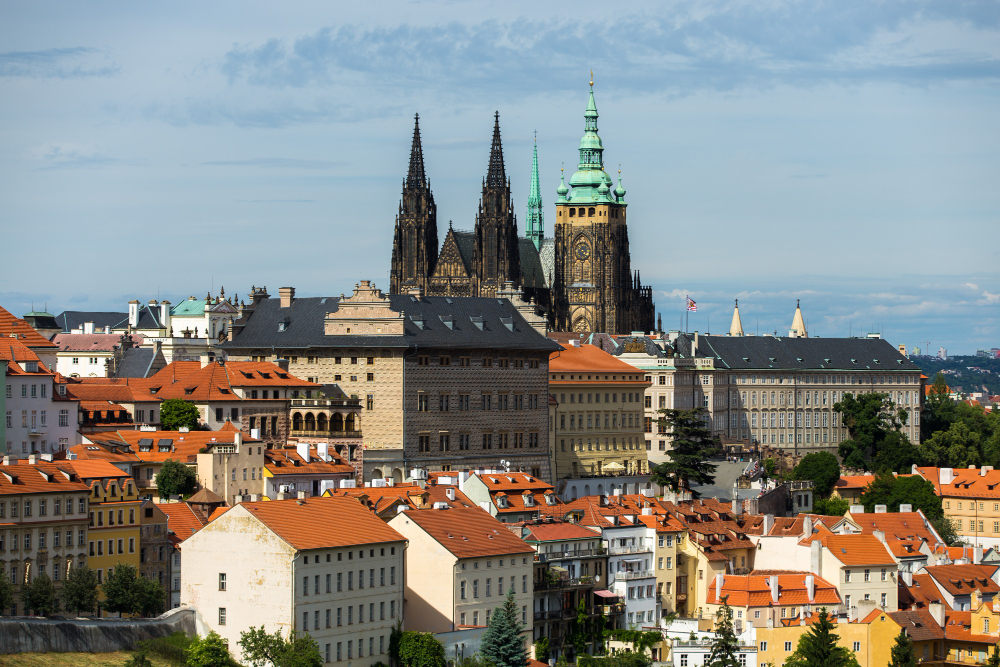
A história de Praga é rica e multifacetada: começou como um importante povoado na Europa medieval e transformou-se, ao longo dos séculos, num centro político, cultural e económico da região. A sua arquitetura é um livro aberto que conta o seu passado glorioso, com edifícios como o Castelo de Praga, um dos maiores do mundo, e a Catedral de São Vito, que oferecem não só uma imersão na história checa, mas também adaptações para quem utiliza cadeira de rodas.
Explorar a Cidade Velha de Praga em cadeira de rodas pode ser uma experiência cativante, especialmente ao visitar a Praça da Cidade Velha, onde se encontra o famoso Relógio Astronómico. Embora as ruas em calçada possam representar um desafio, muitas zonas têm rampas e percursos acessíveis. Além disso, a Câmara Municipal de Praga e várias organizações disponibilizam mapas e guias dedicados à acessibilidade, garantindo que os visitantes podem planear a viagem com antecedência.
Os transportes públicos em Praga são notavelmente inclusivos, com uma rede de elétrico e metro que procura ser acessível a todos. As estações de metro têm elevadores e rampas, e os elétricos de piso rebaixado facilitam a entrada e saída de utilizadores de cadeira de rodas. Embora seja aconselhável verificar a acessibilidade de rotas específicas, o compromisso da cidade com a mobilidade é evidente.
A cultura checa também se vive através da gastronomia, com pratos como goulash checo e svíčková, que podem ser apreciados em muitos restaurantes acessíveis por toda a cidade. A cerveja checa é uma parte essencial da experiência em Praga, e muitos pubs e cervejarias históricos melhoraram a acessibilidade para acolher todos os apreciadores.
Além disso, Praga oferece várias atividades culturais acessíveis, desde concertos de música clássica no Rudolfinum até exposições no Museu Nacional. Teatros e salas de concerto oferecem frequentemente lugares acessíveis, garantindo que todos os visitantes possam desfrutar das artes performativas checas.
Entre outras curiosidades sobre Praga, destacam-se a população de cerca de 1,3 milhões de habitantes, a coroa checa como moeda e o prefixo telefónico +420, entre outros aspetos. A tradição do cristal da Boémia, a literatura checa e figuras históricas como Franz Kafka são elementos fascinantes da cultura local que os visitantes podem explorar.
Para quem utiliza cadeira de rodas, visitar Praga significa mergulhar numa cidade que valoriza a história e a cultura enquanto procura ser inclusiva. Embora a topografia e a infraestrutura histórica apresentem desafios, a cidade compensa com a sua beleza, o seu vasto património cultural e os esforços contínuos para melhorar a acessibilidade. Com planeamento adequado, Praga proporciona uma experiência turística enriquecedora e acessível, convidando todos a descobrir os seus tesouros escondidos e atrações famosas, tornando a visita memorável para pessoas em cadeira de rodas.
Em Praga, existem vários centros de informação turística geridos pela Prague City Tourism, pensados para apoiar os visitantes durante todo o ano. Aqui detalhamos alguns dos mais importantes:
Prague Visitor Centre - Na Můstku:
Este posto de informação turística oferece uma ampla gama de serviços, incluindo informação geral sobre Praga, venda do Prague Visitor Pass, bilhetes para eventos culturais, tours e muito mais. Está aberto diariamente das 9:00 às 19:00. Embora o edifício seja acessível no piso térreo, existe um degrau na entrada principal, o que pode exigir assistência para utilizadores de cadeira de rodas.
Morada e contacto:
- Rytířská 12, Praha 1 - Staré Město
- Telefone: (+420) 221 714 714
- Email: [email protected]
Prague Visitor Centre - Staroměstská radnice (Old Town Hall):
Localizado na histórica Câmara Municipal da Cidade Velha, oferece serviços semelhantes aos de Na Můstku. A acessibilidade é destacável, com entrada sem barreiras pela rua Mikulášská e casa de banho acessível no terceiro piso.
Morada e contacto:
- Staroměstské náměstí 1, Praha 1 - Staré Město
- Telefone: (+420) 221 714 714
- Email: [email protected]
Escritório no aeroporto:
No Aeroporto de Praga, existem centros de informação nos Terminais 1 e 2 do Aeroporto Václav Havel, oferecendo um primeiro ponto de contacto acessível para turistas que chegam à cidade.
Contacto:
Para informação mais específica sobre cada centro, incluindo detalhes adicionais de acessibilidade e serviços, recomendamos visitar o site oficial de turismo de Praga em www.prague.eu/en/tourist-information-centres
Cartão turístico:
Em Praga, existem vários cartões turísticos que oferecem acesso a transportes públicos e atrações, incluindo museus. Um deles é o "Prague Visitor Pass", que permite viagens ilimitadas nos transportes públicos (metro, elétrico, funicular, autocarros urbanos e ferries) em Praga, incluindo o trajeto de e para o aeroporto. Também oferece entrada gratuita ou com desconto em mais de 70 experiências, como monumentos históricos, museus, galerias e cruzeiros no Vltava. O passe está disponível em modalidades de 48, 72 ou 120 horas e pode ser comprado em pontos de venda, na web ou através de aplicação móvel.
Outra opção é o "Prague Card", que oferece acesso gratuito e descontos em cerca de 80 atrações, além de transporte público ilimitado em Praga. Este cartão inclui ainda benefícios adicionais como tour histórico de autocarro pela cidade e descontos em tours, cruzeiros, concertos e restaurantes.
Os preços do "Prague Visitor Pass" variam consoante a duração e o tipo de utilizador:
- 48 horas: Adulto 2,100 CZK, Estudante 1,600 CZK, Criança 1,050 CZK
- 72 horas: Adulto 2,800 CZK, Estudante 2,100 CZK, Criança 1,400 CZK
- 120 horas: Adulto 3,600 CZK, Estudante 2,700 CZK, Criança 1,800 CZK
Para o "Prague Card", recomendamos visitar o site oficial em www.praguecard.com para obter informação mais atualizada sobre preços e opções, uma vez que os custos não estavam especificados na fonte disponível.
Aqui estão os websites:
https://www.praguevisitorpass.eu/?lang=en-gb
https://praguecoolpass.com/
Aeroporto:
O Aeroporto Václav Havel Prague é um importante centro de viagens aéreas, recebendo cerca de 13 milhões de passageiros por ano, número que continua a crescer. Mais de 60 companhias aéreas ligam Praga a mais de 140 destinos em todo o mundo.
O aeroporto é composto por três terminais: os Terminais 1 e 2 são usados para voos nacionais e internacionais, enquanto o Terminal 3 é reservado para aeronaves especiais e privadas.
Para pessoas com mobilidade reduzida, o Aeroporto de Praga oferece vários serviços específicos para garantir uma viagem confortável e acessível:
Acessibilidade: Todas as áreas públicas do aeroporto são acessíveis a cadeiras de rodas, facilitando a deslocação nas instalações.
Assistência Especial: É disponibilizada assistência gratuita para passageiros com deficiência ou mobilidade limitada. Esta assistência deve ser solicitada com antecedência mínima de 36 horas, através do MaidPro Service, no +420 220 111 220. Inclui apoio no manuseamento de bagagem, controlo de segurança e passaporte, transferência para a porta de embarque e ajuda no embarque e desembarque.
Instalações Gerais: Para além da assistência especializada, o aeroporto dispõe de áreas infantis, duches, fontes de água potável e pontos de carregamento para dispositivos eletrónicos, tudo pensado para o conforto de todos os passageiros.
Parque de parque de estacionamento: Visitantes com deficiência podem estacionar gratuitamente em qualquer parque do aeroporto, apresentando o respetivo cartão de identificação de deficiência nos escritórios AeroParking.
Para parque de estacionamento, o aeroporto também oferece opção coberta junto aos terminais, com vigilância 24 horas.
Para uma experiência mais simples e sem contratempos, recomenda-se sempre contactar previamente a companhia aérea ou o serviço de assistência do aeroporto para coordenar necessidades específicas de mobilidade. Também é útil consultar o site oficial do Aeroporto de Praga para obter informação atualizada e detalhada.
Morada e contacto:
- Letiště Praha, a. s., K Letišti 6/1019, 160 08 Praha 6, Czech Republic.
- Telefone: (+420) 220 111 888.
- Email: [email protected].
- Website: www.prg.aero.
Transporte do aeroporto para o centro da cidade
Para uma pessoa em cadeira de rodas, conhecer as opções de transporte acessível do Aeroporto Václav Havel Prague até ao centro da cidade é essencial. Abaixo detalhamos as opções com foco na acessibilidade:
Para chegar ao centro, situado a cerca de 10 km do aeroporto, os passageiros podem escolher entre transportes públicos ou táxi, disponíveis em frente às zonas de chegadas. Existem três linhas diurnas de autocarro e uma linha noturna:
Autocarro:
- O autocarro de piso rebaixado n.º 119 liga o aeroporto à linha A do metro na estação Nádraží Veleslavín.
- O autocarro n.º 100 segue para a zona de Zličín, ligando o aeroporto à linha B do metro na estação Zličín.
- O Airport Express liga o aeroporto à estação central de comboios de Praga (ligação à linha C do metro e aos comboios SC, EC, IC e EN).
Os autocarros diurnos circulam aproximadamente das 5h00 à meia-noite, e à noite o autocarro n.º 910 serve o aeroporto a cada 30 minutos.
O preço de um bilhete de 90 minutos é de 34 CZK, disponível em máquinas de venda automática e balcões de informação nos terminais.
Informação adicional: recomenda-se confirmar se o autocarro específico da rota é acessível, pois nem todos os veículos da linha podem estar equipados da mesma forma.
Táxi:
Quanto ao serviço de táxi, o aeroporto dispõe de duas empresas de táxi e uma empresa de transporte com tarifas garantidas, visíveis em cada praça de táxis. Existe também opção de aluguer de viatura em empresas localizadas no piso térreo do Parking C.
O aeroporto recomenda utilizar empresas oficiais de táxi que ofereçam veículos acessíveis a cadeiras de rodas. É aconselhável confirmar a disponibilidade de veículo acessível no momento da reserva.
Aqui está o contacto de uma delas:
Centrum Mobility
Este serviço apoiado pelo governo oferece táxis acessíveis 24/7. Os veículos têm piso rebaixado e estão equipados para entrada traseira com plataforma elevatória. Os motoristas podem fixar a cadeira de rodas e fornecer cinto de segurança. Pode contactar a Centrum Mobility em (+420) 775 775 775, embora o site esteja apenas em checo.
Apps de transporte:
Serviços como Uber ou Bolt podem oferecer opções acessíveis. É importante indicar a necessidade de veículo acessível ao fazer a reserva.
Aluguer de viaturas
Várias empresas de aluguer no aeroporto disponibilizam viaturas adaptadas para utilizadores de cadeira de rodas. É fundamental reservar antecipadamente para garantir disponibilidade.
Transportes na cidade
Para uma pessoa em cadeira de rodas, conhecer a acessibilidade e os serviços do sistema de transportes públicos de Praga é essencial. Seguem-se os diferentes meios de transporte numa perspetiva de acessibilidade:
Metro:
Acessibilidade: As estações de metro em Praga estão cada vez mais equipadas com elevadores e rampas para facilitar o acesso a pessoas em cadeira de rodas.
Funcionamento: O metro opera aproximadamente das 5h00 à meia-noite, com três linhas (A, B, C) e frequências de 2-4 minutos em hora de ponta.
Dicas: Consulte o site dos Transportes Públicos de Praga ou as próprias estações para confirmar disponibilidade de elevadores em estações específicas.
Elétricos:
Acessibilidade: Os elétricos de piso rebaixado facilitam o acesso de pessoas em cadeira de rodas. Nem todas as linhas têm estes veículos, por isso é importante verificar as rotas específicas.
Linhas e horários: Operam diariamente das 5h00 à meia-noite, com linhas noturnas nas restantes horas.
Dicas: Procure informação sobre linhas equipadas com elétricos de piso rebaixado para planear o trajeto.
Autocarro:
Acessibilidade: Os autocarros de piso rebaixado nas linhas urbanas (100-299) e em algumas linhas suburbanas facilitam o acesso em cadeira de rodas.
Funcionamento: As linhas urbanas e suburbanas têm horários diferentes, operando geralmente das 4h45 até depois da meia-noite.
Dicas: Confirme a acessibilidade da linha específica antes da viagem e planeie de acordo com os horários disponíveis no site dos transportes públicos.
Comboios "S":
Acessibilidade: Os comboios integrados no sistema PID são geralmente acessíveis, mas é importante verificar a estação e o comboio específicos.
Linhas: As linhas são identificadas por S (ou R) seguido de número, como S1 ou S88.
Dicas: Planeie a viagem com antecedência e confirme a acessibilidade nas estações de origem e destino.
Ferries:
Acessibilidade: Os ferries são, em geral, acessíveis, mas recomenda-se confirmar as condições específicas de cada cais.
Linhas: Existem 6 linhas de ferry (P1, P2, P3, P5, P6, P7) incluídas no sistema PID.
Dicas: Contacte a empresa de ferry para confirmar acessibilidade e disponibilidade de rampas ou assistência.
Funicular:
Acessibilidade: O funicular de Petřín inclui acessibilidade para cadeiras de rodas, mas convém verificar instalações específicas e disponibilidade de assistência, se necessário.
Funcionamento: Opera todo o ano, com pausas para inspeções na primavera e no outono.
Dicas: Confirme a acessibilidade na estação Újezd e na estação superior antes de planear a viagem.
Dicas gerais
Cartões e bilhetes: O cartão "Lítačka" é recomendado para viagens frequentes. Os bilhetes podem ser comprados em máquinas, centros de informação e via SMS.
Assistência: Para ajuda ou informação detalhada sobre acessibilidade, recomenda-se contactar o centro de informação dos Transportes Públicos de Praga ou utilizar a linha telefónica.
Planeamento: Utilize ferramentas online e apps móveis dos Transportes Públicos de Praga para planear rotas e verificar acessibilidade em tempo real.
Contacto dos Transportes Públicos de Praga:
Para contactar os transportes públicos de Praga, pode usar a linha de informação da Prague Public Transport Company (DPP), disponível diariamente das 7h00 às 21h00 no (+420) 296 191 817. Além disso, a Prague Integrated Transport (PID) dispõe de linha de informação disponível em dias úteis das 6h00 às 20h00 e aos fins de semana e feriados das 8h00 às 18h00 no (+420) 234 704 560.
Mala Strana:
Explorar o bairro de Malá Strana, em Praga, é como mergulhar num labirinto de ruas empedradas, edifícios históricos e jardins secretos, todos cheios de história e beleza. Para uma pessoa em cadeira de rodas, visitar este bairro pode ser uma experiência agradável e acessível, desde que exista planeamento cuidado para garantir um percurso confortável.
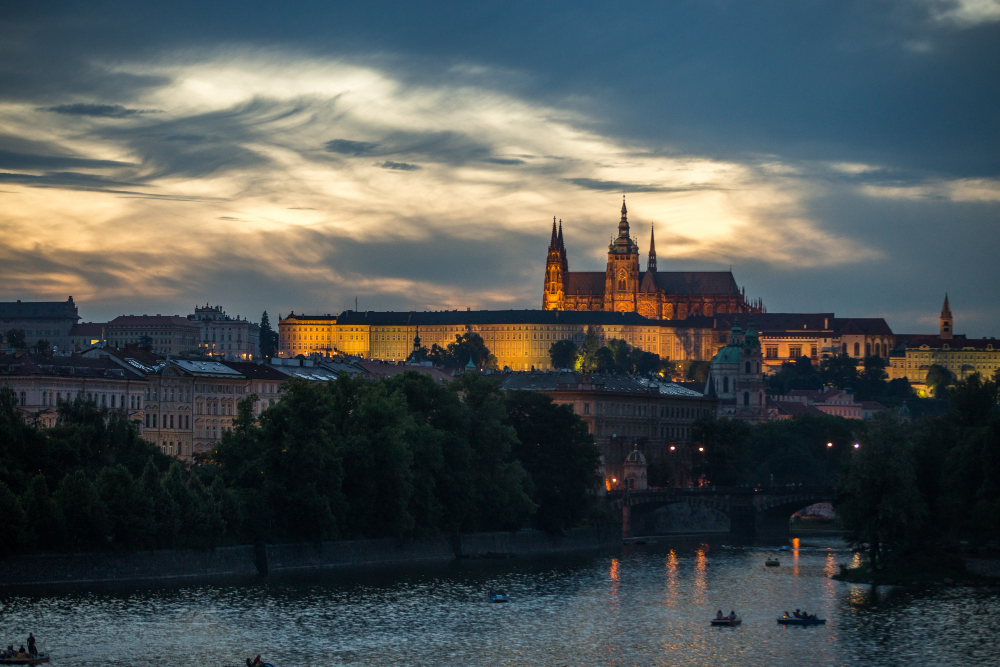
Começando na famosa Ponte Carlos, uma obra-prima gótica que liga a Cidade Velha a Malá Strana, os visitantes podem desfrutar de vistas deslumbrantes do Castelo de Praga e do rio Vltava. Embora a ponte possa ter muita afluência, é totalmente transitável para quem utiliza cadeira de rodas, oferecendo um início espetacular para o passeio.
Em Malá Strana, um dos primeiros locais a visitar é a Igreja de São Nicolau, uma joia da arquitetura barroca em Praga. A igreja é acessível a cadeiras de rodas, permitindo admirar a impressionante cúpula e o interior opulento. Nas proximidades encontra-se o Muro John Lennon, acessível e em constante transformação, repleto de arte e mensagens de paz.
Continuando pelas ruas de Malá Strana, o percurso pode levar ao Palácio Wallenstein, um impressionante complexo barroco que alberga o Senado Checo. Os jardins são um oásis de tranquilidade na cidade e estão adaptados para pessoas em cadeira de rodas, com caminhos planos e avenidas largas.
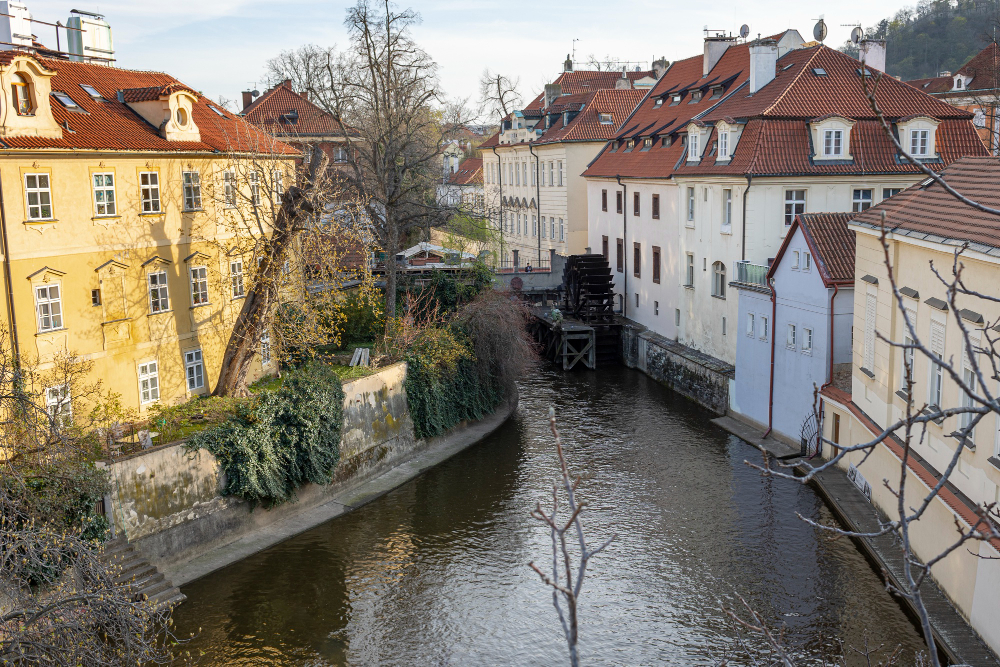
Um ponto imperdível é a Ilha Kampa, já mencionada, um refúgio de paz e arte nas margens do Vltava. O parque da ilha é ideal para um piquenique ou simplesmente para desfrutar de um momento de descanso, com percursos acessíveis e vistas encantadoras sobre a água e as casas envolventes.
Para quem se interessa por história e cultura, o Museu Kafka, também em Malá Strana, oferece uma imersão na vida e obra do famoso escritor de Praga. Embora seja importante verificar a acessibilidade específica do museu, muitos espaços em Praga têm feito esforços para acolher todos os visitantes.
Outro ponto de interesse é a Igreja de Nossa Senhora Vitoriosa, onde se encontra o famoso Menino Jesus de Praga. Esta igreja, além do seu forte significado espiritual, é acessível a utilizadores de cadeira de rodas, permitindo a todos desfrutar de um ambiente tranquilo e contemplativo.
No que toca à experiência gastronómica, Malá Strana oferece vários restaurantes e cafés que se destacam não só pela qualidade da cozinha, mas também pela acessibilidade. É aconselhável pesquisar e escolher espaços com condições adequadas para cadeira de rodas, garantindo uma refeição sem complicações.
Para terminar o percurso, recomenda-se a visita aos Jardins Petřín, acessíveis através do funicular de Petřín. Embora seja essencial confirmar previamente a acessibilidade do funicular e dos jardins, este local oferece uma das melhores vistas panorâmicas de Praga, bem como percursos agradáveis e zonas de descanso.
Este passeio por Malá Strana mostra que, com planeamento adequado, Praga pode ser uma cidade extremamente acessível e agradável para todos. Cada rua, cada recanto de Malá Strana, está cheio de história, arte e beleza, pronto para ser explorado por visitantes de todas as capacidades.
Aqui estão resumos das opções de restauração acessíveis nos restaurantes mencionados em Praga:
Art Nouveau Palace Hotel's Café Palace: https://www.palacehotel.cz/es/
Ambiente: Decoração simples, mas elegante, com atmosfera ideal para relaxar com amigos ou colegas, combinando tons vermelho-escuro e verde com madeira escura.
Cozinha: Oferece um menu rico com pratos saborosos, sugestões de dias úteis, sobremesas emblemáticas e pastelaria, acompanhado por ampla seleção de chás e cafés.
Acessibilidade: Tanto o hotel como o restaurante são acessíveis para cadeira de rodas.
Horário: 11:30 - 22:30
Contacto:
- Panská 897/12, 110 00 Nové Město, Czechia.
- Telefone: (+420) 224 093 194.
- Email: [email protected].
Restaurant Alcron: https://www.alcronprague.cz/restaurace
Reputação: Referência de arte culinária desde 1932, reconhecido pela gastronomia e serviço; é um dos poucos restaurantes com estrela Michelin adaptados para pessoas com mobilidade reduzida.
Cozinha: Utiliza ingredientes locais e preparação ética dos alimentos para criar uma experiência única, com uma versão moderna e atrativa da cozinha da Europa Central.
Horário: Segunda a sexta: 12:00 - 15:00 e 18:00 - 23:00. Sábado: apenas jantar. Encerrado ao domingo.
Contacto:
- Štěpánská 623/40, 110 00 Nové Město, Czechia.
- Telefone: (+420) 222 820 000.
Augustine Restaurant:
https://www.marriott.com/en-us/hotels/prglc-augustine-a-luxury-collection-hotel-prague/dining/?scid=f2ae0541-1279-4f24-b197-a979c79310b0
Localização: Junto ao pátio de um antigo mosteiro agostiniano, oferecendo uma combinação harmoniosa de 700 anos de história com design moderno.
Cozinha: Destaca ingredientes sazonais frescos, receitas simples mas saborosas e apresentação singular dos pratos, inspirada na localização histórica.
Acessibilidade: Acessível para cadeira de rodas.
Horário: 07:00 - 23:00 diariamente.
Contacto:
- Letenská 33, 118 00 Malá Strana, Czechia.
- Telefone: (+420) 266 112 233.
- Email: [email protected].
Estes restaurantes oferecem não só uma experiência gastronómica acessível para pessoas com desafios de mobilidade, mas também a oportunidade de saborear algumas das melhores propostas culinárias de Praga em cenários únicos e históricos.