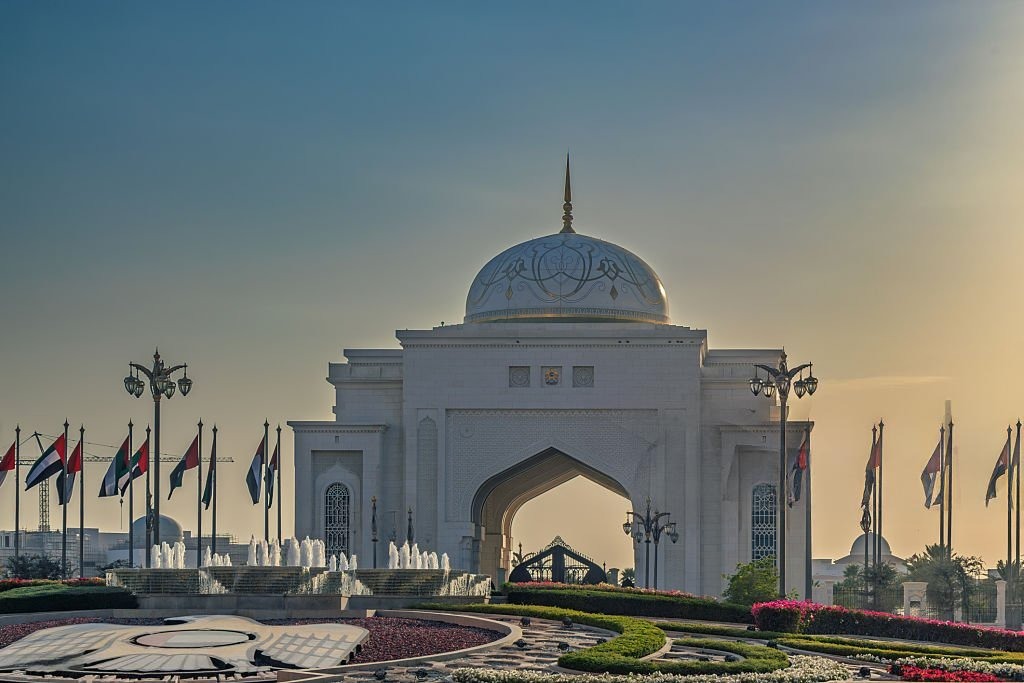
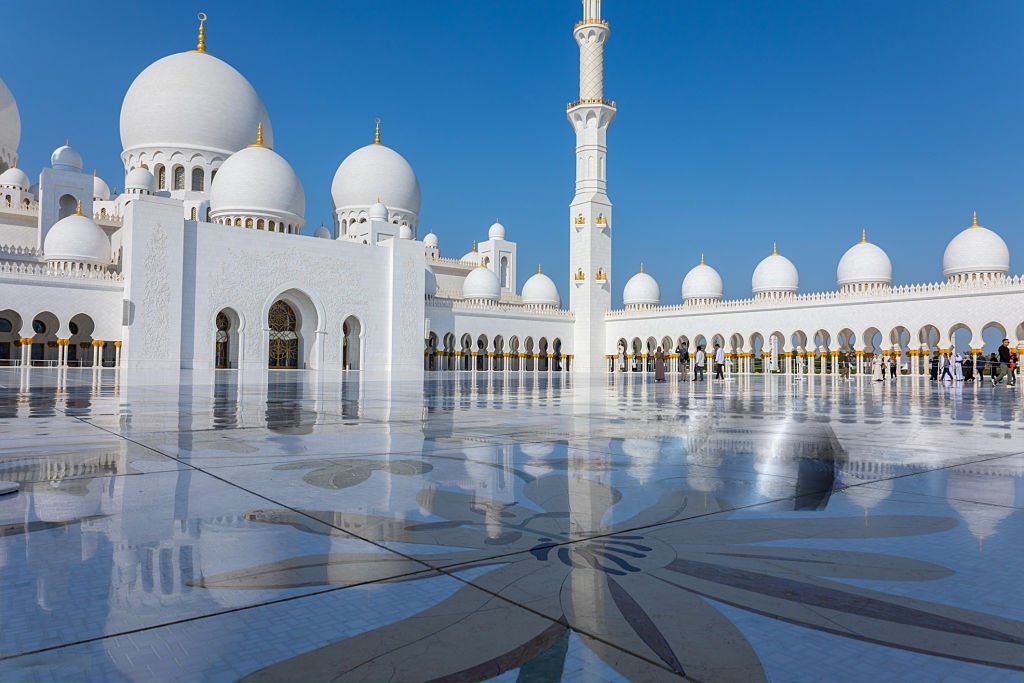
Located on an island along the Persian Gulf, Abu Dhabi is a city where modernity and deep-rooted Arab heritage exist in harmony. As the capital of the United Arab Emirates, Abu Dhabi has become a world-class destination that prioritizes inclusive design, universal accessibility, and hospitality for all.
With a diverse population of over 1.5 million, the city has invested heavily in infrastructure, transport, and public services that ensure a seamless experience for people with reduced mobility, sensory disabilities, or cognitive needs.
Cultural Heritage and Accessible Historic Sites
Despite its contemporary image, Abu Dhabi proudly honors its heritage. Iconic sites such as the majestic Sheikh Zayed Grand Mosque have been designed with accessibility in mind, featuring smooth ramps, elevators, tactile signage, and trained staff to assist visitors with different abilities. Blind and visually impaired guests have access to detailed audio guides, while visitors with limited mobility benefit from step-free routes across its vast marble courtyards.
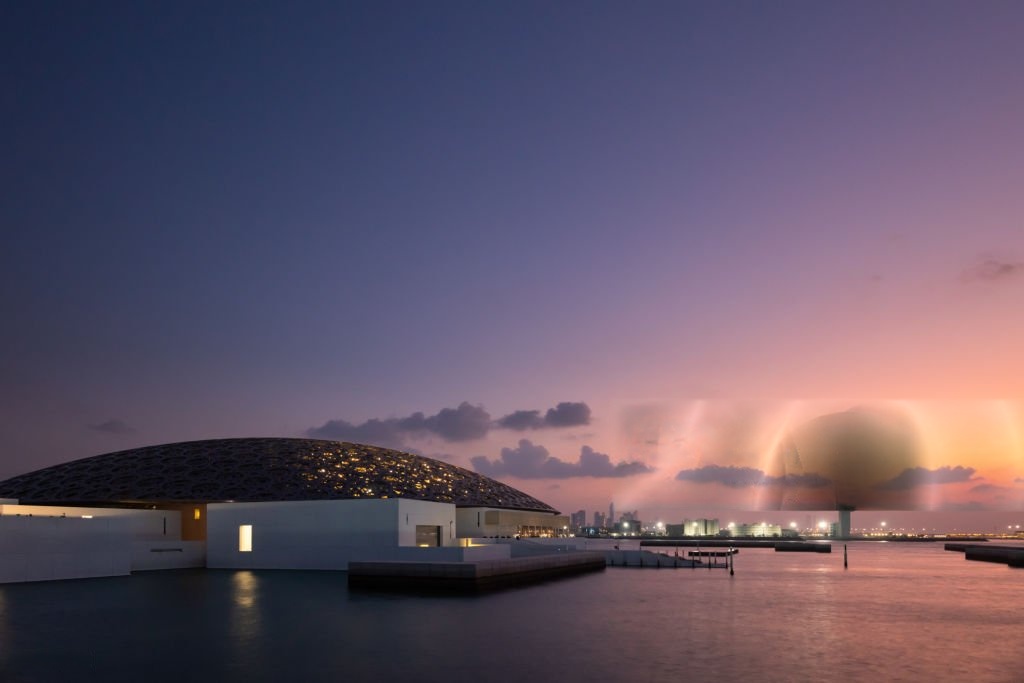
Museums like the Louvre Abu Dhabi and Qasr Al Hosn offer inclusive experiences, including accessible platforms, sign language-interpreted tours, tactile exhibits, and materials in braille or easy-to-read formats.
Urban Design and Public Spaces for All
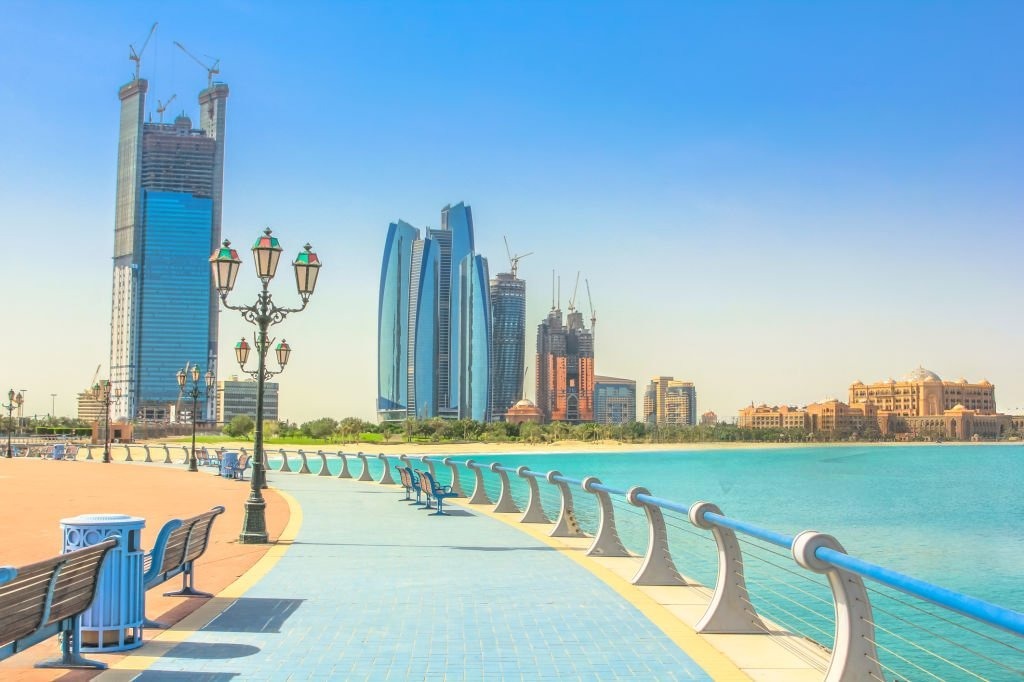
Abu Dhabi’s urban planning is deeply rooted in accessibility. Wide sidewalks, audio-enabled pedestrian crossings, clear multilingual signage, and shaded public spaces with ergonomic seating and accessible water fountains are common features. Along the scenic Abu Dhabi Corniche, visitors can enjoy flat walking paths, adapted rest areas, and accessible public restrooms.
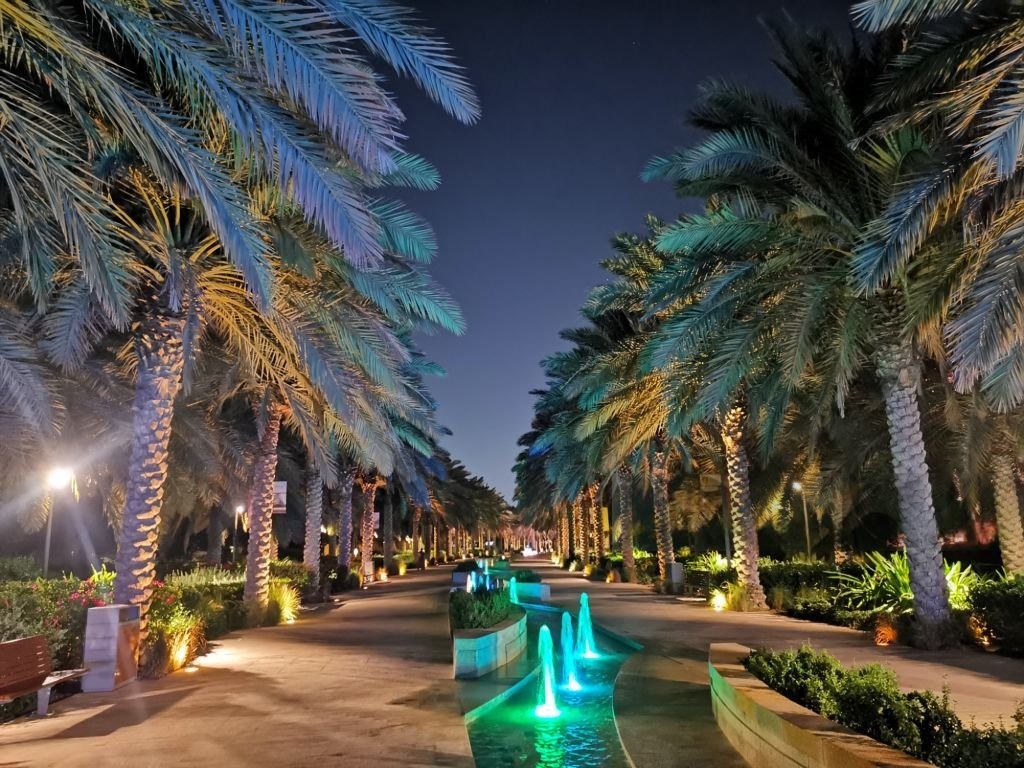
Parks such as Umm Al Emarat Park are designed to welcome all, with level walkways, sensory gardens, inclusive playgrounds, and staff trained to assist families with children with disabilities.
Transport and Inclusive Mobility
Abu Dhabi’s public transportation system—including buses and taxis—features vehicles equipped with automatic ramps, designated wheelchair spaces, visual and audio information systems, and trained drivers.
Abu Dhabi International Airport has earned recognition for its inclusive approach. It offers full PRM (Persons with Reduced Mobility) services, including personalized assistance, priority access, accessible facilities, and rest areas with both tactile and audio guidance.
Culture, Education, and Hospitality for All
Culturally, Abu Dhabi is home to global events such as the Abu Dhabi Festival and the International Book Fair, both of which feature accessible programming, sign language interpretation, and simultaneous translation. Institutions like the Abu Dhabi Cultural Foundation Theater offer performances with audio description, live subtitles, and accessible seating.
The city also promotes accessibility in its vibrant culinary scene. From traditional Emirati eateries to high-end restaurants, many venues offer braille menus, step-free access, trained staff, and digital platforms compatible with screen readers.
Inclusive Tourism: A Sustained Vision
The Department of Culture and Tourism – Abu Dhabi has developed accessible tourist itineraries featuring inclusive guided tours of cultural sites, barrier-free coastal walks, and immersive heritage experiences. Mobility equipment such as electric scooters and smart canes are available, along with tactile maps and sign language interpretation in Emirati Sign Language.
Hotels, tour operators, and cultural institutions collaborate closely with community organizations to deliver a fully barrier-free experience from arrival to departure.
Abu Dhabi: A City That Moves Forward with Everyone
Abu Dhabi shows that innovation and inclusion go hand in hand. It is a city that celebrates diversity, embraces dignity, and upholds accessibility as a fundamental right.
With forward-thinking infrastructure, cutting-edge technology, and a deep commitment to the well-being of all, Abu Dhabi positions itself as a leader in inclusive tourism in the Arab world—offering every visitor the chance to explore its cultural, natural, and human richness without limits or barriers.
Abu Dhabi offers a range of Tourist Information Centers located at key entry points and popular visitor areas, including the airport, major landmarks, and cultural districts. These centers are essential for first-time visitors and returning travelers alike, offering expert guidance, multilingual support, and accessibility-focused services.
All centers are staffed by trained professionals who provide maps, brochures, city guides, and advice on attractions, transportation, and accommodation. Many also assist with tour bookings, cultural event tickets, hotel recommendations, and inclusive tourism options. Most accept international credit and debit cards.
Tourist Information Center – Abu Dhabi International Airport (AUH)
Located in the Arrivals Hall of Terminal 1, this center is the first stop for many travelers entering the UAE. It offers step-free access, clear visual signage, and staff trained in PRM (Persons with Reduced Mobility) assistance. It’s ideal for organizing your stay as soon as you land.
Services include hotel and transport bookings, city maps, travel passes, cultural event information, and guidance on accessible attractions and mobility services.
Address & Contact
Abu Dhabi International Airport – Terminal 1, Arrivals Area
Phone: +971 2 505 5555
Website: www.visitabudhabi.ae
Tourist Information Center – Qasr Al Hosn Cultural District
Situated near one of Abu Dhabi’s most iconic historical landmarks, this center is ideal for visitors exploring the city’s heritage sites and art institutions. The facility is fully accessible, with tactile signage, adapted counters, and seating areas.
You can receive information on museum tickets, cultural events, walking tours, and nearby accessible dining and shopping venues.
Address & Contact
Qasr Al Hosn, Sheikh Rashid Bin Saeed Street
Phone: +971 2 697 6400
Tourist Information Center – Abu Dhabi Corniche
Located near the popular public beach and promenade, this center serves tourists looking for leisure and outdoor activities. It provides assistance with bicycle rentals, accessible beach access, city tours, and information on inclusive recreational areas such as family parks and public art installations.
The center features flat walkways, wheelchair-friendly facilities, and shaded waiting areas.
Address & Contact
Abu Dhabi Corniche – Near Gate 2 Public Beach Access
Phone: +971 2 444 0444
Tourist Pass – Abu Dhabi Pass
The Abu Dhabi Pass is a smart and cost-saving option for visitors planning to explore the city's main attractions and experiences. Available in flexible durations (1, 2, or 3-day options), the pass includes entry to major sites and discounts on transportation and guided tours.
What’s Included in the Abu Dhabi Pass?
- Entry to top attractions such as Louvre Abu Dhabi, Qasr Al Watan, and observation decks
- Discounts on desert safaris, boat cruises, and cultural shows
- Guided tours and city experiences
- Access to hop-on hop-off sightseeing buses (select options)
Accessibility
Many attractions included in the Abu Dhabi Pass are fully accessible, offering ramps, elevators, adapted restrooms, braille signage, and trained staff. Visitor information centers can help plan barrier-free itineraries and offer advice tailored to mobility or sensory needs.
Where to Buy It
- At official Abu Dhabi Tourist Information Centers
- Online at www.visitabudhabi.ae
- Through selected hotels and travel agencies
Abu Dhabi International Airport (AUH)
Commitment to Accessibility, Dignity, and Inclusion in Air Travel
Abu Dhabi International Airport (AUH), the main air gateway to the capital of the United Arab Emirates, stands out for its modern, efficient, and human-centered approach to serving all passengers. Aligned with international best practices and national accessibility standards, AUH ensures a safe, comfortable, and respectful travel experience for people with reduced mobility as well as those with physical, sensory, or cognitive disabilities.
Entrances and Circulation
All terminal entrances are equipped with automatic doors, gently sloped ramps, and level surfaces. Interior spaces are designed for the smooth movement of wheelchairs, mobility aids, and other assistive devices. Elevators feature Braille signage, auditory indicators, and visual displays to support independent navigation throughout the airport.
Accessible Parking
The airport offers designated parking spaces for people with disabilities in all major parking zones, including Premium and Economy areas. These spaces are strategically located near terminal entrances and connected via accessible walkways. Vehicles properly displaying a disability permit may be eligible for preferential rates and extended parking times.
Passenger Assistance Service (PRM)
AUH provides a comprehensive 24-hour assistance service for passengers with reduced mobility (PRM), coordinated with all airlines. The service includes guided support from the moment of arrival—by private vehicle, taxi, or public transport—through check-in, security screening, immigration, and boarding. It is recommended to request the service at least 48 hours in advance, either through the airline or the airport’s official website.
Accessible Restroom Facilities
Accessible toilets are available throughout the terminals, including public areas, restricted zones, and VIP lounges. These facilities offer easy-to-open doors, grab bars, wheelchair maneuvering space, low-mounted sinks, and emergency call buttons. Family restrooms and adult changing stations are also available in designated areas.
Information and Customer Service
Information counters are designed at accessible heights and are staffed by multilingual personnel trained in inclusive service. The airport participates in the Hidden Disabilities Sunflower program, offering discreet assistance to travelers with non-visible disabilities.
Waiting Areas and VIP Lounges
General waiting areas include accessible seating and designated spaces for wheelchair users. Charging stations for electronic devices are positioned at accessible heights. All VIP lounges are fully wheelchair accessible and offer personalized assistance upon request, as well as adapted restroom facilities.
Relief Areas for Assistance Dogs
The airport provides outdoor relief zones for guide and service dogs, located near terminal entrances. These areas are clearly marked, regularly maintained, and easily accessible. Staff can escort passengers to these locations upon request.
Internal Mobility
While there is no internal tram system, the airport offers electric carts and accessible minibuses for transport between terminals and parking areas, upon request. All levels are connected via elevators, escalators, and ramps. Manual wheelchairs can also be requested through the PRM assistance service.
Restaurants and Shops
All commercial and dining establishments at the airport are designed to be fully accessible. Aisles are wide and unobstructed, and furniture is arranged to allow smooth wheelchair movement. Some venues provide menus in Braille or large print formats, and staff are trained to accommodate dietary restrictions and specific needs.
Contact Information
Address:
Abu Dhabi International Airport – Terminal A
Abu Dhabi, United Arab Emirates
Phone: +971 2 505 5555
Email: [email protected]
Website: www.abudhabiairports.ae
Transportation from the Airport to Abu Dhabi City Center
The airport is located approximately 30 kilometers from the city center. Several accessible transportation options are available.
Public Bus – A1 Service
This bus connects the airport to Abu Dhabi’s central bus terminal approximately every 40 minutes. The vehicles are fully accessible, with ramps, wheelchair spaces, audio-visual announcements, and air conditioning. The fare is approximately AED 4 (around €1).
More information: www.darb.ae
Accessible Taxis
Abu Dhabi’s official taxi fleet includes vehicles adapted for wheelchair users, operated by TransAD. These taxis are equipped with ramps or lifts, provide ample space, and are driven by trained professionals. Reservations can be made by calling 600 535353 or via the “Abu Dhabi Taxi” mobile app, where accessible vehicles can be selected.
Urban Accessibility in Abu Dhabi
The city has made significant progress in enhancing its public infrastructure with universal design principles. Sidewalks include ramps and tactile paving, pedestrian crossings feature audible signals, and most public buses are equipped with accessibility features. Major museums, cultural centers, and hotels offer fully accessible environments, specialized services, and trained staff.
Hudayriyat Beach – Hudayriyat Island
Just 15 minutes from downtown Abu Dhabi, Hudayriyat Beach is part of a large recreational area known for its inclusive design and calm waters. It is one of the most accessible public beaches in the UAE, ideal for visitors with reduced mobility and families.
- Accessibility:
The beach features paved pathways and wooden boardwalks connecting the parking area to the shoreline. There are no steps or curbs along the main routes, and rest zones are fully barrier-free. - Assistance Services:
Park staff are trained to assist people with special needs, including transfers, navigation, and access to amenities. Lifeguards are present during operational hours and can assist with water entry upon request. - Accessible Restrooms:
Located near the main entrance, the restrooms and changing cabins are adapted with grab bars, wide doors, and wheelchair maneuvering space. - Special Equipment:
Amphibious (floating) wheelchairs are available free of charge. Advance reservation is recommended, especially on weekends and public holidays. - Getting There by Public Transport:
Currently, public transport access is limited. Taxis and ride-hailing services like Careem and Uber are recommended. The route from the parking area to the beach is fully accessible.
Corniche Beach – Abu Dhabi Corniche
Corniche Beach is one of the city’s most popular destinations, stretching over 2 kilometers along the scenic waterfront. It is divided into public, family, and singles zones and features adapted infrastructure.
- Accessibility:
Flat pedestrian paths, ramps, and shaded walkways lead directly to the beach. In some zones, non-slip mats allow easier access from the promenade to areas near the water. - Assistance Services:
Municipal staff and lifeguards are present during open hours. While no technical assistance is provided, staff can help with guidance and access to rest areas. - Accessible Restrooms:
Adapted toilets and changing rooms are located at main access points, with clear signage and emergency call buttons. - Special Equipment:
A limited number of floating beach chairs are available upon request through the beach administration. Wheelchairs can also be rented through private providers. - Getting There by Public Transport:
Accessible bus routes 34 and 11 stop along the Corniche promenade. Paved walkways from the stops to the beach ensure barrier-free access.
Al Bateen Beach
Located on Abu Dhabi’s western shoreline, Al Bateen Beach offers a calm setting with views of Hudayriyat Island. It’s a great option for families seeking a quieter environment.
- Accessibility:
Accessible parking, flat surfaces, and ramps connect the entrance to the beach promenade. Some areas include matting to ease movement over the sand. - Assistance Services:
Staff are primarily available on weekends. During these days, lifeguards are stationed along the beach. - Accessible Restrooms:
Adapted restrooms and changing facilities are located near the main entrance and are cleaned regularly. - Special Equipment:
Amphibious chairs are not guaranteed, but may be requested through nearby hotels or by bringing your own equipment. - Getting There by Public Transport:
Bus routes 54 and 63 connect the city center to the area. The nearest bus stops are a short, accessible walk from the main entrance. Taxis and ride-hailing services are also convenient options.
Partially Accessible Beaches: Saadiyat Public Beach & Al Raha Beach
These scenic beaches are known for their natural beauty but offer limited accessible infrastructure.
- Accessibility:
Both beaches provide parking for people with reduced mobility and basic ramp access. However, walkways may include gravel or loose sand, which can make reaching the shoreline challenging for wheelchair users. - Assistance Services:
Staff at these locations may offer limited support with beach umbrellas or locating rest areas but are not equipped for specialized mobility assistance. - Accessible Restrooms:
Adapted restrooms are available, though the maneuvering space and accessibility standards may vary by location. - Special Equipment:
Amphibious wheelchairs are not currently offered. These beaches are best suited for relaxing near the sea rather than entering the water. - Getting There by Public Transport:
Public transport access is limited. You may reach nearby areas by bus from major stations, but a short taxi or private transfer is typically required to reach the entrance. Drop-off points are generally flat and accessible.
Abu Dhabi, the capital of the United Arab Emirates, is a city where modern skyscrapers, Islamic architecture, and Emirati heritage blend in harmony. Thanks to significant investments in inclusive design and accessible urban planning, many of its key attractions are open to wheelchair users and travelers with reduced mobility. Below is a curated route for discovering Abu Dhabi’s cultural center—barrier-free.
Start of the Tour: Qasr Al Hosn
Begin your journey at Qasr Al Hosn, the oldest stone building in Abu Dhabi and a symbol of the city’s origins.
Accessibility:
Qasr Al Hosn features smooth, paved surfaces, ramps, step-free entries, and elevators throughout. Signage is clear and multilingual, and staff are trained in inclusive service.
What to do:
Explore the historic fort, view exhibitions about Abu Dhabi’s early days, and visit the House of Artisans next door to learn about traditional crafts like sadu weaving and palm frond weaving.
Walk Toward the Cultural Foundation and Al Hosn Square
From Qasr Al Hosn, follow the pedestrian paths through Al Hosn Square toward the Cultural Foundation, a modern cultural complex with art galleries, a library, and a theater.
Accessibility:
Wide, curb-free walkways with shaded rest areas. The Cultural Foundation itself is fully accessible, with ramps, elevators, tactile signage, and adapted restrooms.
What to do:
Catch a temporary art exhibit, attend a workshop or poetry reading, or simply enjoy the peaceful courtyard with accessible seating.
Continue to the World Trade Center Souk and Mall
A short walk away is the World Trade Center Souk, a modern reinterpretation of a traditional market, and the adjacent shopping mall.
Accessibility:
The souk features flat pathways, automatic doors, and step-free access throughout. Elevators and ramps connect every level of the mall, and adapted restrooms are available.
What to do:
Shop for souvenirs, spices, or local crafts. Relax at one of the cafés with outdoor seating that accommodates wheelchairs.
Visit the Corniche and Public Beachfront
From the souk area, take a short taxi ride or accessible bus to the Abu Dhabi Corniche, a scenic 8-km promenade by the sea.
Accessibility:
The Corniche features flat pedestrian paths, tactile paving, accessible public restrooms, and beach areas with ramps and shaded seating. Several viewing decks are also step-free.
What to do:
Stroll or roll along the promenade, enjoy waterfront views, or stop for lunch at one of the nearby accessible restaurants and cafés.
Optional Stop: Louvre Abu Dhabi
If you have more time, head to Saadiyat Island to visit the iconic Louvre Abu Dhabi, a world-class museum of art and civilization.
Accessibility:
Built with universal accessibility in mind, the museum offers ramps, elevators, adapted restrooms, wheelchair rental, tactile guides, and accessible exhibits.
What to see:
Masterpieces from East and West, modern installations, and an architectural dome that filters sunlight in a spectacular “rain of light” effect.
Rest at Umm Al Emarat Park
End your day at Umm Al Emarat Park, one of Abu Dhabi’s most inclusive green spaces, located near the city center.
Accessibility:
The park includes level walking paths, accessible restrooms, sensory gardens, wide entrances, and inclusive playgrounds. Staff are trained to assist families and individuals with disabilities.
What to do:
Relax under shaded trees, watch the dancing fountain, or visit the botanical garden and animal barn—all fully accessible.
Dinner at an Accessible Restaurant in Al Bateen or Al Maryah Island
Close your day with a meal by the water—either at Al Bateen Marina or on Al Maryah Island.
Accessibility:
Restaurants in these areas offer step-free entries, wide interior spaces, accessible bathrooms, and trained staff. Some have digital or Braille menus available upon request.
What to try:
Enjoy Emirati seafood, mezze platters, or international cuisine in an elegant yet relaxed setting.
Al Fanar Restaurant & Café
Located near the Louvre Abu Dhabi on Saadiyat Island, Al Fanar offers traditional Emirati cuisine in a vintage-inspired setting that recreates Abu Dhabi in the 1960s. It’s ideal for visitors looking for an authentic cultural dining experience.
Accessibility: Step-free entry and wide passageways throughout the indoor dining area.
Accessible Restrooms: Equipped with grab bars and generous turning space.
Signature Dish: Chicken machboos (spiced rice with chicken and dried lemon).
Contact Information:
Address: Ground Floor, The Collection, Saadiyat Island, Abu Dhabi, UAE
Phone: +971 2 677 1178
Website: https://www.alfanarrestaurant.com/
Tashas – Al Bateen Marina
This stylish and upscale café offers international cuisine with a focus on fresh, seasonal ingredients. Located by the waterfront in Al Bateen Marina, it’s popular for brunch and early dinners in a serene, design-forward environment.
Accessibility: Step-free entrance and open-plan seating for easy wheelchair maneuverability.
Accessible Restrooms: Spacious and fully adapted, with clear signage and support fixtures.
Signature Dish: Avo toast with poached eggs and dukkah.
Contact Information:
Address: Al Bateen Marina, Abu Dhabi, UAE
Phone: +971 2 445 6010
Website: https://www.tashascafe.com/
Sanderson’s – Al Seef Village
Sanderson’s is a wellness-focused restaurant serving nourishing, global comfort food in a minimalist, nature-inspired space. The atmosphere is calm, inclusive, and family-friendly.
Accessibility: Ramp access at entrance and wide, unobstructed interior spaces.
Accessible Restrooms: Restroom includes grab bars, non-slip flooring, and turning space.
Signature Dish: Grilled salmon poke bowl with brown rice and citrus dressing.
Contact Information:
Address: Al Seef Village Mall, Sheikh Zayed Bin Sultan St, Abu Dhabi, UAE
Phone: +971 2 222 1142
Website: https://sandersons.ae/
Jones the Grocer – Mamsha Al Saadiyat
A casual gourmet eatery and specialty grocer by the beach, Jones the Grocer offers an international menu with vegetarian, gluten-free, and family-friendly options. It’s perfect for a beachside meal after visiting nearby cultural sites.
Accessibility: Barrier-free access and ample space between tables.
Accessible Restrooms: Accessible facilities available inside the restaurant with modern fixtures.
Signature Dish: Wagyu beef burger with truffle mayo and hand-cut fries.
Contact Information:
Address: Mamsha Al Saadiyat, Abu Dhabi, UAE
Phone: +971 2 676 7008
Website: https://www.jonesthegrocer.com/
Art House Café – Al Bateen
Art House Café is a colorful, artistic venue serving casual meals, coffee, and desserts. It's housed in a former villa and known for its relaxed atmosphere and community-oriented vibe.
Accessibility: Step-free main entrance and a level ground floor dining area.
Accessible Restrooms: Available, though calling ahead is recommended to confirm accessibility features.
Signature Dish: Chicken Caesar wrap with sweet potato fries.
Contact Information:
Address: Al Bateen, Behind Etihad Modern Art Gallery, Abu Dhabi, UAE
Phone: +971 2 666 0175
Website: https://www.instagram.com/arthousecafeme/