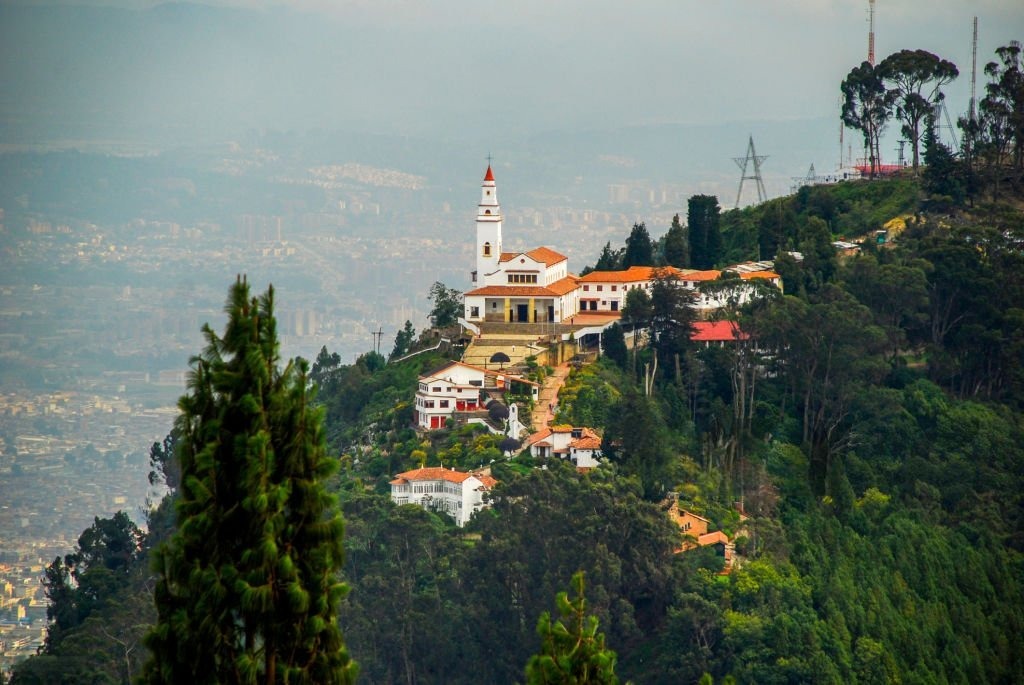
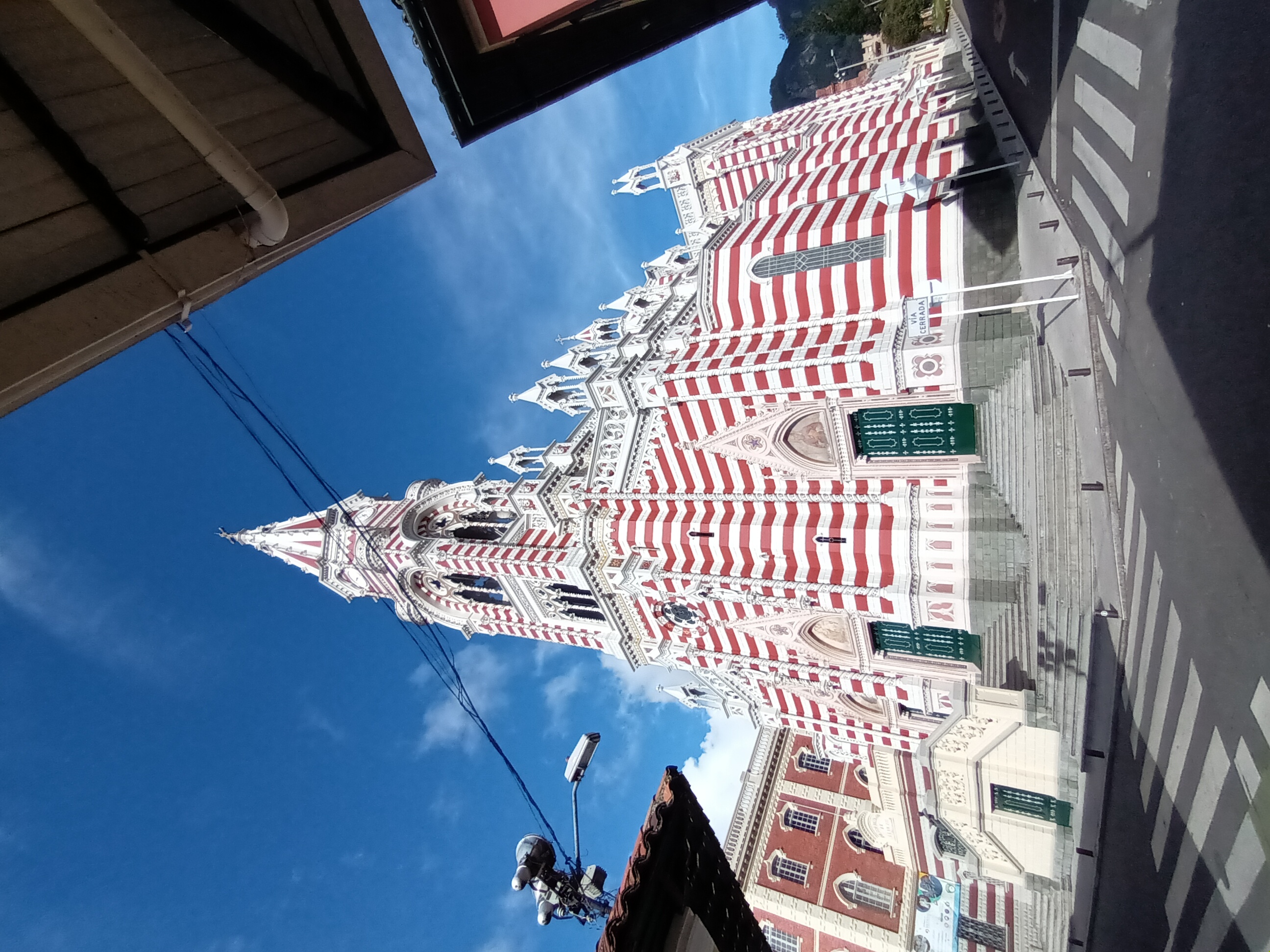
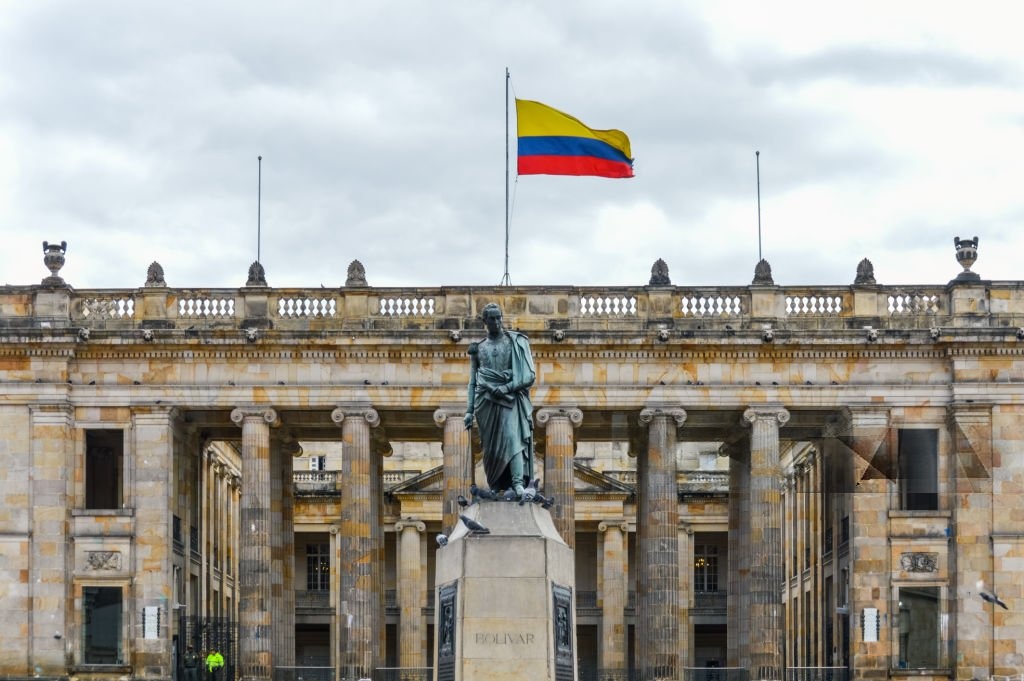
Nestled in the heart of the Colombian Andes, on a vast plateau over 2,600 meters above sea level, Bogotá stands as the vibrant capital of a diverse and dynamic nation. With over eight million inhabitants, it is Colombia’s political, cultural, economic, and academic epicenter—a city where centuries of history meet innovation, and tradition merges with modern urban life.
In recent years, Bogotá has made significant strides in accessibility and inclusive urban design, aspiring to become a welcoming destination for all travelers, including those with reduced mobility, sensory disabilities, and other physical or cognitive conditions.
From historic landmarks and cultural institutions to its parks, museums, and transportation systems, the city is engaged in a long-term process of transformation, embracing universal accessibility principles and inclusive hospitality as pillars of its development.
La Candelaria: Where History Meets Inclusive Urbanism
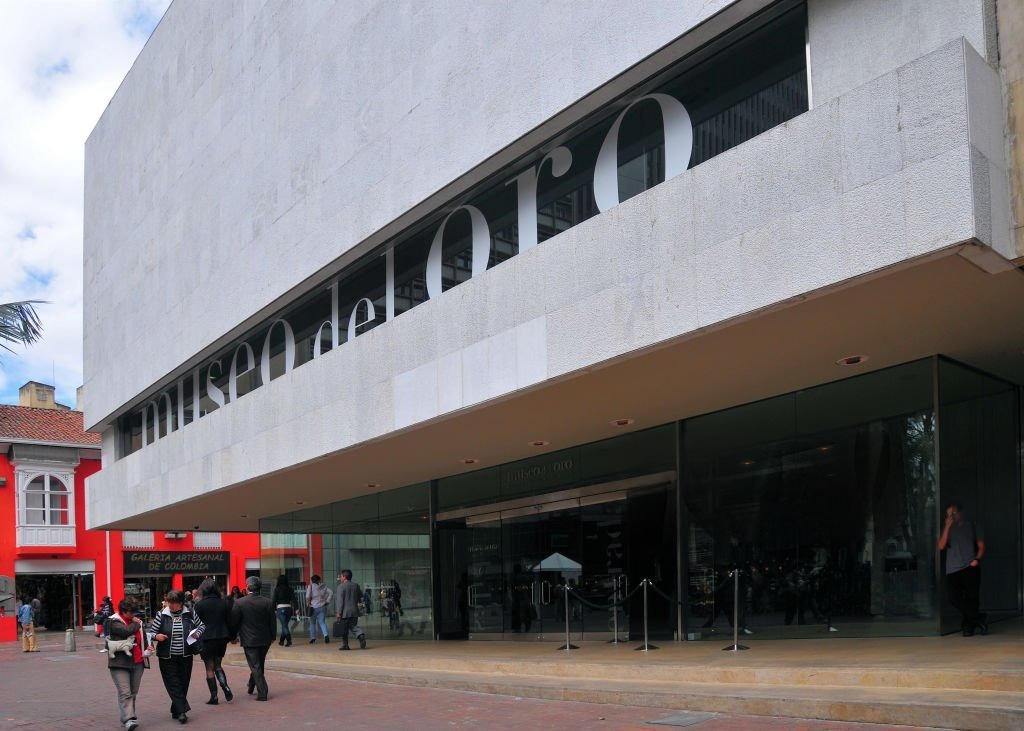
Bogotá’s historical and symbolic heart is La Candelaria, a preserved colonial neighborhood characterized by cobblestone streets, historic houses with colorful balconies, and plazas rich with republican and colonial heritage. This area is home to many of the nation’s most treasured museums and cultural spaces, such as the Gold Museum, the Botero Museum, the Colonial Art Museum, and the Mint House.
These institutions have undergone progressive adaptations to welcome visitors with disabilities, offering ramps, lifts, accessible restrooms, tactile signage, and visual guides. Some museums also provide multisensory guided tours and Colombian Sign Language interpretation for selected exhibitions and events.
While the neighborhood’s topography presents certain challenges, targeted urban interventions have improved sidewalks, pedestrian crossings, and navigation tools to enable safer and more independent movement through this historic zone.
Public Spaces and Inclusive Urban Design: A City in Transition
Bogotá has garnered recognition for its efforts to democratize public space. The municipal administration, in collaboration with institutions such as the Urban Development Institute (IDU) and the District Department of Mobility, has led initiatives to implement accessible sidewalks, tactile paving, audible traffic lights, and barrier-free street furniture.
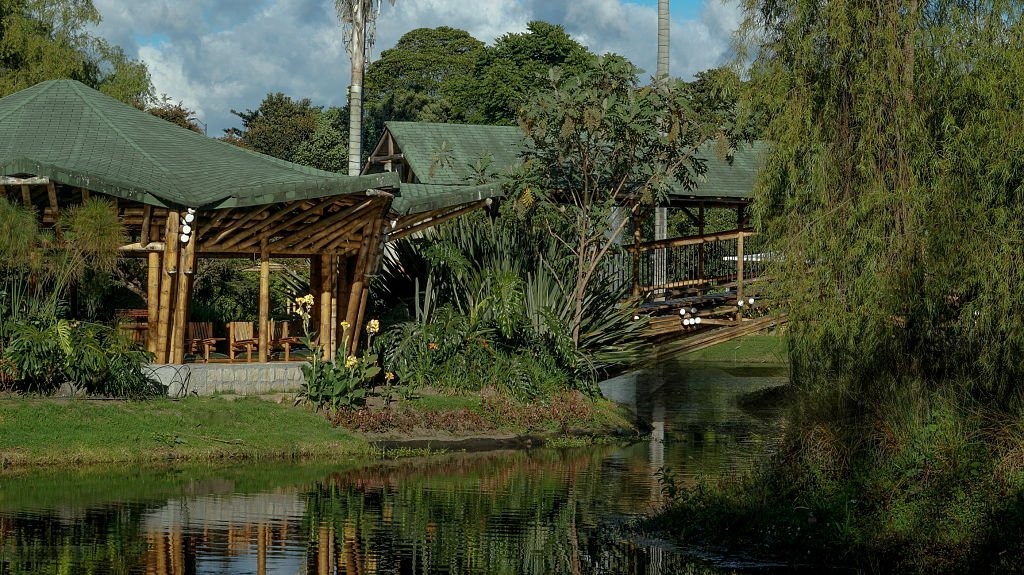
Iconic public spaces such as the Simón Bolívar Metropolitan Park, the José Celestino Mutis Botanical Garden, and the Virgilio Barco Public Library have been adapted to serve all visitors, with paved walkways, ramps, resting areas, and inclusive recreational infrastructure.
Every Sunday and on holidays, Bogotá hosts one of the world’s largest Ciclovía events—a car-free urban corridor that invites people of all ages and abilities to enjoy the city via bike, wheelchair, handcycle, or on foot in a safe and inclusive environment.
Transport and Connectivity: Toward an Inclusive Mobility System
Accessible mobility is central to Bogotá’s urban strategy. TransMilenio, the city’s bus rapid transit (BRT) system, features level boarding, wide doorways, priority seating, and space for wheelchair users. Many stations have elevators, ramps, and accessible fare gates, and efforts are ongoing to expand inclusive service throughout the network.
Complementary to this, the SITP (Integrated Public Transport System) includes low-floor buses with automatic ramps, visual and auditory stop announcements, and adapted bus stops—especially in newer fleet units and on key urban routes.
El Dorado International Airport, one of Latin America's most modern and awarded terminals, provides a fully accessible travel experience. It offers elevators, accessible restrooms, tactile routes, adapted counters, and dedicated staff trained to assist passengers with special needs, available upon prior request. Private accessible taxis and transport services are available from the airport to various parts of the city.
Culture, Education, and Gastronomy for Every Traveler
Bogotá’s rich artistic and intellectual scene is equally committed to inclusivity. Cultural venues such as the Julio Mario Santo Domingo Theatre, the Delia Zapata Olivella National Center for the Arts, the Jorge Eliécer Gaitán Theatre, and the District Planetarium are investing in physical accessibility, as well as inclusive programming—offering live captioning, sign language interpretation, audio description, and multisensory experiences for audiences with diverse needs.
The city’s gastronomic landscape is just as vibrant. From traditional Andean cuisine—such as ajiaco, tamales, and empanadas—to haute cuisine and international fusion, Bogotá boasts an increasingly accessible dining scene. A growing number of restaurants are equipped with step-free entrances, accessible restrooms, Braille menus, visual allergen information, and trained staff capable of offering courteous and informed service to patrons with disabilities.
Inclusive Tourism: Building a City for Everyone
Through the leadership of the District Institute of Tourism (IDT), Bogotá has adopted a comprehensive strategy for inclusive tourism. This includes infrastructure upgrades, sector-wide training programs, awareness campaigns, and the development of accessible experiences for domestic and international visitors alike.
Tailored tourist routes now offer accessible visits to key landmarks, museums, parks, and public plazas. Services include professional guides, sign language interpretation, sensory-friendly environments, printed and digital content in accessible formats, and the availability of rental equipment such as wheelchairs, electric scooters, walkers, and ergonomic aids.
Partnerships with hotels, travel agencies, transport providers, and restaurants are creating a reliable ecosystem of accessible services, positioning Bogotá as a regional leader in inclusive, equitable, and sustainable tourism development.
A City That Moves Forward with Dignity and Inclusion
Bogotá is much more than a political or cultural capital—it is a living, breathing city that embraces diversity and strives to ensure dignity, autonomy, and well-being for all its residents and visitors.
Its architectural heritage, natural beauty, cultural vitality, and progressive urban vision converge in a shared purpose: to become a city where access is not a privilege, but a right. As it continues to evolve and expand its inclusive infrastructure, Bogotá warmly opens its doors to everyone, regardless of age, ability, or origin—offering a memorable and enriching experience rooted in hospitality, respect, and universal design.
These visitor centers are open throughout the year and are strategically located in key areas of the city, such as the international airport, the historic downtown district, and major urban parks. They serve as essential reference points for travelers arriving in Colombia’s capital city.
All centers are staffed with multilingual personnel ready to assist you with any questions during your stay. In addition to general guidance, you can obtain free maps, tourist brochures, and purchase tickets for museums, excursions, transport passes, cultural events, and guided city tours. All of them accept credit and debit card payments.
Tourist Information Point – El Dorado International Airport (BOG)
Located in the arrivals terminal of Bogotá’s main airport, this is one of the busiest and most convenient information points in the city. It is open every day of the year and is fully accessible for people with reduced mobility, with step-free access, elevators, and a lowered service counter.
Here you can get information about safe transportation, major cultural attractions, local accommodations, accessible tours, and day trips. You can also pick up brochures and maps, buy the Bogotá City Pass, and arrange airport transfers.
- Address and Contact:
El Dorado International Airport – Arrivals Terminal
Phone: (+57) 601 266 2000 ext. 1234
Email: [email protected]
Tourist Information Point – La Candelaria (Historic Center)
Located in Bogotá’s colonial district, just steps from major landmarks such as the Gold Museum and Plaza de Bolívar, this center is ideal for visitors exploring the city on foot. It is open daily and is fully accessible for wheelchair users.
You will find updated information on walking tours, museums, street art routes, accessible restaurants, cultural events, and historical sites. Tickets for public transportation, museums, and guided tours are also available for purchase here.
- Address and Contact:
Carrera 8 #10-65, La Candelaria (next to the Tourism Office)
Phone: (+57) 601 328 5400
Email: [email protected]
Tourist Information Point – Simón Bolívar Park
This visitor center is located near the main lake in Bogotá’s largest urban park and serves both local families and international tourists. It is open year-round and fully accessible, with surrounding inclusive recreational areas and paved walking paths.
You can get information about concerts, public festivals, green tourism, family activities, and outdoor excursions. Tickets for cultural events and recreational programs are also available here.
- Address and Contact:
Avenida Calle 63 #45-10, inside Simón Bolívar Park
Phone: (+57) 601 249 0925
Email: [email protected]
Tourist Pass – Bogotá City Pass
If you plan to explore several cultural attractions during your stay in Bogotá, the Bogotá City Pass is a convenient and cost-effective option. This tourist card provides access to museums, historical landmarks, and public transport, with special rates and discounts.
It is available year-round and can be purchased at the main tourist information offices, including those at the airport, La Candelaria, and Simón Bolívar Park.
What does the Bogotá City Pass include?
The pass offers several benefits, such as:
- Free or discounted entry to participating museums and cultural institutions (e.g., Gold Museum, National Museum, Art Museums)
- Discounts on guided walking tours, gastronomic experiences, bike rentals, and themed excursions
- Optional access to public transportation (TransMilenio and SITP), depending on the type of pass selected
- Special offers on entertainment, rentals, and city tours
Available pass types:
- Valid for 1, 3, or 5 days
- Some versions include unlimited public transport
Accessibility:
Many of the included attractions, such as the Gold Museum, National Museum, and Botanical Garden, feature step-free access, accessible pathways, elevators, and adapted restrooms. You can ask at any tourist information point which specific sites offer full accessibility.
Where to buy it:
- At the official tourist information centers in Bogotá
- At El Dorado International Airport (Arrivals Terminal)
- Online via official tourism platforms and authorized travel agencies
El Dorado International Airport (BOG)
El Dorado International Airport (BOG), the principal air gateway to Bogotá and one of Latin America’s most advanced aviation hubs, is fully committed to providing a safe, accessible, and dignified experience for all passengers, including those with reduced mobility (PRM) and individuals with physical or sensory disabilities. The airport adheres to Colombian accessibility standards and aligns with international best practices in inclusive airport design and passenger services.
Entrances and Circulation
- All entrances and exits at El Dorado are fully accessible, with wide automatic sliding doors, level surfaces, curb-free sidewalks, and integrated ramps. Both domestic and international terminals are connected by spacious, step-free corridors equipped with non-slip flooring and tactile signage for ease of orientation and safety.
Accessible Parking
- Designated parking spaces for persons with disabilities are available in all parking areas, including short- and long-term lots. These spaces are located close to the main terminal entrances and are connected to the terminal via accessible ramps and elevators. Vehicles displaying official disability permits may be eligible for extended parking time and reduced rates, subject to confirmation with airport authorities.
Passenger Assistance Services (PRM)
- Passenger assistance for persons with reduced mobility is available at all times. Trained staff provide personalized support from the point of arrival (parking area, curbside, or terminal entrance) to the departure gate, assisting throughout check-in, security screening, migration control, and boarding. It is strongly recommended to request PRM services at least 48 hours in advance, either through the airline or directly with the airport.
Adapted Restrooms
- Accessible restrooms are available throughout the airport, including in public areas, waiting lounges, and boarding zones. These facilities include wide doors, turning space for standard and electric wheelchairs, grab bars, lowered sinks, and emergency alert systems. Family restrooms and adult changing areas are also available in designated locations.
Information and Help Desks
- Information counters feature dual-height surfaces and are staffed by trained personnel experienced in assisting travelers with visible and invisible disabilities. El Dorado is part of inclusion programs such as the Sunflower Lanyard initiative, which provides discreet support for passengers with hidden disabilities.
Waiting Areas and VIP Lounges
- Waiting areas across the terminal offer inclusive seating with designated spaces for wheelchair users and their companions. Power outlets for mobility devices and low-height charging stations are available throughout the terminal. All VIP lounges are wheelchair accessible and provide adapted restrooms and staff support upon request.
Service Animal Relief Areas
- Designated outdoor relief areas for service animals are located near terminal entrances. These zones are accessible to wheelchair users and are marked with visible and tactile signage. Staff are available to guide travelers to these locations as needed.
Internal Transport and Mobility Assistance
- Although El Dorado does not have an internal train or tram system, mobility assistance is available on request. Manual wheelchairs, electric carts, and scooter rentals can be coordinated in advance through certified service providers. Internal transport between terminals is available when necessary.
Dining and Retail Services
- All restaurants, cafés, and shops within the airport are wheelchair accessible. Aisles are wide and free of obstructions, and tables are spaced for comfortable navigation. Staff are trained to assist passengers with special needs, and many establishments offer accessible menus or allergy-specific options upon request.
El Dorado Airport Contact Information
- Address: El Dorado International Airport, Terminal 1 – Arrivals Area
Phone: (+57) 601 266 2000
Email: [email protected]
Website: www.eldorado.aero
El Dorado International Airport is equipped to provide all travelers with a safe, dignified, and fully accessible travel experience.
Transportation from the Airport to Bogotá City Center
For passengers traveling from El Dorado International Airport to downtown Bogotá, several accessible transportation options are available, ranging from public transit to private services specifically adapted for mobility needs.
Public Transportation – SITP Buses
Bogotá’s Integrated Public Transportation System (SITP) connects the airport to the city using low-floor buses equipped with:
- Deployable ramps
- Reserved wheelchair spaces
- Audio and visual stop announcements
- Air conditioning
Recommended route:
K86 – El Dorado Airport → International Business District (Centro Internacional)
Frequency: Every 15–20 minutes
Estimated duration: 40–50 minutes
Fare: 2,950 COP
Note: While many buses are fully accessible, some stations may still pose barriers. Pre-planning is recommended.
Adapted Taxis
Bogotá offers a limited fleet of adapted taxis equipped with ramps or lifts and ample space for standard wheelchairs. Drivers are trained in assisting passengers with disabilities, and advance booking is highly recommended.
Suggested providers:
Taxi Aéreo Bogotá
Phone: (+57) 310 322 2222
Website: www.taxiavionbogota.com
Mobile Apps: Easy Taxi and Cabify (with accessibility filters available)
Private Transfers and Specialized Services
Private transportation providers offer accessible vehicles for hotel transfers, clinic visits, business travel, and tourism. These services include door-to-door pick-up, luggage handling, and personalized assistance.
Recommended provider:
Transporte Accesible Colombia
Phone: (+57) 314 328 7744
Website: www.transporteaccesiblecolombia.com
Ground Transportation Terminals
Bogotá’s main bus terminals, such as Terminal de Transportes Salitre and Terminal Norte, are equipped with accessible infrastructure, including:
- Step-free routes, ramps, and tactile signage
- Accessible parking and waiting areas
- Adapted restrooms and dual-height ticket counters
- Personalized assistance available upon request
Getting Around the City of Bogotá
The city of Bogotá is undergoing a progressive transformation to improve urban accessibility, with ongoing investments in pedestrian infrastructure, public transportation, and inclusive public services.
Urban Mobility Features
- Renovated sidewalks with tactile paving
- Audible pedestrian signals at intersections
- Improved access to TransMilenio BRT stations
- Signage with universal design principles in tourist and administrative areas
Additional Support Services
- Several tour agencies provide guided excursions in accessible vehicles
- Wheelchairs, electric scooters, walkers, and other mobility aids can be rented with hotel delivery
- Many hotels, museums, and cultural institutions offer Braille materials, adapted menus, and trained staff
Colombia and its coastal regions offer several accessible beaches for people with reduced mobility. Below are some of the most important ones, including details about adapted access points, assistance services, restrooms, and how to get there from the city center using accessible public transportation.
Bocagrande Beach – Cartagena
Located in the tourist district of Bocagrande, this urban beach is one of the most visited in Cartagena and has been adapted to improve accessibility for people with reduced mobility.
- Accessible access: The beach features ramps from the main avenue to the sand, wooden walkways, and amphibious beach wheelchairs to facilitate entry into the water.
- Assistance services: Trained lifeguards and tourism staff are available to assist with equipment use and beach access.
- Adapted restrooms: Accessible restrooms and changing rooms are located near the main beach area.
- Special equipment: Floating chairs are available free of charge. It is recommended to request them in advance, especially during high season.
- How to get there by public transport: Local buses with level boarding operate from the historic center to Bocagrande. Accessible taxis are also available by prior booking.
Rodadero Beach – Santa Marta
Rodadero is one of the most popular tourist spots on Colombia’s Caribbean coast. Its beaches have seen recent improvements to support accessibility.
- Accessible access: The beach has ramps and wooden walkways connecting the street to the sand. Flat, firm paths make it easier for wheelchair users to move around.
- Assistance services: Some beachfront hotels provide staff assistance. Lifeguard stations also offer help if needed.
- Adapted restrooms: Accessible toilets are available in nearby shopping centers and public facilities.
- Special equipment: Limited availability of floating chairs during holiday seasons or by hotel arrangement.
- How to get there by public transport: Accessible buses connect the Santa Marta city center to Rodadero. Adapted taxis are available upon request.
- Playa Blanca – Barú Island (Cartagena)
Although Playa Blanca is more rustic and harder to access, certain areas have been adapted by private operators to accommodate travelers with disabilities.
- Accessible access: Some areas offer wooden walkways and beach ramps, especially where beach clubs or hotels are located.
- Assistance services: Staff from private tour operators provide assistance from the boat to the beach and with water access.
- Adapted restrooms: Accessible restrooms are available at select private establishments.
- Special equipment: Some beach clubs offer floating chairs and platforms. Advance booking is highly recommended.
- How to get there by public transport: Access via boat from Cartagena. It is recommended to book inclusive tour packages in advance with certified providers.
Bello Horizonte Beach – Santa Marta
Located just south of Simón Bolívar Airport, this beach is quiet and well-maintained, making it ideal for visitors seeking a peaceful environment with accessible infrastructure.
- Accessible access: Ramps and wooden walkways connect hotels and resorts directly to the beach area.
- Assistance services: Hotel and tourism staff are generally available to assist with mobility needs.
- Adapted restrooms: Accessible restrooms are available at hotels and nearby recreational areas.
- Special equipment: Amphibious beach wheelchairs may be available on request at certain hotels.
- How to get there by public transport: Accessible local buses operate between Santa Marta’s downtown and the beach. Adapted taxis are also available.
Partially Accessible Beaches: Taganga Beach and Marbella Beach
These beaches offer basic accessibility features, though they do not currently provide floating chairs or in-water assistance.
- Accessible access: Simple ramps or level dirt paths allow access to the sand in certain areas.
- Assistance services: Limited. Some tourism operators or locals may assist with beach setup upon request.
- Adapted restrooms: Accessible facilities are available only in nearby restaurants or hotels.
- Special equipment: No floating chairs or aquatic lifts available, but these beaches are suitable for relaxing by the sea.
- How to get there by public transport: Accessible via local bus routes or taxi services. It is recommended to confirm accessibility in advance.
An Accessible Tour of Bogotá’s Historic Center in a Wheelchair
Bogotá is a city rich in history, colonial architecture, vibrant culture, and a growing commitment to inclusion. Below is a suggested route specifically designed for visitors using a wheelchair. All of the places mentioned are accessible or partially accessible, and the tour is planned to ensure a smooth, barrier-free experience of the Colombian capital’s historic heart.
Start of the Tour: Plaza de Bolívar
Begin your tour at Plaza de Bolívar, the symbolic and geographic center of Bogotá. This large open square is surrounded by landmark buildings such as the Primatial Cathedral, the National Capitol, and City Hall.
- Accessibility: The square is flat and fully paved, with wide open areas. Curb ramps and accessible crosswalks are available at every surrounding intersection.
- Things to do: Admire the architecture, observe the local activity, take photos, and enjoy time at one of the nearby benches.
Casa del Florero (Museum of Independence)
Located right across from the square, this historic building marks the beginning of Colombia’s independence movement and now hosts a museum.
- Accessibility: A step-free entrance is available via a lateral ramp. The museum has an elevator, accessible restrooms, and wide galleries.
- What to see: Historical artifacts from the independence era, colonial furniture, and permanent exhibitions on 19th-century Colombia.
Calle 11 – Heading Toward the Botero Museum and Mint House
Head east along Calle 11, one of the most accessible pedestrian streets in the La Candelaria district.
Recommendation: This gently sloped, paved street features curb ramps and is mostly closed to vehicle traffic, making it safe and calm for wheelchair users.
Botero Museum and Mint House
These two connected museums house the art collection of Colombian master Fernando Botero and an impressive numismatic exhibit.
- Accessibility: Step-free access at the main entrance. Wide interior spaces, connecting ramps, and accessible restrooms available throughout.
- What to see: Paintings and sculptures by Botero, works by Picasso and Dalí, and a unique collection of coins, medals, and antique printing presses.
Strolling Through La Candelaria and Its Colonial Streets
Continue your tour through La Candelaria, Bogotá’s oldest neighborhood. The area is known for its colorful colonial houses, murals, and quiet plazas.
- Accessibility: While some streets are cobbled, there are flat, paved alternatives with access ramps. Stick to Calle 11 and Carrera 4 for the smoothest route.
- Things to do: Enjoy coffee at an accessible café, browse small bookstores, or stop at the Chorro de Quevedo square (partially accessible with assistance).
Lunch at an Accessible Restaurant in La Candelaria
Take a break and enjoy traditional Colombian cuisine at one of the accessible restaurants nearby.
- Accessibility: Several establishments offer step-free entrances, wide doorways, and adapted restrooms.
- What to try: Ajiaco soup, artisanal empanadas, fresh fruit juices, or arepas with melted cheese.
Gold Museum (Museo del Oro)
Just a few blocks from La Candelaria is the Gold Museum, one of the most important cultural institutions in Colombia, showcasing a vast collection of pre-Columbian gold artifacts.
- Accessibility: Fully accessible, with elevators, tactile signage, interior ramps, and adapted restrooms on every level.
- What to see: Gold jewelry, ceremonial masks, indigenous artifacts, and the iconic Muisca raft.
A Walk Along the Environmental Axis (Avenida Jiménez)
End your afternoon with a peaceful walk along Bogotá’s Environmental Axis, a green corridor filled with fountains, gardens, and open spaces.
- Accessibility: Smooth surfaces, curb ramps at intersections, benches for resting, and accessible public restrooms are available along the way.
- Things to do: Browse artisan stalls, enjoy street performances, or have coffee at an outdoor café.
Dinner at a Modern Accessible Restaurant near the Gold Museum
Conclude your tour with dinner at one of the accessible restaurants near the Gold Museum or Parque Santander. Many of these offer both local specialties and international cuisine.
Accessibility: Step-free entrances, well-spaced tables, and accessible restrooms.
What to try: Bandeja paisa, grilled trout, vegetarian options, or a cup of Colombian coffee with dessert.
Abasto Restaurante
Abasto is a beloved farm-to-table restaurant located in Usaquén, offering traditional Colombian ingredients with a modern twist. Known for its fresh produce and artisanal preparations, it’s a favorite among locals and visitors alike.
Accessibility: Fully accessible, with step-free entrance and wide interior layout.
Adapted Restrooms: Equipped with support bars and enough space for wheelchair users.
Signature Dish: The ajiaco santafereño (chicken and potato soup) and the arepas de chócolo with cheese are must-tries.
- Contact Information:
Address: Calle 118 No. 5-41, Usaquén, Bogotá
Phone: (+57) 601 213 2429
Email: [email protected]
Website: www.abasto.com.co
Andrés D.C.
Located in the heart of Zona T, Andrés D.C. is one of Bogotá’s most iconic restaurants, famous for its festive atmosphere, Colombian fusion dishes, and live entertainment.
Accessibility: Step-free entrance with ramps, elevator access to all floors, and wide walkways.
Adapted Restrooms: Available on the first floor, with full accessibility features.
Signature Dish: The bandeja paisa and grilled meats are highly recommended, as well as their signature cocktails.
- Contact Information:
Address: Calle 82 No. 12-21, Zona Rosa, Bogotá
Phone: (+57) 601 863 7880
Email: [email protected]
Website: www.andresdc.com
Mini-Mal
Mini-Mal offers creative Colombian cuisine with contemporary flavors and sustainable ingredients. It's a cozy and artistic spot located in the Chapinero district.
Accessibility: Step-free access at the entrance. The dining area is flat and maneuverable for wheelchairs.
Adapted Restrooms: Fully accessible restroom available near the main dining area.
Signature Dish: The coconut rice with shrimp and the Amazonian ceviche are standouts.
- Contact Information:
Address: Calle 65 No. 4A-76, Chapinero, Bogotá
Phone: (+57) 310 860 8484
Email: [email protected]
Website: www.mini-mal.org
El Cielo Bogotá
Run by acclaimed chef Juan Manuel Barrientos, El Cielo offers a fine dining experience that fuses Colombian traditions with molecular gastronomy. Located in the upscale El Retiro area.
Accessibility: Step-free entrance, spacious interior, and assistance available upon request.
Adapted Restrooms: Fully equipped, modern accessible restroom on the ground floor.
Signature Dish: The sensory tasting menu (“Menu de Experiencia”) is the star of the show.
- Contact Information:
Address: Calle 70 No. 4-47, Bogotá
Phone: (+57) 601 743 7071
Email: [email protected]
Website: www.elcielorestaurant.com